
Table of Contents
- What to Look for in a Waterproof Dog Collar for Hiking
- BioThane Dog Collar Benefits for Outdoor Adventures
- How to Clean Waterproof Dog Gear After Hiking
- Material Comparison: Biothane vs. Nylon vs. Leather
- Waterproof Dog Collars with GPS and Reflective Features
- Durability Testing and Skin Sensitivity Considerations
- Conclusion
Last Updated: August 24, 2026
What to Look for in a Waterproof Dog Collar for Hiking
When you're choosing a waterproof dog collar for hiking, you're not just picking an accessory, you're selecting gear that keeps your dog safe in unpredictable conditions. A quality waterproof collar resists moisture, prevents rust, and maintains its integrity through mud, stream crossings, and rain. The best collars combine durable synthetic materials with corrosion-resistant hardware, adjustable sizing for a secure fit, and quick-dry properties that prevent odor and bacterial growth.
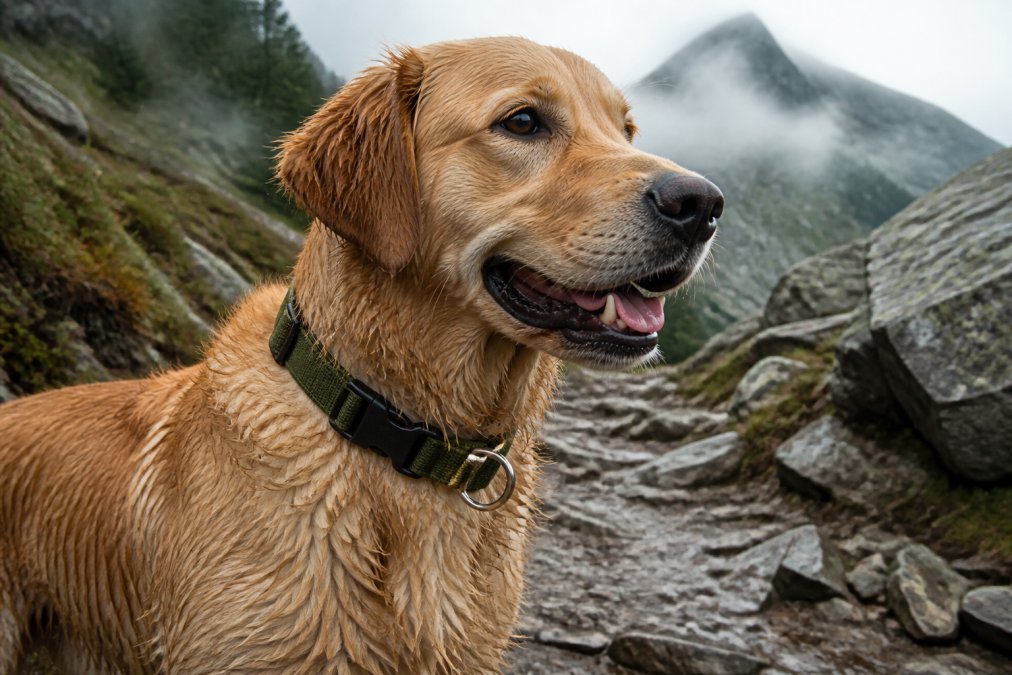
Hardware Quality and Rust Resistance
The hardware on a waterproof dog collar is where most budget options fail. Cheap buckles corrode quickly, D-rings bend or snap under tension, and fasteners rust within weeks of exposure to moisture. Look for collars with stainless steel or powder-coated metal hardware that resists corrosion even after repeated water exposure.
Rust-proof hardware isn't just an aesthetic concern. A corroded D-ring won't hold securely when you're clipping a leash, and a failing buckle can come undone on the trail. Test the hardware by checking for smooth edges, secure riveting, and weight, quality hardware feels substantial and moves without rattling. The best collars use military-grade stainless steel or anodized aluminum that maintains integrity through hundreds of trail miles.
Material Durability and Quick-Dry Properties
Synthetic materials like Biothane and reinforced nylon dominate the waterproof collar market for good reason. Unlike traditional leather, which absorbs water and takes days to dry, synthetic webbing sheds moisture instantly and resists mold and mildew growth (peer-reviewed research). Quick-dry properties matter because wet collars left in a backpack or car become breeding grounds for odor-causing bacteria.
Biothane specifically offers superior durability compared to standard nylon (peer-reviewed research). It's non-porous, meaning water sits on the surface rather than soaking through, and it won't crack or deteriorate under UV exposure. When evaluating waterproof dog collars, check the material thickness and weave density, thicker webbing (1.5 inches or wider) distributes pressure more evenly and resists chafing better than thin, flimsy alternatives.
Sizing, Adjustability, and Secure Fit
A collar that slips off mid-hike defeats the entire purpose of investing in quality gear. Look for waterproof dog collars with multiple adjustment points and a sizing range that accommodates your dog's actual neck measurement plus one finger of clearance. Collars with ladder-lock buckles or side-release clasps stay adjusted better than simple slip-through designs.
The secure fit also prevents chafing. A collar that's too loose slides and rubs; one that's too tight restricts movement and causes discomfort. Premium collars often feature padding or soft inner linings that reduce friction even during extended wear. Test the adjustability by ensuring you can tighten or loosen the collar without removing it entirely, this matters when your dog's coat is wet and you need quick adjustments on the trail.
BioThane Dog Collar Benefits for Outdoor Adventures
Biothane has become the industry standard for serious hiking gear because it solves problems that traditional materials create. Unlike nylon webbing, which absorbs water and becomes heavy and slow-drying, Biothane repels moisture completely. Unlike leather, which cracks, hardens, and eventually deteriorates in wet conditions, Biothane remains flexible and maintains its structural integrity through years of trail use.
The BioThane dog collar benefits extend beyond water resistance. The material is anti-microbial, meaning it naturally resists the bacteria and fungi that cause odor in wet gear. After a muddy hike, a Biothane collar rinses clean in seconds and dries completely within minutes. It won't harbor the musty smell that plagues fabric collars after a day in the field.
For active dogs, Biothane also offers superior strength-to-weight ratio. It's significantly lighter than heavy nylon or leather yet provides tensile strength that rivals much thicker materials. Dogs wearing Biothane collars don't experience the neck fatigue or chafing associated with heavier alternatives. The material's flexibility means the collar conforms to your dog's neck shape rather than imposing a rigid structure that causes pressure points.
How to Clean Waterproof Dog Gear After Hiking
Proper maintenance extends the life of any waterproof dog collar, even the most durable ones. After a muddy hike, rinse the collar under running water to remove visible dirt and debris. Use a soft brush or cloth to gently scrub any stubborn mud, paying special attention to the areas around the buckle and D-ring where dirt accumulates.
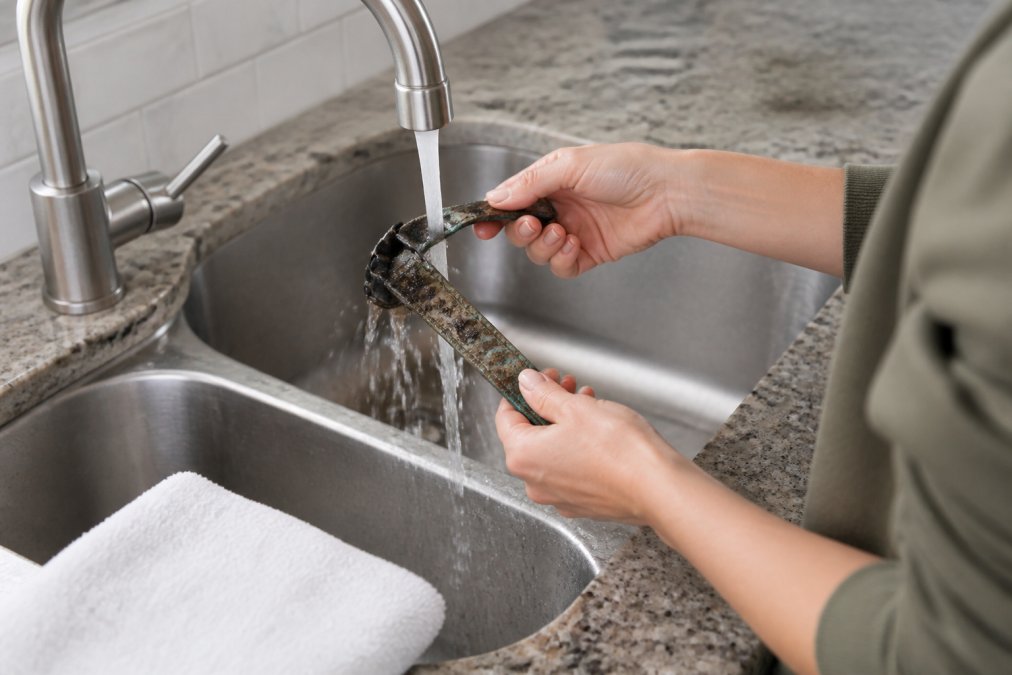
For collars with stubborn stains or odor, a mild soap solution works well. Mix a few drops of pet-safe dish soap with lukewarm water, dip a cloth in the solution, and wipe the collar thoroughly. Rinse again under clean running water until all soap residue is gone. Avoid harsh chemicals or bleach, which can degrade synthetic materials and damage hardware finishes.
Maintenance Tips for Hardware Integrity
The hardware requires separate attention during cleaning. Even rust-proof hardware benefits from occasional inspection and care. After rinsing the collar, use a dry cloth to wipe down all metal components, paying special attention to hinges, rivets, and the D-ring. This removes any mineral deposits from hard water that can accumulate over time.
Inspect the hardware monthly for signs of wear. Check that the buckle opens and closes smoothly, that the D-ring is firmly attached and doesn't wiggle, and that all rivets remain tight. If you notice any corrosion (a white or green discoloration on stainless steel), gently scrub with a soft brush and a small amount of white vinegar, then rinse and dry immediately. For collars used in saltwater environments, rinse with fresh water after every use to prevent salt buildup.
Store the collar in a dry location. Even waterproof gear benefits from air circulation during storage. Never store a damp collar in a sealed bag or closed container, as this can trap moisture and promote mold growth on the webbing or around hardware joints.
Material Comparison: Biothane vs. Nylon vs. Leather
Each material has distinct advantages and limitations for hiking collars. Understanding the differences helps you choose the right waterproof dog collar for your specific needs and environment.
| Material | Water Absorption | Drying Speed | Durability | Odor Resistance | Best For |
|---|---|---|---|---|---|
| Biothane | Zero (non-porous) | 2-5 minutes | 5-7+ years | Excellent (anti-microbial) | Serious trail use, frequent water exposure |
| Nylon | High (absorbs moisture) | 4-8 hours | 1-3 years | Poor (retains odor) | Casual day hikes, dry climates |
| Leather | Very high (soaks through) | 12-24+ hours | 2-4 years | Poor (develops musty smell) | Light use, aesthetic preference |
Biothane dominates for waterproof dog collars because it excels in every category relevant to hiking. It doesn't absorb water, dries almost instantly, and resists the bacterial growth that creates odor. The material's non-porous surface means mud rinses away completely without leaving residue or stains (peer-reviewed research).
Nylon remains popular for budget-conscious buyers, but it has significant drawbacks for waterproof applications. While some nylon is treated with water-repellent coatings, the webbing still absorbs moisture at the core. A wet nylon collar takes hours to dry, during which time bacteria colonize the damp fibers. The smell develops quickly and persists even after washing.
Leather collars appeal to owners who prioritize aesthetics over function. Leather is beautiful and comfortable, but it's the worst choice for waterproof dog collars. The material absorbs water like a sponge, takes days to dry completely, and develops a permanent musty odor after a few wet hikes. Leather also hardens as it dries, which can cause chafing. For serious hiking, leather is impractical.
Waterproof Dog Collars with GPS and Reflective Features
Modern waterproof dog collars often integrate safety features beyond basic water resistance. GPS-enabled collars let you track your dog's location in real time, which adds a crucial safety layer during off-leash hiking or if your dog bolts after wildlife.
When choosing a GPS collar, prioritize models designed for outdoor durability. The best options use Biothane webbing to protect the GPS module from moisture, with sealed compartments for the battery and electronics. Look for collars with at least 48-72 hours of battery life between charges, enough for a multi-day hiking trip without needing to recharge mid-adventure.
Reflective features are equally important. Reflective stitching or embedded reflective strips make your dog visible to other hikers and hunters, especially during early morning or late evening hikes. High-quality waterproof dog collars use reflective material that remains visible even when wet, unlike some cheaper alternatives where reflectivity diminishes when the collar gets damp.
The combination of GPS tracking and reflective visibility creates redundant safety systems. If your dog gets lost, the GPS provides location data. If your dog is simply hard to spot in dense brush or low light, the reflective elements make them visible to you and others on the trail.
Durability Testing and Skin Sensitivity Considerations
Truly durable waterproof dog collars undergo rigorous field testing before reaching consumers. Look for brands that publish their testing protocols or offer detailed durability information.
Skin sensitivity is an often-overlooked factor in collar selection. Some dogs develop allergies or sensitivities to certain synthetic materials or dyes. Signs include redness, itching, or hair loss around the collar area. Biothane collars generally have lower allergy rates than nylon because they're non-porous and don't trap sweat or bacteria against the skin. However, individual dogs may react differently.
Before committing to a full-size collar, consider testing it on your dog for shorter periods. Watch for signs of irritation during and after wear. Some dogs need a break between collar sessions to allow their skin to breathe. If your dog has a history of skin sensitivity, choose collars made from hypoallergenic materials and consider leaving the collar off for a few hours each day, even during hiking season.
The hardware can also cause sensitivity issues. Stainless steel is generally safe, but some dogs react to nickel content in certain alloys. If your dog shows signs of irritation specifically around the buckle or D-ring area, try a collar with different hardware composition.
Conclusion
Choosing the right waterproof dog collar for hiking means prioritizing durability, hardware integrity, and materials that actually resist moisture rather than just repel it on the surface. Biothane collars stand out because they combine zero water absorption, instant drying, and natural odor resistance, features that nylon and leather simply cannot match.
At Proudpetshop, we understand that serious hikers need gear they can trust. Our waterproof dog collars are selected for trail durability, backed by a 30-day satisfaction guarantee, and priced fairly without inflated markups. Whether you're tackling day hikes or multi-day backcountry trips, invest in a collar that will outlast your dog's enthusiasm for the trail. Browse our Adventure & Safety collection to find the right fit, and get free shipping on orders over $50.
Frequently Asked Questions
Q: What is the best material for a waterproof dog collar?
A: BioThane and synthetic webbing are the top choices for waterproof dog collars. BioThane is non-porous, quick-drying, and naturally odor-resistant, making it ideal for active dogs and hiking. Nylon with waterproof coating offers affordability and reflective options. Leather, while traditional, requires more maintenance to stay waterproof. For trail use, synthetic materials outperform leather due to faster drying and anti-microbial properties that prevent odor buildup after wet conditions.
Q: Are BioThane dog collars actually waterproof?
A: Yes, BioThane collars are fully waterproof because the material is non-porous and doesn't absorb water. Unlike nylon or leather, BioThane won't retain moisture, odors, or bacteria. It dries quickly after swimming or rain, making it one of the most reliable waterproof dog collar options for hiking and water activities. The material maintains its integrity even with repeated exposure to wet conditions and requires minimal maintenance.
Q: How do you clean a waterproof dog collar after a hike?
A: Rinse your waterproof dog collar with fresh water immediately after hiking to remove mud, dirt, and debris. For BioThane collars, use mild soap and warm water if needed, then pat dry with a towel. Check the hardware (buckles and D-rings) for corrosion or debris and wipe dry. Air dry completely before storing. For collars with reflective strips or GPS trackers, avoid submerging electronics and wipe gently instead. Regular cleaning extends the life of your gear and prevents odor.
Q: What features should I look for in a hiking dog collar?
A: Prioritize rust-proof hardware, adjustable sizing for a secure fit, and quick-dry materials like BioThane or synthetic webbing. Reflective strips improve visibility on trails, while D-rings should be securely welded to prevent failure. Consider GPS tracker compatibility if you hike off-trail or in remote areas. Anti-microbial properties reduce odor buildup, and UV-resistant materials prevent fading. Test the collar's tensile strength and ensure hardware integrity before long hikes.
This article was written using GrandRanker