
Table of Contents
- Measure Your Narrow Windowsill Before Buying
- Understanding Cat Window Hammock Weight Capacity
- Suction Cup Cat Window Perch: Attachment and Stability
- How to Install a Cat Window Hammock Safely
- Materials and Comfort: What Your Cat Actually Needs
- Window and Surface Compatibility
- Long-Term Safety Inspection and Maintenance
- Frequently Asked Questions
Last Updated: October 10, 2026
Measure Your Narrow Windowsill Before Buying
Choosing the right cat hammock narrow windowsill starts with accurate measurements. Most pet owners skip this step and end up with a perch that doesn't fit or feels unstable. Taking five minutes to measure prevents frustration and wasted money.
Measure three key dimensions before shopping for your cat window hammock. First, measure the width of your windowsill from edge to edge. Second, measure the depth (how far the sill extends from the window frame into your room).
Use a flexible tape measure for accuracy. Write down all three measurements. Most narrow windowsills measure between 3 and 6 inches deep, which limits your options significantly.
Check your window surface too. Run your hand across the glass. Look for any cracks, chips, or rough spots. Suction cups need smooth, clean glass to grip properly. If your window is textured or frosted, a traditional suction-cup hammock won't work well.
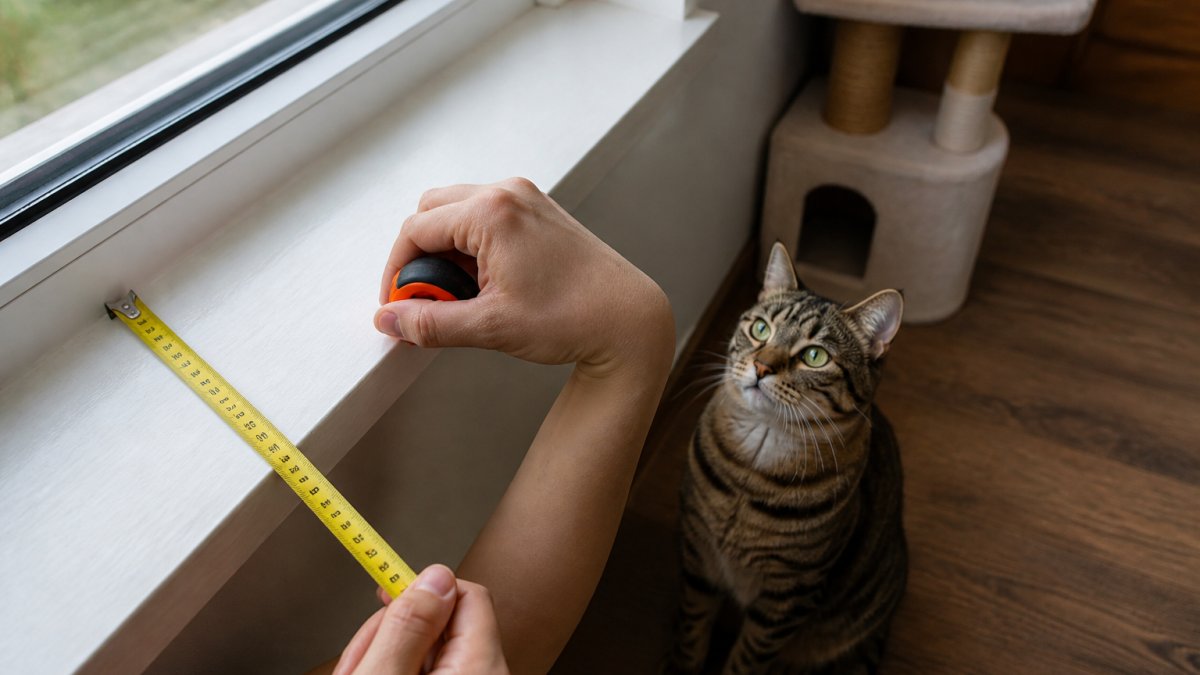
Document the exact usable space. Some hammocks look compact in photos but need 2 inches of depth minimum. Narrow windowsills under 4 inches deep eliminate many standard options. This measurement determines whether you can use a traditional perch or need a specialized narrow-sill design.
Understanding Cat Window Hammock Weight Capacity
Weight capacity matters far more than most pet owners realize. A hammock rated for 30 pounds may feel wobbly with a 25-pound cat because weight distribution and dynamic movement stress the mounting system differently than static load testing.
Your cat's actual weight should stay 20 percent below the stated maximum capacity. If your cat weighs 15 pounds, choose a hammock rated for at least 18 pounds of safe working load. This safety margin accounts for jumping, shifting positions, and the stress of suction cups holding weight at an angle.
Larger cats and senior cats need extra consideration. Older cats move more carefully and deliberately, but they also rest longer in one spot. Extended weight on a single mounting point stresses suction cups more than a younger cat's movement would. Senior cats benefit from higher weight-capacity perches even if they weigh less.
Check the manufacturer's weight rating honestly. Some brands inflate their numbers. Look for specifications that break down maximum weight versus safe working weight. The Proud Pet Shop Sunspot Perch supports up to 44 pounds, while the Skyview Lounge is rated for 30 pounds. These differences matter when choosing between products.

Multiple cats sharing one hammock requires doubling your safety calculation. Two 10-pound cats weigh 20 pounds combined, but their movement creates dynamic forces that exceed static weight. Most narrow-sill hammocks aren't designed for multiple cats anyway.
Suction Cup Cat Window Perch: Attachment and Stability
Suction cups are the attachment method that makes narrow windowsill hammocks practical. They require no drilling, no permanent damage, and work on any smooth glass surface. Understanding how they work prevents installation failures and keeps your cat safe.
Suction cups create a vacuum seal against glass. The seal strength depends on three factors: cup size, glass surface quality, and atmospheric pressure. Larger cups provide stronger grip. Smooth glass creates better seals than textured surfaces. Higher atmospheric pressure (which varies by weather and altitude) affects holding power slightly.
Double-check the number of suction cups before buying. A cat hammock narrow windowsill should use at least two suction cups, ideally four for maximum stability. Two cups work for lighter cats under 15 pounds. Four cups provide safety margin for heavier cats and prevent tilting.
The Proud Pet Shop Sunspot Perch uses sturdy suction cups rated for 44 pounds total capacity. The Skyview Lounge includes four high-strength suction cups designed to prevent tilting and movement. Both models use secure mounting systems that resist deformation from sun exposure and temperature changes.

How to Install a Cat Window Hammock Safely
Installation takes 10 minutes if you follow the right steps. Rushing through setup creates safety risks that could injure your cat. Take your time and verify stability at each stage.
Preparing the Glass Surface
Clean your window glass thoroughly before attaching anything. Dust, pollen, and residue prevent suction cups from creating a proper seal. Use warm water and a microfiber cloth. For stubborn spots, use a 50-50 vinegar-and-water solution. Dry completely with a clean cloth.
Avoid commercial glass cleaners that leave residue. The waxy coating interferes with suction-cup grip. If your window has film or protective coating, test one suction cup first to confirm it will hold.
Let the glass dry completely. Wet glass prevents vacuum formation. Wait 10 minutes after cleaning before proceeding.
Attaching the Suction Cups Correctly
Position the hammock at eye level with your cat sitting on the ground. This height gives your cat a clear view outside while keeping the perch stable. Avoid mounting too high, which creates awkward angles and stresses the suction cups unevenly.
Press each suction cup firmly against the glass with a slight twisting motion. This helps remove air pockets and creates a stronger seal. Hold pressure for 5 seconds. You should hear or feel a subtle "pop" as the vacuum forms.
Check that all cups are seated evenly. If one cup sits proud of the glass while others are flush, the mounting will be unbalanced and unstable. Reseat any cup that doesn't feel right.
Testing Stability Before Your Cat Uses It
Before your cat jumps onto the hammock, apply significant downward pressure to the center of the perch. Push down with 20 pounds of force (roughly your cat's weight if you have a medium cat). Hold for 10 seconds. The hammock should not move, tilt, or shift.
Walk away and observe the perch for 5 minutes without touching it. Watch for any slow movement or sagging. If the perch drifts even slightly, the suction cups aren't sealed properly. Remove it, clean the glass again, and reinstall.
Introduce your cat gradually. Sit near the window and encourage your cat to jump up while you're present. Don't force the interaction. Let your cat explore at their own pace. Stay nearby for the first few uses to catch any unexpected movement.
Proud Pet Shop Sunspot Perch →
Materials and Comfort: What Your Cat Actually Needs
Fabric quality directly affects how long your cat will use the hammock and how long the hammock will last. Cheap polyester fabric tears easily, absorbs odor, and doesn't wash well. Quality materials make cleaning simple and keep the perch fresh-smelling.
Water-resistant fabric prevents moisture damage and odor buildup. Cats spend hours in the sun warming up, which creates condensation on the glass. Fabric that repels water stays dry and hygienic. The Sunspot Perch uses quick-drying, water-resistant fabric that handles spills and rainy windows without developing mildew.
UV-resistant material matters if your window gets direct sunlight. Sun exposure fades and weakens unprotected fabric. Over months, cheap fabric becomes brittle and tears from normal cat movement. UV-resistant materials maintain their strength and appearance year-round.
Soft fabric creates comfort that keeps your cat using the perch. Rough or thin materials feel uncomfortable and your cat will avoid them. Look for cushioned or padded surfaces. Cats spend 12-16 hours sleeping daily, so comfort is essential for adoption of the perch.
Washability matters for long-term use. Removable covers you can hand-wash are ideal. If the cover isn't removable, check whether the entire perch can be wiped down easily. Spot-cleaning with a damp cloth should remove most marks without damaging the fabric.
Window and Surface Compatibility
Not all windows work with suction-cup hammocks. Understanding your window type prevents buying a product that won't install properly.
Single-pane glass works perfectly with suction cups. Double-pane and triple-pane windows also work well. Tempered glass (common in bathrooms and some newer homes) works fine. Frosted or textured glass prevents suction cups from sealing. If your window is frosted, a suction-cup hammock won't stay secure.
Window frames matter too.
Check for window treatments. Heavy curtains or blinds can interfere with the hammock, especially on narrow windowsills where space is tight. You may need to remove treatments or mount the hammock to a different window.
Storm windows create problems. The gap between storm and interior windows is usually too narrow for a hammock to fit. Interior windows work better for narrow-sill installations.
Test your specific window before committing. Buy a single suction cup and test it on your glass. If it holds firmly for 24 hours, your window is compatible. This simple test saves frustration and prevents purchasing mistakes.
Long-Term Safety Inspection and Maintenance
Suction cups lose grip gradually over weeks and months. Regular inspection prevents accidents. Check your cat's hammock weekly by applying downward pressure. If the perch moves more than a quarter inch, the suction cups need reseating or replacement.
Clean suction cups monthly. Dust and mineral deposits reduce grip strength. Soak cups in warm water for 5 minutes, then wipe dry with a microfiber cloth. Reapply to the glass with the same twisting motion used during initial installation.
Inspect the fabric for wear. Look for fraying edges, thin spots, or tears. Small tears grow quickly with cat claws and movement. Repair minor damage immediately with a fabric patch kit. Replace the hammock if damage is extensive.
Check mounting hardware quarterly. Look for rust on metal components, especially if your window gets morning sun and moisture. Wipe metal parts dry after humid days. Replace any corroded hardware.
Watch for seasonal changes. Temperature swings affect glass and suction-cup grip. Winter cold and summer heat both stress the seal. Check more frequently during extreme temperature seasons.
Replace suction cups if they show signs of wear. Cups that don't seal properly create safety hazards.
Keep a maintenance log. Note the date of installation, when you last cleaned cups, and any repairs made. This simple record helps you stay on schedule and catch problems early.
Choosing the right cat hammock for a narrow windowsill protects your cat while creating a comfortable retreat they'll love. At Proudpetshop, we offer two excellent options: the Sunspot Perch ($24.99) for smaller cats and standard windowsills, and the Skyview Lounge ($54.99) for larger cats and maximum stability.
Frequently Asked Questions
How wide does a windowsill need to be for a cat hammock?
Most cat window hammocks require a minimum sill width of 5-7 inches to accommodate the mounting hardware and provide stable seating. Before buying, measure your sill depth from the wall to the glass edge and the width at the widest point. Narrow windowsills under 5 inches may not support standard suction-cup models. Check the product specifications for exact minimum dimensions to ensure your cat hammock fits securely without overhang.
How much weight should a cat window hammock support?
A quality cat window hammock should support at least 30 lbs for average cats. Larger or senior cats benefit from models rated for 40+ lbs, like the Proud Pet Shop Sunspot Perch, which holds up to 44 lbs. Always choose a hammock with a weight capacity 10-15 lbs above your cat's actual weight to ensure a safety margin. This prevents gradual sagging and maintains stability over time, especially if your cat jumps or shifts position frequently.
Are suction-cup or clamp-mounted cat window hammocks better?
Suction-cup models are a great choice for most narrow windowsills because they require no drilling, work on smooth glass, and are rental-friendly. They mount in minutes without tools. Clamp-mounted options provide permanent installation but take up more mounting space and may not fit tight sills. For narrow windows, suction cups offer flexibility and ease of removal. Ensure the cups are high-strength and test them with a heavy object before letting your cat use the hammock.
How can you keep a cat hammock stable on a narrow windowsill?
Stability on narrow sills depends on clean glass, proper suction-cup placement, and weight distribution. Clean the window thoroughly before mounting to maximize suction grip. Position the hammock centered on the sill to avoid tilting. After installation, perform a load test by pressing down firmly with your hand or placing a heavy object in the hammock for 5-10 minutes. Check weekly for any signs of sagging or cup slippage, especially in humid conditions or direct sunlight.