
Table of Contents
- 1. Schedule Regular Senior Dog Veterinary Checkups
- 2. Optimize Senior Dog Nutrition for Aging Bodies
- 3. Manage Weight and Portion Control
- 4. Provide Gentle, Low-Impact Senior Dog Exercise Needs
- 5. Maintain Dental and Oral Hygiene
- 6. Recognize Signs of Pain in Senior Dogs and Act Quickly
- 7. Create a Comfortable Rest Environment and Daily Routine
- Frequently Asked Questions
Last Updated: October 18, 2026
1. Schedule Regular Senior Dog Veterinary Checkups
Most vets recommend checkups every six months for dogs over seven, versus annual visits for younger animals, making daily care tips for senior dog health easier to implement when age-related conditions are caught early.
Your vet will monitor weight, dental disease, mobility, and organ function. Blood work grows more important with age, revealing kidney disease or thyroid dysfunction before symptoms appear.
Checkups also let you raise behavior changes, appetite shifts, or signs of pain so your vet can adjust diet, exercise, or medication. Prevention saves money and suffering compared to treating advanced conditions.
2. Optimize Senior Dog Nutrition for Aging Bodies
Older dogs have slower metabolisms, less muscle mass, and less efficient digestion.
Look for foods formulated specifically for senior dogs. These typically contain glucosamine and chondroitin to support joint health, and omega-3 fatty acids to reduce inflammation.
Some senior dogs develop dental problems that make chewing difficult, so softer kibble or wet food helps; others need easily digestible options.
Hydration is often overlooked. Senior dogs sometimes drink less, raising kidney risk. Keep fresh water available and consider adding water to dry food.
3. Manage Weight and Portion Control
Excess weight accelerates aging, stressing joints, raising diabetes and heart disease risk, and reducing mobility. Lean senior dogs typically live and stay active longer.
Measure portions with a cup or scale rather than eyeballing; bag guides are often too generous, and most senior dogs need fewer calories than the label suggests.
Treats add up quickly. If you give treats, reduce the main meal proportionally. Many owners don't realize that training treats or table scraps can account for 30% of a dog's daily calories.
The Proud Pet Shop Automatic Feeder can help manage portion control precisely. It dispenses up to four meals daily with adjustable portions, making it easier to maintain consistent feeding schedules and prevent overeating. This is especially useful for multi-pet households where one dog eats faster than another.

4. Provide Gentle, Low-Impact Senior Dog Exercise Needs
Senior dogs still need daily activity, but high-impact exercise like jumping or running on hard surfaces aggravates arthritis.
Shorter walks, more frequently, often work better than one long walk. A 15-minute walk three times daily may be better tolerated than a single 45-minute outing.
Watch for fatigue or limping; if your dog struggles, shorten the distance or slow the pace.
Consistency matters more than intensity: a daily 20-minute walk beats sporadic longer outings, keeping muscles strong and joints mobile.
5. Maintain Dental and Oral Hygiene
Dental disease is one of the most common senior dog health problems, yet it's preventable, a key part of daily care tips for senior dog health.
Daily tooth brushing is ideal, but many owners find it challenging. The Proud Pet Shop Dental Care Kit makes this easier with disposable finger covers and cleaning wipes that require no rinsing.
Proud Pet Shop Dental Care Kit →

Professional dental cleanings by your vet are also important. These remove tartar buildup that brushing alone can't address.
Bad breath, difficulty eating, drooling, or pawing at the mouth warrant a vet visit; catching dental issues early prevents pain and complications.
6. Recognize Signs of Pain in Senior Dogs and Act Quickly
Senior dogs often hide pain until it becomes severe, so learning to recognize subtle signs of pain in senior dogs helps you intervene early.
Behavioral changes can signal pain too: a social dog that withdraws or becomes irritable may be uncomfortable, and appetite, sleep, or house-training changes sometimes indicate pain rather than behavior problems.
Watch gait and posture: hunching, reluctance to use a back leg, or favoring one side suggest discomfort, and some dogs whimper when touched in a painful area.
Normal Aging vs. a Reason to Call the Vet
The hardest part of senior-dog care is knowing which changes are simply age and which need a phone call today. A useful rule of thumb most practitioners use: slow, symmetrical changes that have been creeping in for weeks are usually age-related and can wait for a scheduled visit; sudden, one-sided, or rapidly worsening changes need prompt attention.
| What you see | Usually age-related | Call the vet promptly |
|---|---|---|
| Stiffness after rest | Improves within a few minutes of moving | Lasts all day or worsens over days |
| Slower walks | Gradual over months, dog still willing | Sudden refusal to walk or collapse |
| Occasional accident | Rare, linked to long naps | New, frequent, or straining to urinate |
| Appetite | Slightly pickier, still eating | Skips two or more meals in a row |
| Sleep | More daytime napping | Pacing, restlessness, or crying at night |
A Simple Daily Pain Check
A two-minute check each morning catches trends before they become crises. Run your hands gently down each leg and along the spine, watch your dog rise from its bed, and note the first few steps. Score what you see on a simple 0-3 scale (0 = normal, 3 = clearly painful or unwilling) and jot it in a notebook or phone note.
Tracking Tools That Make Vet Visits More Useful
Vets work from patterns, not single observations. Keep a lightweight log with five columns, date, appetite, water intake, mobility score, and sleep quality, and bring it to every appointment. Owners who track consistently often spot a slow decline weeks before it would otherwise be noticed, and the log turns a vague "he seems off" into a concrete timeline your vet can act on. Free phone notes apps work fine; a paper calendar by the food bowl works just as well.
Medication and Supplement Management
Many senior dogs take daily medication for arthritis, thyroid, heart, or kidney issues, and missed or doubled doses are a common and preventable problem. Use a weekly pill organizer, keep a written list of every medication and supplement with the dose and time, and set phone alarms.
Pain management options include medication, physical therapy, joint supplements, and supportive bedding. Early treatment often prevents pain from worsening and keeps your dog active and comfortable.
7. Create a Comfortable Rest Environment and Daily Routine
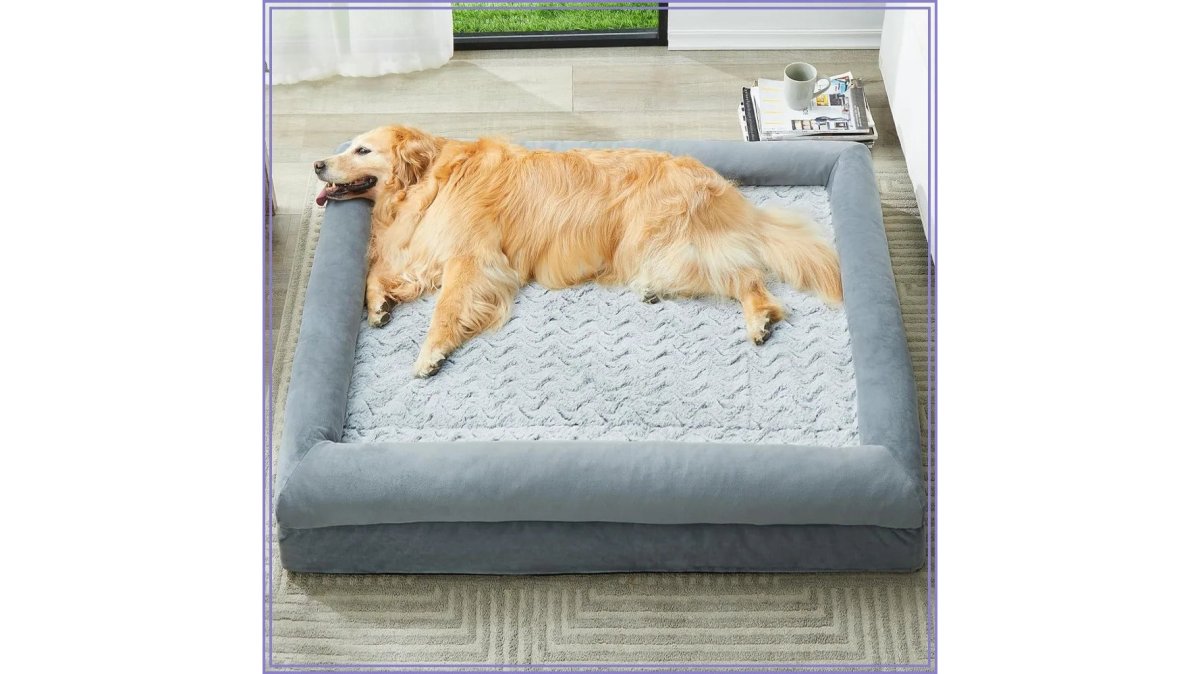
Senior dogs spend more time resting than younger ones, so their sleeping space matters. A supportive bed reduces pressure on joints and improves comfort.
| Daily Care Element | Frequency | Why It Matters |
|---|---|---|
| Veterinary checkups | Every 6 months | Early detection of health issues |
| Tooth brushing or dental care | Daily | Prevents dental disease and systemic infection |
| Gentle exercise | Daily, split into 2-3 sessions | Maintains muscle and joint mobility |
| Meal portions | Measured at each feeding | Prevents obesity-related complications |
| Pain and mobility check | Daily observation | Catches discomfort early for treatment |
| Rest environment check | Weekly | Ensures comfort and safety |
| Weight monitoring | Monthly | Tracks trends that indicate health changes |
Frequently Asked Questions
How often should a senior dog see the veterinarian?
Senior dogs benefit from veterinary checkups at least twice yearly, or more frequently if they have existing health conditions. Regular visits catch age-related issues early, monitor chronic conditions, and adjust medications or nutrition as needed. Your vet can track changes in weight, mobility, appetite, and behavior that signal problems requiring prompt intervention.

What should I feed my senior dog each day?
Senior dogs need high-quality, easily digestible food formulated for their age and activity level. Look for recipes with adequate protein to maintain muscle mass, balanced calories to prevent weight gain, and added joint support ingredients like glucosamine. Portion control matters, your vet can recommend daily amounts based on your dog's weight, metabolism, and any health conditions. An automatic feeder like the Proud Pet Shop Automatic Feeder helps maintain consistent meal timing and portion sizes.
What are the signs that my dog is in pain?
Pain signs in senior dogs include limping, stiffness after rest, reluctance to jump or climb stairs, whimpering, reduced activity, and changes in posture or gait. Some dogs become withdrawn, lose appetite, or show behavioral changes like irritability. Watch for difficulty rising from sleep, favoring one leg, or reluctance to play. Any sudden change warrants a veterinary visit to rule out arthritis, injury, or other conditions.
How long of a walk does a senior dog need?
Senior dogs typically need 20-30 minutes of gentle, low-impact exercise daily, adjusted for individual fitness and health. Shorter, frequent walks are often better than one long outing. Swimming or walking on soft surfaces reduces joint stress. Monitor your dog's energy and mobility, some days they may need less activity. The goal is maintaining muscle tone and mental stimulation without overexertion or pain.
Why is dental care important for senior dogs?
Dental disease is one of the most common health issues in older dogs and can lead to pain, tooth loss, and systemic infections affecting the heart and kidneys. Daily dental maintenance prevents plaque buildup and gum disease. The Proud Pet Shop Dental Care Kit ($22.99) uses disposable finger covers and cleaning wipes to make daily dental care simple and stress-free, supporting long-term oral health without complex tools or rinsing.