
Table of Contents
- New Rescue Dog Checklist: What to Buy Before Bringing Your Dog Home
- How to Prepare for a Rescue Dog: Food, Water, and Feeding Supplies
- Sleep, Safety, and Comfort: Beds, Crates, and Calming Essentials
- Best Harness for a Rescue Dog: Walking Gear and Identification
- How to Acclimate a Rescue Dog to a New Home: Toys and Enrichment
- Grooming and Health Supplies for Your First Rescue Dog
- Travel and Vehicle Safety Gear for Rescue Dogs
- Frequently Asked Questions
Last Updated: October 10, 2026
New Rescue Dog Checklist: What to Buy Before Bringing Your Dog Home
Bringing a rescue dog home requires preparation, and understanding the essential supplies for first time rescue dog owners is the first step. Your new companion arrives with uncertainty and zero familiarity with your home. Getting the right supplies beforehand makes the transition smoother for both of you. This guide from Proudpetshop covers the essential supplies for first time rescue dog owners that set the foundation for a successful adoption.
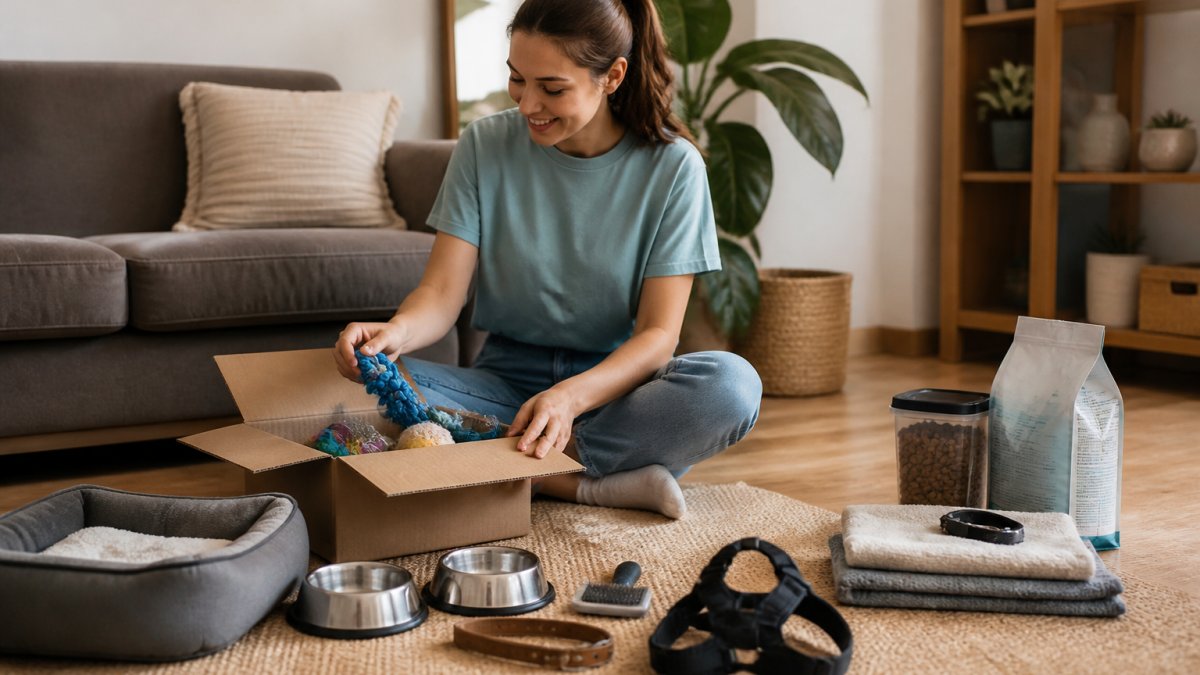
Critical supplies include feeding and hydration, safe sleeping spaces, walking and identification gear, toys and enrichment, and grooming essentials. A focused checklist prevents overwhelm and unnecessary spending.
Before your dog arrives, prioritize items in this order: food and bowls, a safe sleeping space, a collar and leash, and basic toys. Everything else can follow once your dog settles in. Rushing to buy premium versions of everything often leads to waste, rescue dogs may have different preferences than you expect.
| Priority | Item | Why It Matters | Timing |
|---|---|---|---|
| 1 | Food and bowls | Feeding consistency reduces stress | Before arrival |
| 2 | Dog bed or crate | Safe space for decompression | Before arrival |
| 3 | Collar, leash, ID tag | Safety and identification | Before arrival |
| 4 | Basic toys | Mental stimulation and comfort | First week |
| 5 | Grooming supplies | Health and bonding | First month |
How to Prepare for a Rescue Dog: Food, Water, and Feeding Supplies
Your rescue dog's digestive system is stressed by transition. Switching foods too quickly causes stomach upset. Ask the shelter what food the dog ate and stick with that brand for at least two weeks before gradually introducing anything new. Request a small sample to eliminate guesswork and prevent waste.
What to Buy Before Pickup
Choose ceramic or stainless steel bowls, nothing that tips easily. Many rescue dogs eat fast or show anxiety around food. A slow-feeder bowl with raised ridges slows consumption and reduces bloating.
Stock the exact food brand the shelter provided for at least two weeks. Switching food too soon is a top cause of digestive upset in newly adopted dogs.
What to Bring During Transport
Pack a collapsible water bowl and water from the shelter. Bring a small container of current food in case the ride is long. Include paper towels and plastic bags for accidents, this is normal.
What Can Wait Until After Settling In
Treats and specialty foods should wait one to two weeks until you've observed your dog's eating habits and sensitivities.
Managing Food-Related Anxiety
Rescue dogs sometimes display resource guarding, eating too fast or showing tension during meals. This is a trauma response. Feed your dog in a quiet area away from other pets. Use a slow-feeder bowl or hand-feed small portions to build trust. If resource guarding is severe, consult a trainer.
Water Stations and Hydration
Place water bowls in multiple locations to prevent dehydration. Change water twice daily and clean bowls daily. If your dog drinks excessively, mention this to your vet, as it can indicate stress, diabetes, or kidney issues.
Treats and Training Supplies
Stock small, low-calorie training treats, pieces no larger than a pea. Use high-value treats for correct behavior. Aim for treats to make up no more than 10 percent of daily calories.
Sleep, Safety, and Comfort: Beds, Crates, and Calming Essentials
A rescue dog needs a safe space that feels like a den. A proper bed signals that this corner belongs to them alone.
The Proudpetshop Calming Donut Bed ($39.99) uses a raised rim to cradle the head and neck, helping unsettled dogs settle faster. The plush filling retains body heat and encourages deeper sleep. The non-slip base and machine-washable cover simplify care.

If your dog is crate-trained, a crate becomes a safe den. Never force a rescue dog into a crate. Leave the door open, place treats inside, and let them explore at their own pace.
Best Harness for a Rescue Dog: Walking Gear and Identification
A proper harness prevents neck strain and gives you control without choking during walks.
The Proudpetshop No-Pull Adventure Harness ($37.99) redirects pulling force to the chest using a front-clip configuration. The padded chest panel reduces tracheal compression risk. Reflective stitching enhances visibility during evening walks.
A collar, leash, and ID tag are your first line of defense if your dog escapes. Engrave your phone number on the tag, not your dog's name. Consider microchipping as a permanent backup. The Proudpetshop Smart Finder Tag ($34.99) clips onto any collar and sends instant alerts if your dog wanders out of range.
How to Acclimate a Rescue Dog to a New Home: Toys and Enrichment
Toys are tools for mental stimulation and comfort, reducing destructive behavior born from stress.
The Proudpetshop IQ Treat Puzzle ($34.99) converts snack time into active playtime with adjustable difficulty settings. The non-slip base and dishwasher-safe design simplify use and maintenance.

Rotate toys weekly to maintain novelty and keep enrichment fresh without constant purchases.
Rescue dogs often chew from anxiety. Offer appropriate chew outlets like rope toys or natural chews. Never leave unsupervised dogs with toys they can destroy and ingest.
Proud Pet Shop No-Pull Adventure Harness →
Grooming and Health Supplies for Your First Rescue Dog
Grooming is health maintenance and early detection of medical issues. A rescue dog's first grooming experience shapes their attitude toward handling for years. Start gently and with patience.
Before Your Dog Arrives: Health Preparation
Request all available medical records from the shelter. Schedule a veterinary appointment within the first week. Bring documentation and ask about vaccination history, parasite prevention, spay/neuter status, microchip information, and observed health concerns.
Ask the shelter about current parasite prevention, skin conditions, behavior around handling, and known fears. This prevents duplicate treatments and helps your vet establish a baseline.
Essential Grooming Tools and Safe Use
Start with basics: a soft brush, nail clippers or grinder, and ear cleaning supplies. Do not buy a full grooming kit upfront. A matted or neglected coat may need professional grooming first.
Nail Care: Overgrown nails cause pain and alter gait. A nail grinder with an ultra-quiet motor is less stressful than clippers for anxious dogs. Desensitize gradually: let your dog sniff the grinder off, turn it on near them, then touch a single nail for one second. Reward calm behavior. Nails should be trimmed every 3 to 6 weeks.
Brushing and Coat Care: A slicker brush works for most coat types. Brush gently, especially around sensitive areas. Start with short sessions and reward heavily. Do not force a brush through mats, consult a professional groomer for mat removal.
Ear Cleaning: Floppy-eared breeds are prone to infections. Check ears weekly for redness, odor, or discharge. Use a vet-recommended ear cleaning solution and cotton balls, never insert anything into the ear canal. If your dog shows signs of infection (head shaking, scratching, odor), see your vet immediately. Ear infections are common in rescue dogs and are easily treatable if caught early.
Dental Care: Dental disease is one of the most frequent health issues in dogs, often undetected until advanced. Start a dental routine early. A soft-bristled toothbrush and dog-specific toothpaste (never human toothpaste) are the gold standard. Brush teeth 3 to 5 times per week, ideally daily. If your dog resists a toothbrush, use a finger brush or dental wipes.
Bathing: Bathe your dog only when necessary, typically every 4 to 12 weeks depending on coat type and activity. Frequent bathing strips natural oils and dries skin. Use lukewarm water and dog-specific shampoo. Wet the coat thoroughly, apply shampoo, and rinse completely. Leftover shampoo causes itching and irritation.
Handling and Desensitization
Rescue dogs may flinch, freeze, or show stress during grooming. This is normal and does not mean your dog is aggressive, it means they're uncomfortable or have a history of rough handling. Handle paws, ears, and mouth gently and frequently outside of grooming sessions. Pick up a paw, hold it for one second, reward. Lift an ear flap, reward. Open the mouth slightly, reward.
When to Seek Professional Help
If your dog shows severe anxiety, aggression, or pain during grooming, stop and consult a professional groomer or trainer. Some dogs need sedation for nail trims or baths, this is not failure, it's safety. A good groomer has experience with fearful or reactive dogs and can work at your dog's pace.
First Vet Visit Checklist
Bring vaccination records, medication lists, and a list of questions. Discuss:
- Parasite prevention plan (fleas, ticks, heartworm)
- Spay/neuter status and timing if not yet done
- Dietary recommendations based on age, size, and health
- Behavioral concerns or training questions
- Grooming frequency and any coat or skin issues
- Exercise guidelines and activity restrictions
- Emergency care options and after-hours contact information
Your vet is your partner in your rescue dog's long-term health. Build a relationship early and reach out with questions as they arise.
Travel and Vehicle Safety Gear for Rescue Dogs
If your rescue dog travels with you, whether to the vet, on road trips, or to new environments, proper vehicle safety gear protects both your dog and your car's interior.
The Proudpetshop RoadTrip Ride Guard ($34.99) converts standard vehicle seating into a designated safe zone. A non-slip backing secures the cover firmly to factory seats, preventing sliding during acceleration or sudden stops. Multiple built-in storage pockets keep leashes, treat dispensers, and travel essentials accessible on the backrest. The entire cover is machine-washable, making cleanup simple after muddy outings. Dimensions accommodate most small and medium dogs comfortably.

Vehicle safety matters because unsecured dogs become projectiles in sudden stops or collisions.
Bringing home a rescue dog requires thoughtfulness, not expense. Focus on the essentials: proper feeding, a safe sleeping space, walking gear with identification, enrichment toys, and grooming tools. These items create a foundation of safety and comfort that helps your rescue dog transition successfully.
Proudpetshop offers durable, thoughtfully designed products built for real households. Every item comes with a 30-day satisfaction guarantee, free shipping on orders over $50, and transparent pricing with no surprises at checkout. Start with the essentials from Proudpetshop, observe your dog's preferences and behavior during the first month, then add specialized items as you learn what your specific rescue needs. This approach saves money, reduces waste, and gives your dog the best chance to settle in and thrive.
Frequently Asked Questions
What is the 3-3-3 rule for rescue dogs?
The 3-3-3 rule describes rescue dog adjustment: 3 days to decompress and feel overwhelmed, 3 weeks to learn your routine and start relaxing, and 3 months to truly settle in and show their personality. During this transition, essential supplies like a calming bed, safe crate, and enrichment toys help your rescue dog feel secure while they acclimate to their new home and build trust with you.
What supplies should I buy before bringing a rescue dog home?
Prioritize food and water bowls, a bed or crate, a collar and leash, identification tags, dog food, toys, and grooming basics. The Proud Pet Shop Calming Donut Bed ($39.99) helps anxious rescue dogs settle faster, while the No-Pull Adventure Harness ($37.99) provides safe, controlled walks. Start with these essentials, then add enrichment toys and grooming supplies as your dog settles in over the first few weeks.
How long does it take a rescue dog to adjust to a new home?
Most rescue dogs need 3 to 6 months to fully adjust, though some show comfort within weeks. The first few days involve decompression and stress. Consistent routines, a designated safe space like a crate, and calming supplies reduce anxiety during this period. Mental enrichment through puzzle feeders and sniffing mats helps keep your rescue dog engaged and confident as they learn your home.
Should I buy a crate for a newly adopted rescue dog?
Yes, a crate provides a safe den-like space that helps rescue dogs feel secure and aids in house training. Choose an appropriately sized crate and introduce it gradually with positive associations. Pair it with a comfortable bed like the Proud Pet Shop Calming Donut Bed to encourage your rescue dog to view the crate as a refuge rather than confinement, especially during the stressful transition period.
What kind of leash and harness should I get for a rescue dog?
A front-clip harness like the Proud Pet Shop No-Pull Adventure Harness ($37.99) redirects pulling force to the chest rather than the neck, making walks safer and more controlled for rescue dogs who may be anxious or untrained. Front-clip designs prevent tracheal strain and give you better control without choking, making them ideal for rescue dogs still learning to trust their new owner during walks.