
Table of Contents
- Signs of Anxiety in Pets
- What Makes a Calming Pet Bed Effective
- Key Features to Look for in a Calming Pet Bed
- How to Help an Anxious Dog Sleep Better
- Best Calming Dog Bed for Separation Anxiety
- Sizing Your Pet's Calming Bed
- Environmental Factors That Support Calming Bed Effectiveness
- Conclusion
Last Updated: August 25, 2026
Signs of Anxiety in Pets
Pet anxiety manifests in specific, recognizable behaviors that pet owners often mistake for simple restlessness. Common indicators include excessive barking or meowing, destructive behavior like chewing furniture, pacing, whining, and attempts to escape confined spaces (aaha.org). Physical signs include trembling, panting, drooling, or loss of appetite. Separation anxiety specifically triggers panic when owners leave, often resulting in indoor accidents despite house training.
Severity varies from mild anxiety during thunderstorms to constant distress affecting sleep and overall health. Environmental factors like loud noises, routine changes, new pets, or moving can trigger episodes. Some breeds are naturally more prone to anxiety, and senior dogs often develop it as hearing or cognitive function declines. A properly chosen calming pet bed becomes part of a comprehensive approach to helping your pet feel secure.
What Makes a Calming Pet Bed Effective
A calming pet bed works by addressing core needs of anxious pets: security, comfort, and a defined personal space. The most effective designs combine behavioral psychology with practical comfort features that create a nest-like environment.
The bed functions as a physical boundary between your pet and a potentially overwhelming environment. When a dog or cat has a dedicated, enclosed space, it reduces sensory overload and provides a retreat during stressful moments. This sense of containment mimics the comfort of being in a mother's presence, which is why puppies and kittens naturally seek enclosed spaces.
Bolstered Edges and Raised Rims
Bolstered edges are the defining feature of anxiety-reducing pet beds. These raised, cushioned borders provide physical support for the head and neck, allowing your pet to rest while maintaining awareness of their surroundings. This position mirrors natural nesting behavior in the wild, where animals position themselves to watch for threats while remaining protected.
The rim creates a psychological barrier. Anxious pets benefit from knowing they're enclosed on multiple sides, reducing the feeling of exposure. Many pets will rest their head on the bolster while their body remains inside, creating a secure posture that feels protective. The raised rim also prevents drafts and helps retain body heat, supporting deeper sleep.
Donut-Style Design and Nesting Behavior
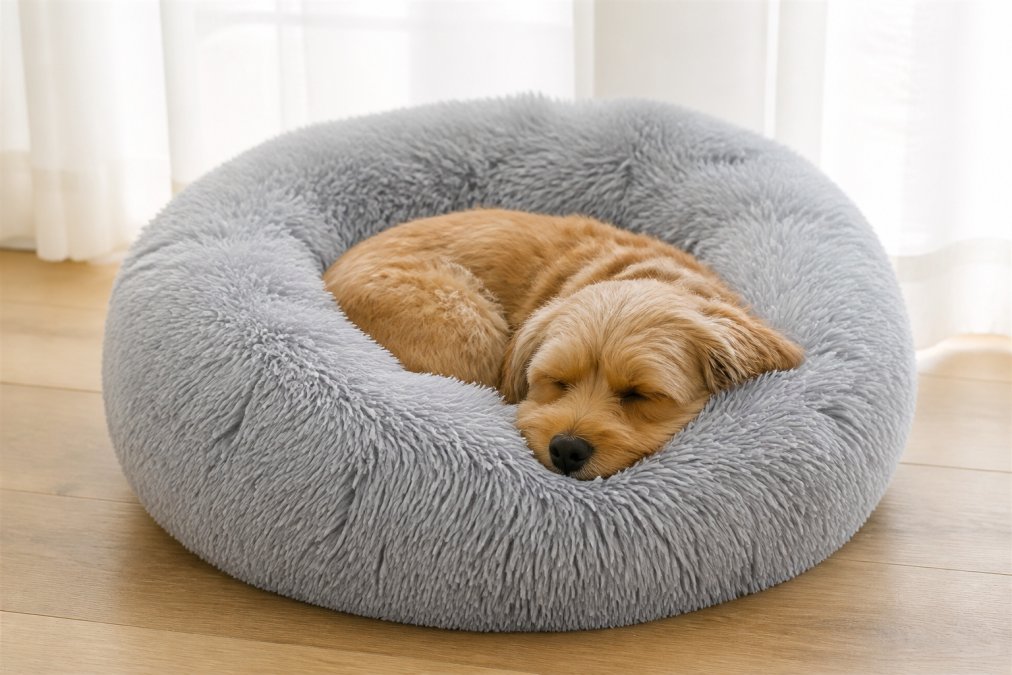
Donut-style beds feature a circular or oval shape with a raised rim all around, creating a complete nest. This design taps into natural nesting behavior. Cats and dogs instinctively seek circular spaces where they can curl up and maintain 360-degree awareness. The donut shape allows pets to position themselves in the center, fully enclosed and supported on all sides.
The circular design eliminates corners and edges that might feel exposed. A pet curled in a donut bed has visual access to their environment while feeling protected. This balance between awareness and security is crucial for managing anxiety. Many owners report that anxious dogs and cats fall asleep faster and sleep longer when given access to a properly sized donut-style calming pet bed.

Key Features to Look for in a Calming Pet Bed
Selecting a calming pet bed requires attention to specific features that directly impact effectiveness and durability.
Materials and Fabric Considerations
Faux fur and plush fabrics are popular because they mimic natural fur and provide a soft, comforting texture that anxious pets find soothing. These materials retain warmth, which supports the self-warming effect that helps calm nervous systems. Look for non-toxic, hypoallergenic fabrics, especially if your pet has sensitive skin or allergies.
Durability matters. Quality faux fur resists pilling and maintains its texture through multiple washings. A sturdy, non-slip base prevents the bed from sliding across floors, which is important for anxious pets that need stability.
Machine Washability and Maintenance
An anxious pet may have accidents or drool excessively during stress episodes. Machine washability is essential. Look for beds with removable, washable covers that can be thrown in a standard washing machine. Some calming beds feature completely removable cushions, allowing you to wash both the cover and the core separately.
Check care instructions carefully. The best options allow regular washing without degrading the fabric or cushioning. Quick-dry materials are valuable, especially for anxious pets that may need the bed available again quickly. Beds that can be vacuumed to remove pet hair stay fresher between washes.
Orthopedic Support and Pressure Relief
Orthopedic support becomes critical for senior anxious pets or those with joint issues. Many anxiety-related behaviors worsen when a pet is physically uncomfortable. A bed with memory foam or high-density cushioning provides pressure relief, supporting proper spinal alignment and reducing pain points.
Orthopedic beds distribute weight evenly, preventing the sagging that occurs with lower-quality foam. Look for at least 3-4 inches of cushioning, with memory foam or orthopedic-grade materials that respond to your pet's body temperature and weight (peer-reviewed research).
How to Help an Anxious Dog Sleep Better
Beyond choosing the right bed, environmental and behavioral strategies amplify the calming effect. Sleep quality directly impacts anxiety levels; a well-rested dog is calmer and more resilient to stress triggers.
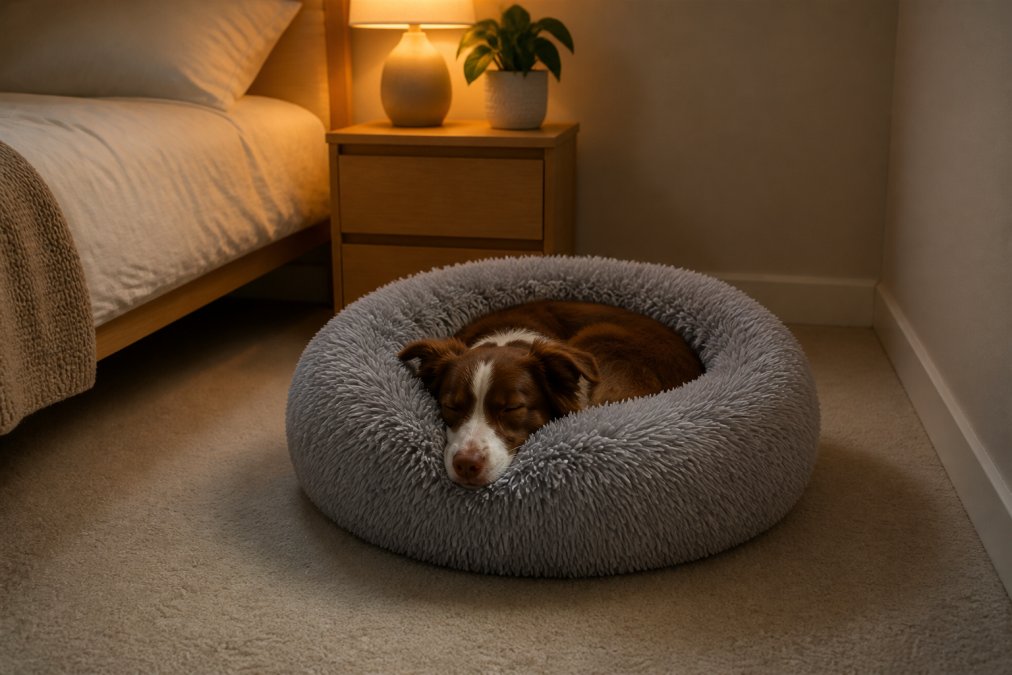
Location is critical. Place the calming pet bed in a quiet corner away from high-traffic areas and noise sources. A bedroom corner, closet, or designated den space works better than a living room. Some anxious dogs sleep better when the bed is in the same room where the owner sleeps, providing reassurance through proximity.
Establish a consistent bedtime routine. Anxious dogs benefit from predictability. Take your dog outside, engage in calm play, and then guide them to their bed at the same time each evening. Consistency reduces uncertainty and helps their nervous system recognize that bedtime is safe and structured.
Consider the room environment. Dim lighting, cool temperatures, and minimal noise support deeper sleep. Some anxious dogs respond well to white noise or calming music designed for pets, which masks sudden sounds that might trigger alertness. Avoid stimulating activities before bed; intense play or training sessions should happen several hours before sleep.
Best Calming Dog Bed for Separation Anxiety
Separation anxiety is one of the most severe forms of pet anxiety, and the right bed plays a specific role in managing it.
The Proud Pet Shop Calming Donut Bed is specifically designed for this purpose. At $39.99, it offers a raised rim that provides the head and neck support anxious dogs crave, along with a plush, non-toxic filling that retains warmth. The donut shape creates the enclosed feeling that separation-anxious dogs need. The machine-washable design accommodates accidents that sometimes occur during separation anxiety episodes. The non-slip base is particularly valuable for anxious dogs that pace frequently.
The Proud Pet Shop Cozy Cabin Den offers an alternative for dogs that prefer enclosed spaces. At $39.99, this house-style bed provides walls that block external stimuli, creating a den-like environment that some anxious dogs find even more comforting than open beds.

Sizing Your Pet's Calming Bed
An incorrectly sized bed undermines its calming effect. A bed that's too small restricts movement and creates stress. A bed that's too large fails to provide the enclosed feeling that reduces anxiety.
Measure your pet in their natural sleeping position. Have your dog lie down in a relaxed posture, then measure from nose to rump and from one side to the other when they're curled up. Add 4-6 inches to each measurement to ensure comfortable movement without excessive empty space.
For weight capacity, select a bed rated for at least 10-15 pounds above your pet's actual weight. This prevents the cushioning from compressing completely, which reduces orthopedic support. Consider growth if you're choosing a bed for a young dog. Your anxious dog should be able to curl up completely, rest their head on the bolster, and stretch out slightly without hanging off the edges.
Environmental Factors That Support Calming Bed Effectiveness
The calming bed itself is one tool in a larger environment. The space around the bed and overall household environment determine whether the bed can deliver its full anxiety-reducing potential.
Temperature regulation matters significantly. A cool room (around 65-68 degrees) supports better sleep and allows the bed's self-warming properties to work effectively (peer-reviewed research). Lighting affects sleep quality and anxiety levels; dim lighting or darkness signals safety and triggers natural sleep cycles. If your anxious dog's bed is in a bright area, consider using blackout curtains or positioning the bed away from direct light sources.
Noise levels directly impact anxiety management. High-noise environments make it difficult for an anxious pet to relax in their bed. If your home is naturally noisy, soundproofing the bed's location or using white noise to mask sudden sounds helps. A bedroom or quiet corner works better than a living room.
Consistency in the environment reduces unpredictability, which is calming for anxious pets. Keep the bed in the same location, maintain consistent routines around bedtime, and minimize sudden changes. When your anxious dog knows exactly where their bed is and what to expect, their nervous system relaxes.
Choosing the right calming pet bed for anxiety requires balancing multiple factors: your pet's size, your home environment, the specific type of anxiety your pet experiences, and the bed's practical features. The Proud Pet Shop Calming Donut Bed and Cozy Cabin Den both deliver the security and comfort anxious pets need, with machine-washable covers and durable construction. Start with the bed that matches your pet's sleeping style, position it in a quiet, consistent location, and pair it with environmental adjustments that reinforce the calming effect. With the right bed and supportive environment, most anxious pets show measurable improvement in sleep quality and stress-related behaviors within the first few weeks.
=== FAQ ANSWERS (audit these too, same rules) ===
[1] Q: What features should I look for in a calming pet bed for anxiety? A: Look for a calming pet bed with bolstered edges or raised rims that create a secure, enclosed feeling. Donut-style designs encourage nesting behavior, which naturally calms anxious pets. Choose machine-washable covers for easy maintenance, non-slip bases to prevent sliding, and orthopedic support for comfort. Self-warming materials or faux fur can add to the soothing effect. The bed should be appropriately sized for your pet to curl up fully while feeling snug and protected.
[2] Q: Do anti-anxiety pet beds really work for separation anxiety? A: Anti-anxiety pet beds can help reduce mild to moderate separation anxiety by providing physical security and comfort. The raised rim and enclosed design mimic the sensation of being held, which lowers stress levels during alone time. However, a best calming dog bed for separation anxiety works best when combined with behavioral training, gradual desensitization, and environmental enrichment. For severe anxiety, consult your veterinarian about additional strategies or professional behavior support.
[3] Q: How do I know if my pet needs a calming bed? A: Signs of anxiety in pets include panting, pacing, destructive behavior, excessive barking, trembling, or difficulty settling during stressful situations like thunderstorms or when left alone. If your pet shows these behaviors, a calming pet bed can provide a safe retreat space. Senior pets also benefit from the orthopedic support and comfort these beds offer. Observe your pet's sleeping habits and stress triggers to determine if a calming bed would help.
[4] Q: What's the best way to introduce my pet to a calming bed? A: Place the bed in a quiet, familiar location where your pet already likes to rest. Make it inviting by adding treats or toys inside. Don't force your pet onto the bed; let them explore at their own pace. Use positive reinforcement when they show interest. For anxious pets, position the bed in a secure corner away from high-traffic areas. Once your pet is comfortable, gradually introduce it during calm moments before using it during stressful situations.
Frequently Asked Questions
What features should I look for in a calming pet bed for anxiety?
Look for a calming pet bed with bolstered edges or raised rims that create a secure, enclosed feeling. Donut-style designs encourage nesting behavior, which naturally calms anxious pets. Choose machine-washable covers for easy maintenance, non-slip bases to prevent sliding, and orthopedic support for comfort. Self-warming materials or faux fur can add to the soothing effect. The bed should be appropriately sized for your pet to curl up fully while feeling snug and protected.
Do anti-anxiety pet beds really work for separation anxiety?
Anti-anxiety pet beds can help reduce mild to moderate separation anxiety by providing physical security and comfort. The raised rim and enclosed design mimic the sensation of being held, which lowers stress levels during alone time. However, a best calming dog bed for separation anxiety works best when combined with behavioral training, gradual desensitization, and environmental enrichment. For severe anxiety, consult your veterinarian about additional strategies or professional behavior support.
How do I know if my pet needs a calming bed?
Signs of anxiety in pets include panting, pacing, destructive behavior, excessive barking, trembling, or difficulty settling during stressful situations like thunderstorms or when left alone. If your pet shows these behaviors, a calming pet bed can provide a safe retreat space. Senior pets also benefit from the orthopedic support and comfort these beds offer. Observe your pet's sleeping habits and stress triggers to determine if a calming bed would help.
What's the best way to introduce my pet to a calming bed?
Place the bed in a quiet, familiar location where your pet already likes to rest. Make it inviting by adding treats or toys inside. Don't force your pet onto the bed; let them explore at their own pace. Use positive reinforcement when they show interest. For anxious pets, position the bed in a secure corner away from high-traffic areas. Once your pet is comfortable, gradually introduce it during calm moments before using it during stressful situations.
This article was written using GrandRanker