
Table of Contents
- Why Dogs Destroy Toys
- Redirecting Destructive Chewing Behavior
- Teaching Drop It and Leave It Commands
- Indestructible Dog Toys for Aggressive Chewers
- Mental Stimulation and Exercise to Reduce Destruction
- Dog Toy Safety Tips and Ingestion Risks
- How to Stop Dog Destroying Toys: Action Plan
Last Updated: August 29, 2026
Why Dogs Destroy Toys
Dogs destroy toys for reasons rooted in natural instincts, emotional needs, and boredom, not spite. Puppies chew to explore their world and manage teething discomfort (avsab.org). Adult dogs chew to relieve stress, burn energy, or satisfy prey drive. Some develop destructive behavior in response to separation anxiety, using toy destruction as a self-soothing outlet.
Soft, squeaky toys trigger predatory instincts in many dogs (avsab.org). The stuffing mimics prey, and the squeaker sounds like a small animal in distress. For aggressive chewers, this combination is irresistible.
At Proudpetshop, we understand the frustration pet owners deal with. The dogs causing the most toy destruction are often the smartest, most active ones. They need mental stimulation and physical outlets that standard toys don't provide. Once you understand the root cause, you can solve the problem instead of cycling through destroyed toys.
Redirecting Destructive Chewing Behavior
Redirecting destructive chewing means teaching your dog what they should chew instead of punishing them for what they shouldn't. You're channeling the urge productively, not stopping it.
Recognize the moment your dog reaches for a toy they're likely to destroy. Calmly remove it and immediately replace it with something appropriate, a rubber toy, rope toy, or toy engineered to withstand aggressive chewing. Timing is critical; if you wait until the toy is shredded, your dog has already experienced the rewarding sensation of destruction.
Some dogs respond well to trading. Offer a high-value treat in exchange for the destructible toy. This teaches them that giving it up results in something better. Over time, this creates a positive association with redirection itself.
Environmental management is equally important. If a toy is destroyed within 20 minutes unsupervised, stop leaving it out. Keep destructible toys in a closed cabinet and bring them out only during supervised play where you can actively redirect.
Teaching Drop It and Leave It Commands
Teaching your dog to drop it and leave it gives you direct control when destructive behavior starts. Drop it means your dog releases whatever they're holding immediately. Leave it means your dog doesn't touch something in the first place.
Start with drop it in a low-stakes environment. Hold a toy your dog enjoys, play briefly, then hold a treat close to their nose. Most dogs will drop the toy to get the treat. The instant they release it, say "Drop it" clearly and reward them. Repeat 10-15 times in short sessions. Your dog will associate the words with releasing.
Once they consistently drop toys for treats, introduce the command before they've let go. As they improve, gradually delay the treat reward by a second or two. This teaches them that the command itself matters.
Leave it requires your dog to ignore something appealing. Place a toy on the ground just out of reach. When your dog moves toward it, say "Leave it" and block their path gently. Reward them for backing away. Gradually increase difficulty by placing more tempting toys closer.
Practice both commands daily in short 5-10 minute sessions. Once your dog responds reliably at home, practice in slightly more distracting settings. The goal is for these commands to work even when your dog is excited.

Indestructible Dog Toys for Aggressive Chewers
When stopping dog toy destruction, replace destroyed toys with ones that withstand aggressive chewing. The market is full of "indestructible" toys that fall apart within days for truly aggressive chewers.
Rubber toys are generally more durable than plush toys. Look for thick, heavy-duty rubber formulations without small parts that can be chewed off and ingested. Avoid toys with squeakers if your dog's first instinct is to extract them.
Rope toys designed for tugging are solid options, but only for supervised play. Many dogs ingest rope fibers, creating a serious ingestion risk. Use them during interactive play, then store them away.
Nylon chews and dental chews are engineered to soften gradually as your dog works on them, reducing the risk of breaking teeth while providing satisfying chewing action.
The Proud Pet Shop IQ Treat Puzzle at $34.99 addresses destructive behavior by channeling your dog's problem-solving instincts. Dogs must nudge, nose, and paw the unit to access treats, turning snack time into active playtime. This mental engagement often reduces the urge to destroy toys.

| Toy Type | Best For | Supervision Needed | Durability |
|---|---|---|---|
| Rubber toys | Heavy chewers | Minimal | High |
| Rope toys | Interactive play | High | Medium |
| Nylon chews | Extended chewing | Minimal | High |
| Puzzle toys | Mental stimulation | Low | Very High |
| Plush toys | Light chewers only | High | Low |
Mental Stimulation and Exercise to Reduce Destruction
A bored dog is a destructive dog. The relationship between mental stimulation, physical exercise, and toy destruction is direct. Dogs with insufficient outlets for energy and intelligence will find ways to entertain themselves, and toy destruction is often the result.
Physical exercise alone isn't enough. A dog that runs 30 minutes but has no mental challenges will still destroy toys. You need both.
Mental stimulation includes puzzle toys, training sessions (even 10 minutes daily), and scent work like hiding treats around the house. These activities exhaust your dog productively.
The Proud Pet Shop Sniffing Petal Mat ($29.99) converts mealtime into a mental workout. Dogs must use their sense of smell to locate hidden kibble between felt petals, engaging foraging instincts while slowing fast eating.

Physical exercise should match your dog's breed and age. A Border Collie needs significantly more activity than a Bulldog. Young dogs need more intense exercise than senior dogs.
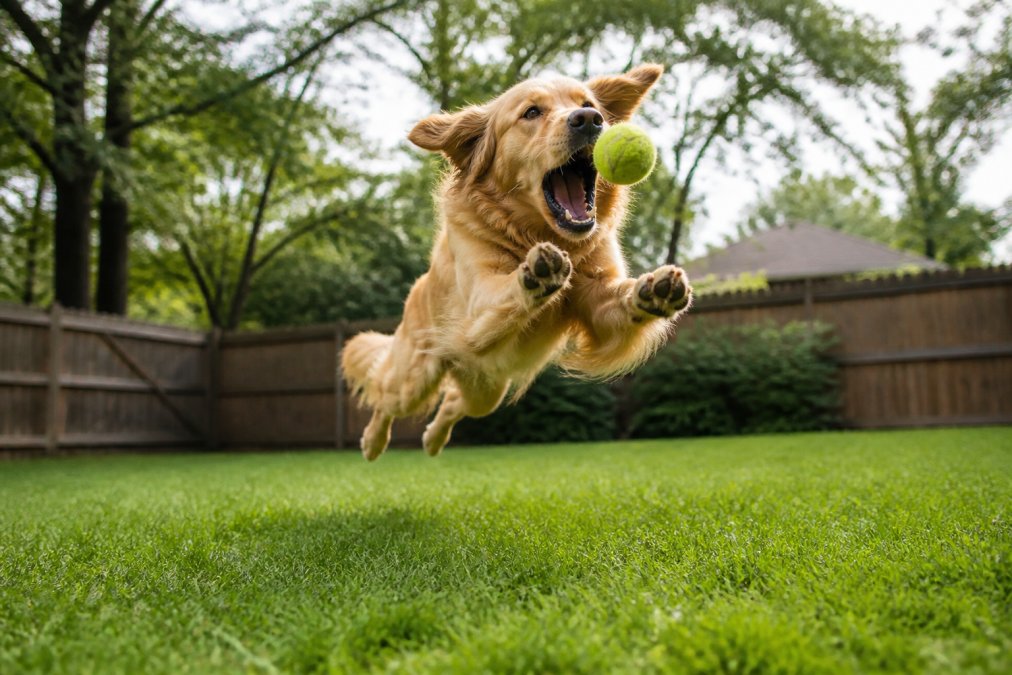
A practical approach: combine a 30-minute walk or play session with 15 minutes of mental stimulation daily. Many owners find that adequate combined exercise and mental engagement correlates directly with dogs sleeping through the night and remaining calm during the day.
Dog Toy Safety Tips and Ingestion Risks
When your dog destroys a toy, the immediate concern is what they might have ingested. Toy destruction creates serious health risks that many pet owners underestimate.
Stuffing from plush toys is a common culprit. Dogs swallow it, and it can accumulate in the intestines, causing blockages (avma.org). Squeakers are another hazard, small, hard, and attractive. Rope fibers from rope toys can tangle around the intestines, causing severe damage.
Signs of ingestion problems include vomiting, loss of appetite, lethargy, constipation, or abdominal pain. Some dogs show no symptoms initially, then develop severe issues days or weeks later. If you suspect ingestion, contact your veterinarian immediately.
The safest approach is prevention. Remove toys before they fall apart. Inspect toys regularly for damage, loose seams, or missing pieces. Store toys safely so your dog can't access them without supervision.
Hard plastic toys present a different risk. Aggressive chewers can fracture teeth on hard toys. Look for toys that flex slightly under pressure rather than resist rigidly.
The Proud Pet Shop Bite-Proof Sofa Bed ($161.99) addresses this differently by providing a safe resting surface that won't shed harmful materials when chewed. Constructed with bite-proof and scratch-proof fabric, it withstands chewing that standard beds cannot.

How to Stop Dog Destroying Toys: Action Plan
Solving toy destruction requires a systematic approach addressing root causes and managing behavior.
Step 1: Identify the trigger. Observe when destruction happens. Does it occur when you leave the house? During quiet times? When your dog is alone? Timing reveals whether you're dealing with separation anxiety, boredom, or prey drive.
Step 2: Assess exercise and mental stimulation. Calculate daily physical activity and mental engagement. Most destructive chewers need more than they're getting. Increase both gradually over a week and track improvement.
Step 3: Remove access to destructible toys. Stop leaving plush toys, rope toys, or poorly constructed toys available unsupervised. Keep them in closed storage.
Step 4: Introduce durable alternatives. Provide toys specifically designed to withstand aggressive chewing, rubber toys, nylon chews, and puzzle toys.
Step 5: Practice redirection and commands. Spend 10 minutes daily teaching drop it and leave it. When your dog targets a destructible toy, redirect them to an appropriate toy and reward correct behavior.
Step 6: Use mental stimulation tools. Incorporate puzzle toys like the Proud Pet Shop IQ Treat Puzzle and enrichment mats like the Proud Pet Shop Sniffing Petal Mat into your routine.
Step 7: Monitor and adjust. Track destructive behavior over two weeks. If it's decreasing, you're on the right track. If it continues, reassess exercise and mental stimulation.
| Step | Action | Timeline | Expected Result |
|---|---|---|---|
| Identify trigger | Observe when destruction occurs | 3-5 days | Understanding root cause |
| Assess stimulation | Evaluate daily activity level | 1 day | Baseline understanding |
| Remove access | Store destructible toys away | Immediate | Fewer destruction opportunities |
| Introduce durables | Provide appropriate toys | Immediate | Better toy longevity |
| Practice commands | Daily 10-minute training | Ongoing | Improved impulse control |
| Add enrichment | Use puzzle toys and mats | Daily | Reduced boredom-driven behavior |
| Monitor progress | Track behavior changes | 2 weeks | Data-driven adjustments |
Most dogs show noticeable improvement within two to three weeks when all strategies are implemented consistently.
Destructive toy behavior is entirely manageable when you understand what's driving it. The combination of appropriate toys, adequate exercise, mental stimulation, and clear training creates an environment where your dog has no reason to destroy toys. At Proudpetshop, we offer durable toys, enrichment tools like our puzzle feeders and sniffing mats, and a 30-day satisfaction guarantee. Start with one strategy this week, whether removing destructible toys, adding a puzzle toy, or increasing daily exercise, and build from there. Your dog will thank you with fewer destroyed toys and a calmer, more satisfied demeanor.
Frequently Asked Questions
Q: Why does my dog destroy every toy I buy?
A: Dogs destroy toys due to boredom, separation anxiety, excess energy, or natural chewing instincts, especially during puppyhood. Destructive behavior is often a sign your dog needs more mental stimulation, physical exercise, or supervised play. Identifying the root cause (anxiety vs. boredom vs. prey drive) helps you address the behavior effectively rather than just replacing toys.
Q: Are there truly indestructible dog toys for aggressive chewers?
A: No toy is 100% indestructible, but high-quality options made from reinforced rubber, double-stitched nylon, or solid rubber can withstand aggressive chewing far longer than plush toys. Rotation and supervised play extend toy life. Always monitor for small tears before they become ingestion hazards.
Q: Should I take away a toy if my dog starts shredding it?
A: Yes. Remove toys immediately if your dog begins tearing stuffing, pulling threads, or creating small pieces they might swallow. Ingestion of toy material can cause blockages requiring veterinary surgery. Supervise all play sessions, and swap out toys that show signs of damage. Store toys out of reach when unsupervised, and rotate toys to maintain novelty without leaving damaged ones accessible.
Q: How can mental stimulation reduce destructive toy behavior?
A: Mental stimulation tires dogs mentally, reducing the destructive behavior driven by boredom and anxiety. Puzzle feeders, foraging mats, and interactive toys engage your dog's problem-solving instincts and redirect chewing energy. Combining mental enrichment with physical exercise creates a balanced routine that decreases destructive impulses. Dogs with adequate stimulation are calmer and less likely to shred toys out of frustration.
This article was written using GrandRanker