
Table of Contents
- Recognizing Arthritis Symptoms and Mobility Changes
- When to Seek Veterinary Diagnosis and Care
- Safe Pain Medication for Dogs With Arthritis
- Weight Management and Keeping Your Senior Dog Lean
- Exercises for Dogs With Arthritis: Gentle Movement Strategies
- Home Remedies for Arthritis in Dogs and Joint Supplements
- How to Make a Home Comfortable for a Dog With Arthritis
- Monitoring Pain and Mobility Over Time
- Frequently Asked Questions
Last Updated: October 15, 2026
Recognizing Arthritis Symptoms and Mobility Changes
Managing arthritis senior dogs starts with recognizing that the condition develops gradually, and catching early signs improves comfort and quality of life.
Watch for these specific changes in movement and behavior:
- Limping or favoring one leg over others
- Difficulty climbing stairs or jumping onto furniture
- Reluctance to play or take walks
- Swelling or heat around joints
- Yelping or whining when touched on certain areas
- Decreased activity level or spending more time resting
- Difficulty getting into or out of the car
Joint pain also shows up as behavioral shifts: a dog that once loved fetch loses interest, becomes irritable when handled, or licks and chews at joints.
The key difference between normal aging and arthritis is consistency.
If signs last more than a few days, seek professional evaluation.
When to Seek Veterinary Diagnosis and Care
Your veterinarian is the only person who can confirm arthritis through physical examination and imaging. Don't wait for symptoms to worsen before scheduling an appointment.
Schedule a vet visit if your dog shows:
- Persistent limping for more than a few days
- Visible swelling around joints
- Reluctance to bear weight on a leg
- Pain response when joints are touched or moved
- Significant decrease in activity level
- Difficulty with normal movements like standing or walking
Your vet will perform a physical exam and may recommend X-rays to assess joint damage, showing the extent of osteoarthritis (the most common form in senior dogs) and guiding treatment.
Be honest about what you've observed at home. Tell your vet:
- How long symptoms have been happening
- Which movements seem painful
- Any changes in eating, drinking, or bathroom habits
- Whether your dog limps on one or multiple legs
- How activity level has changed
This helps your vet tailor a treatment plan. Arthritis management is ongoing, not a one-time fix; check-ups every 6 months catch changes early and adjust treatment.
Safe Pain Medication for Dogs With Arthritis
Pain relief is often the foundation of arthritis management. Your vet may prescribe medication to reduce discomfort and keep your dog mobile.
Common pain medications for dogs include:
- NSAIDs (nonsteroidal anti-inflammatory drugs) like carprofen and deracoxib: reduce inflammation and pain
- Disease-modifying osteoarthritis drugs (DMOADs): slow progression of joint damage
- Other pain relievers: prescribed based on your dog's health and response to treatment
Follow dosing instructions exactly, giving medication at the same time daily. Never skip doses or adjust amounts without consulting your vet.
Watch for side effects while your dog takes pain medication:
- Vomiting or loss of appetite
- Diarrhea or constipation
- Lethargy or unusual behavior
- Increased thirst or urination
Report any of these to your vet immediately; some dogs tolerate certain medications better than others, and your vet may adjust the prescription.
Don't assume over-the-counter human pain relievers are safe. Many common medications are toxic to dogs.
Weight Management and Keeping Your Senior Dog Lean
Excess weight stresses joints and accelerates arthritis progression. A healthy weight directly reduces pain and improves mobility.
Assess your dog's weight with your vet, who will give the target range for their breed and frame.
Practical steps to manage weight:
- Measure food portions carefully using a scale or measuring cup
- Switch to lower-calorie treats or use vegetables like carrots and green beans
- Reduce table scraps and human food entirely
- Increase activity gradually (discussed in the next section)
- Choose a senior dog food formulated for weight management if recommended by your vet
Weight loss takes time.
Track your dog's weight monthly at home or at your vet's office. This shows whether your diet and activity changes are working.
Exercises for Dogs With Arthritis: Gentle Movement Strategies
Movement keeps joints mobile and muscles strong, but arthritis demands a different approach. The goal is controlled, low-impact activity that doesn't aggravate pain.
Controlled Walks and Short, Frequent Sessions
Short walks are safer than long ones: a 10 to 15-minute walk on level ground beats a single 30-minute outing.
Walk on soft surfaces when possible:
- Grass or dirt trails instead of concrete
- Avoid hills, stairs, and uneven terrain
- Skip slippery floors at home
- Keep pace slow and steady
Watch your dog's body language during walks. If they limp, slow down or stop, pain during exercise causes more damage.
Use a front-clip harness to reduce strain on the neck and shoulders. The American Veterinary Medical Association guidance on senior pet exercise recommends controlled, consistent activity tailored to your dog's ability.

Low-Impact Activities: Swimming and Hydrotherapy
Swimming and hydrotherapy are ideal for dogs with arthritis: water supports body weight, reducing joint pressure while allowing full range of motion. With access to a pool or hydrotherapy facility, 10 to 20-minute swim sessions 2 to 3 times weekly build strength without joint stress; start slowly if your dog is new to water. Hydrotherapy facilities use warm water and specialized equipment to reduce pain and improve joint mobility, ask your vet whether it's available locally and appropriate for your dog.
Light Stretching and Physical Therapy
Gentle stretching maintains flexibility and supports joint health. Ask your vet or a canine physical therapist to demonstrate safe techniques.
Basic stretches you can do at home:
- Gentle leg extensions: slowly straighten each leg, holding for a few seconds
- Soft massage: gentle circular motions on muscles around affected joints
- Range-of-motion movements: slowly move joints through their natural range without forcing
Never push stretches to the point of pain; movement should be gentle and controlled, and if your dog resists or shows pain, stop immediately. A canine physical therapist can create a customized rehabilitation program with therapeutic exercises, massage, and home-care guidance, improving long-term outcomes.
Proud Pet Shop Comfort Den XL →
Home Remedies for Arthritis in Dogs and Joint Supplements
Supplements and complementary approaches support arthritis management alongside veterinary care. They don't replace medication but work well as part of a comprehensive plan.
Glucosamine, Chondroitin, and Joint Health Support
Glucosamine and chondroitin are popular joint supplements. Glucosamine supports cartilage health, and chondroitin helps cartilage retain water and resist compression.
Many senior dog owners report improved mobility after starting these supplements, though results vary, some see improvement within weeks, others after months.
Other joint-supporting supplements include:
- Omega-3 fatty acids: reduce inflammation
- MSM: may help reduce joint pain
- Turmeric: has anti-inflammatory properties
Always check with your vet before starting any supplement. Some interact with medications or aren't appropriate for certain health conditions.
Complementary Therapies: Laser, Acupuncture, and Red Light
Laser therapy and acupuncture are increasingly available for dogs with arthritis. Laser therapy uses focused light to reduce inflammation and promote healing in painless 10 to 20-minute sessions, while red light therapy works similarly, using specific wavelengths to stimulate cellular healing in joints, many owners use at-home devices designed for pets. Acupuncture stimulates specific points to reduce pain and improve circulation, though results are individual.
How to Make a Home Comfortable for a Dog With Arthritis
Your home environment directly affects your dog's comfort and ability to move safely. Small adjustments reduce joint stress and prevent falls.
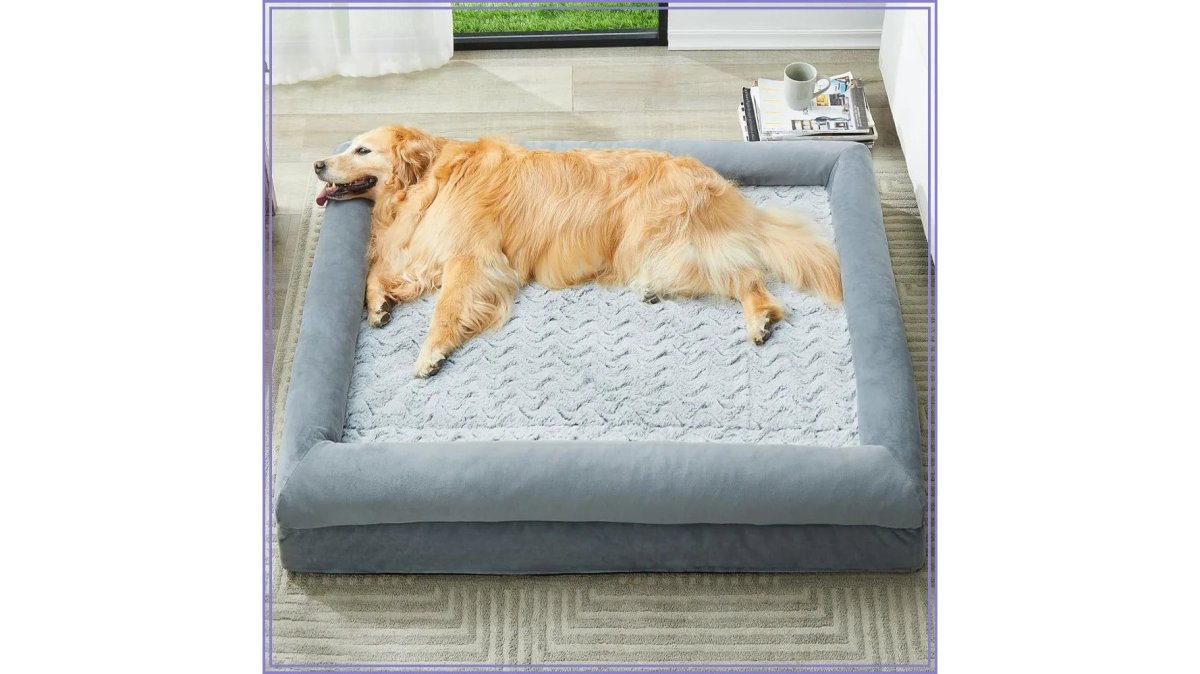
Supportive Bedding and Orthopedic Comfort Essentials
Orthopedic bedding is one of the most important investments for a dog with arthritis.

The Proud Pet Shop Comfort Den XL ($149.99) features high-density orthopedic foam and bolster sides for head and neck support.
Look for beds with these features:
- High-density foam or memory foam
- Raised edges or bolster sides for head support
- Washable, waterproof covers
- Non-slip bottom to prevent sliding
- Adequate size so your dog can stretch out fully
Place the bed in a quiet, low-traffic area away from drafts, and avoid hard tile or concrete floors, carpet or rugs underneath add cushioning and warmth.
Room-by-Room Home Safety Checklist
Walk through your home and identify potential hazards. This checklist helps:
Living Areas:
- Remove or secure loose rugs that could cause slipping
- Clear pathways to water and food bowls
- Place frequently used items at your dog's level to avoid reaching or climbing
- Use baby gates to block access to stairs if needed
Bedrooms:
- Position the orthopedic bed away from high-traffic areas
- Ensure easy access to the bed without jumping or climbing
- Keep the room temperature comfortable
Bathrooms and Kitchens:
- Place non-slip mats on tile floors
- Keep food and water bowls on a mat to prevent sliding
- Ensure water is always accessible
Stairs and Entryways:
- Install ramps or steps at doorways or stairs if your dog struggles
- Use non-slip mats on stair treads
- Consider blocking stairs entirely if climbing causes pain
Outdoor Areas:
- Remove obstacles and uneven ground
- Provide shaded areas for rest
- Keep potty areas close to the house
Temperature Control and Heating Pads for Joint Relief
Cold weather worsens arthritis pain in many dogs, and warmth reduces stiffness. Keep your home at a comfortable temperature, especially where your dog spends most time. Heating pads provide targeted warmth: the Proud Pet Shop Cooling Recovery Mat ($28.99) activates with water and maintains consistent temperature without electricity, and while designed for cooling, many owners use similar gel pads warmed slightly for joint relief in cold months. Additional warmth strategies:
- Provide blankets or sweaters for outdoor time
- Keep your dog indoors during extreme cold
- Use a humidifier to ease joint stiffness
- Consider a heated bed for winter months
Monitor for overheating, excessive panting or restlessness means it's too warm.
Monitoring Pain and Mobility Over Time
Consistent monitoring helps you track whether your arthritis management plan is working. Document changes so you can adjust strategies and share information with your vet.
Create a simple tracking system:
- Weekly notes: How is your dog moving? Any limping? Pain responses?
- Activity level: Is your dog more or less active than last week?
- Appetite and sleep: Changes in eating or rest patterns?
- Medication response: Does pain relief seem effective?
- Weight: Track monthly at home or at the vet's office
Photograph or video your dog walking weekly. Visual records show subtle changes you might otherwise miss. This documentation is invaluable during vet visits.
Red flags that warrant immediate vet contact:
- Sudden severe lameness
- Complete loss of appetite
- Inability to stand or move
- Extreme pain responses
- Behavioral changes like aggression or withdrawal
Arthritis is progressive, but the right management plan slows progression and keeps your senior dog comfortable.
Managing arthritis in senior dogs at home requires a multi-faceted approach combining pain relief, weight management, gentle exercise, and environmental comfort. The Comfort Den XL provides therapeutic support, while the CloudLift Bed and Cooling Recovery Mat address temperature regulation and comfort needs.

Frequently Asked Questions
What are the first signs of arthritis in a senior dog?
Early arthritis signs include stiffness after rest, limping or favoring one leg, reluctance to jump or climb stairs, and reduced activity levels. You may notice your dog moving more slowly during walks or taking longer to stand up. Lameness often worsens in cold weather or after exercise. If your senior dog shows these changes, contact your veterinarian for a proper diagnosis and to rule out other joint issues.
How often should I exercise a dog with arthritis?
Senior dogs with arthritis benefit from short, frequent walks rather than long, strenuous outings. Aim for 2-3 walks daily lasting 10-20 minutes each, adjusted to your dog's comfort level. Consistency matters more than intensity; regular, gentle movement helps maintain joint flexibility and muscle strength. Watch for signs of pain or fatigue, and stop if your dog limps heavily or seems reluctant to continue. Your veterinarian can recommend a tailored exercise plan based on your dog's condition.
What joint supplements help dogs with arthritis?
Glucosamine and chondroitin are the most researched joint supplements for dogs with arthritis. Glucosamine supports cartilage repair, while chondroitin helps retain water in cartilage to maintain cushioning. Many supplements combine both ingredients for better results. Other options include omega-3 fatty acids for inflammation reduction and MSM for joint support. Always discuss supplements with your veterinarian before starting, as they can interact with medications and may take 4-6 weeks to show benefits.
How can I make my home safer for a dog with arthritis?
Create a comfortable environment by placing an orthopedic bed like the Proud Pet Shop Comfort Den XL on the main floor where your dog spends most time, reducing stair climbing. Use ramps or steps near furniture and beds to prevent jumping. Keep food and water bowls easily accessible at chest height if possible. Remove tripping hazards, secure rugs to prevent slipping, and maintain consistent temperatures, warmth eases joint stiffness. Provide cooling mats during hot weather to reduce inflammation and joint stress.