
Table of Contents
- Spring Safety Tips for Dogs and Cats
- Summer Pet Safety Tips and Heat Prevention
- Fall Grooming and Shedding Management
- Winter Care Tips for Pets
- Year-Round Pet Health Checklist
- Seasonal Pet Care Essentials by Species
- Frequently Asked Questions
Last Updated: October 8, 2026
Spring Safety Tips for Dogs and Cats
Spring brings warmer temperatures and more outdoor time, but the seasonal transition also introduces new risks for pets. Allergies spike as plants bloom, parasites become active after winter dormancy, and sudden temperature swings can catch unprepared pet owners off guard.
The shift from winter to spring requires adjusting your pet's routine gradually. If your dog has spent months indoors, sudden increases in outdoor activity can lead to muscle strain or exhaustion.
Fresh water becomes critical as activity levels increase. Ensure your cat has access to clean, flowing water year-round with a system like the Proud Pet Shop Stainless Steel Cat Fountain, which encourages hydration through natural appeal to moving water.
Spring grooming removes the heavy winter coat and allows you to inspect skin for parasites or irritation. The Proud Pet Shop Deshedding Vacuum Kit captures loose fur directly during brushing, preventing allergens from spreading through your home, a practical solution during peak shedding season.

Summer Pet Safety Tips and Heat Prevention
Summer heat poses the greatest risk to pet health during seasonal transitions. Dogs and cats lack efficient cooling systems compared to humans, relying primarily on panting and limited sweating through paw pads. High temperatures, humidity, and prolonged sun exposure can trigger heat exhaustion or heatstroke within minutes, conditions that demand immediate veterinary attention.
Fresh Water and Shade
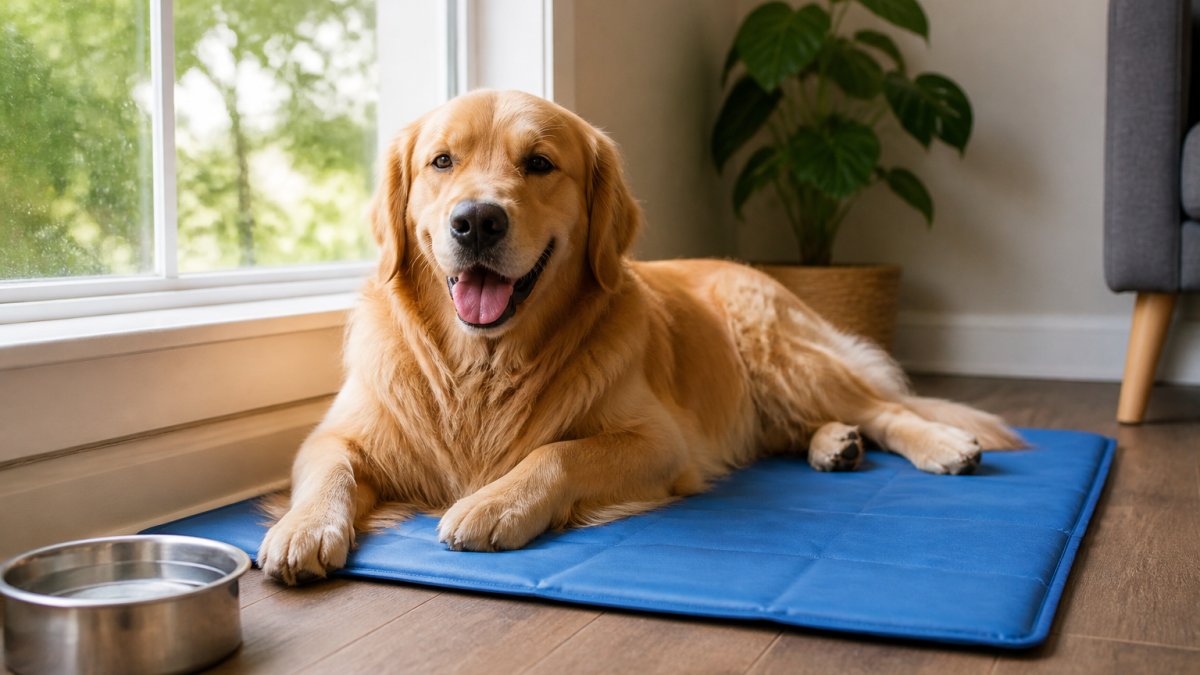
Constant access to fresh, cool water is non-negotiable during summer months. Dogs and cats should always have shade available when outdoors, whether from trees, structures, or portable covers. Water bowls placed in direct sun heat up quickly and become unappealing, refresh them frequently throughout the day.
The Proud Pet Shop Cooling Recovery Mat provides instant thermal relief without electricity or freezing. Simply add water to activate the pressure-sensitive gel, creating a cool resting zone where your dog lies down.

For cats, indoor comfort matters most during peak heat hours. Keep windows open for airflow, provide shaded resting areas, and ensure your cat has access to cool surfaces like tile floors or the bathroom. Never leave pets in cars, even with windows cracked, temperatures inside vehicles can reach dangerous levels within minutes.
Adjusting Walk Times and Outdoor Activity
Shift outdoor activities to early morning or evening hours when temperatures are cooler. Midday walks expose dogs to peak heat and hot pavement that can burn sensitive paw pads. Many pet owners don't realize that asphalt and concrete absorb and radiate heat far above air temperature, a dog's paw pad can suffer burns in seconds on extremely hot surfaces.
Reduce walk duration and intensity during summer. A 30-minute evening walk replaces a longer midday outing, protecting your dog from heat stress while maintaining exercise. Watch for signs of fatigue, excessive panting, or reluctance to continue, these signal overheating.
The Proud Pet Shop No-Pull Adventure Harness includes reflective stitching for evening visibility and breathable, padded lining that minimizes heat retention during cooler walks. The front-clip design reduces pulling tension, allowing controlled movement without neck strain.
Recognizing Heatstroke and Heat Exhaustion
Heatstroke develops rapidly and requires immediate veterinary care. Common warning signs include excessive panting, drooling, lethargy, vomiting, or collapse. Some dogs may have difficulty standing or appear confused. Cats often hide during heat stress, so check quiet areas like closets or under furniture if your cat seems unusually withdrawn.
If you suspect heatstroke, move your pet to a cool area immediately and contact a veterinarian. Do not assume your pet will recover on its own, internal organ damage occurs quickly at elevated body temperatures. Cool water applied to the coat helps, but professional evaluation is essential.
Fall Grooming and Shedding Management
Fall triggers dramatic shedding as pets prepare for winter coat growth. Dogs and cats shed heavily during this seasonal transition, and many pet owners struggle with the volume of loose hair accumulating on furniture and clothing.
Brush your dog 3-4 times weekly during peak shedding season. The Proud Pet Shop Deshedding Vacuum Kit integrates grooming with suction power, capturing loose fur directly into a contained canister.
For cats preferring autonomous grooming, the Proud Pet Shop Cat Corner Groomer mounts in wall corners, allowing your cat to groom independently.

Nail maintenance also increases in importance during fall. The Proud Pet Shop Quiet Nail Grinder shapes nails gradually with minimal vibration, preventing the anxiety many pets experience with traditional clippers.
Winter Care Tips for Pets
Winter introduces cold exposure, snow, ice, and reduced outdoor activity. Pets accustomed to summer activity levels may struggle with shorter days and lower temperatures. Cold weather also brings seasonal hazards like antifreeze, ice melt chemicals, and hypothermia risk.
Paw Protection from Ice and Snow
Ice and snow accumulation on paw pads causes discomfort and can lead to frostbite in extreme conditions. Snow clumps between toes, and ice melt chemicals used on sidewalks irritate skin and are toxic if ingested. Inspect your dog's paws after outdoor time, removing ice and snow gently with a warm cloth.
Consider protective booties for winter walks, especially for small dogs or those with sensitive paws. Booties also reduce exposure to ice melt chemicals. After walks, wipe all four paws with a damp cloth to remove chemical residue.
The Proud Pet Shop No-Pull Adventure Harness includes reflective stitching that enhances visibility during dark winter mornings and evenings. Proper restraint during icy conditions prevents pulling injuries and allows controlled movement on slippery surfaces.
Cold Exposure and Hypothermia Warning Signs
Hypothermia occurs when body temperature drops dangerously low. Small dogs, senior pets, and those with thin coats are most vulnerable. Signs include shivering, lethargy, muscle stiffness, or difficulty moving. Severe hypothermia may cause unconsciousness or collapse.
Proud Pet Shop Cooling Recovery Mat →
Limit outdoor time during extreme cold. Bring pets inside frequently to warm up, and provide insulated shelter if outdoor time is necessary. Sweaters or coats help smaller dogs retain body heat, though most healthy adult dogs tolerate cold well with access to shelter and activity.
Indoor comfort becomes critical during winter. Elevated beds like the Proud Pet Shop CloudLift Bed keep dogs off cold floors while the breathable mesh allows air circulation. The waterproof surface handles moisture from snow or wet coats, and the elevated design isolates pets from ground-level cold and damp.
Year-Round Pet Health Checklist
Consistent preventive care protects pets across all seasons. A structured approach ensures you don't miss critical health measures as the year progresses.
| Care Task | Frequency | Spring | Summer | Fall | Winter |
|---|---|---|---|---|---|
| Veterinary wellness exam | Annually | ✓ | |||
| Parasite prevention | Monthly or per vet | ✓ | ✓ | ✓ | ✓ |
| Grooming/brushing | Weekly to monthly | ✓ | ✓ | ✓ | ✓ |
| Nail trimming | Every 4-6 weeks | ✓ | ✓ | ✓ | ✓ |
| Hydration check | Daily | ✓ | ✓ | ✓ | ✓ |
| Skin/coat inspection | Monthly | ✓ | ✓ | ✓ | ✓ |
| Activity level adjustment | Seasonal | ✓ | ✓ | ✓ | ✓ |
Parasite prevention deserves special attention. Fleas and ticks thrive in warm months but can survive indoors year-round. Consult your veterinarian about the best prevention strategy for your pet's lifestyle and region.
Dental health often gets overlooked during seasonal transitions. Brush your dog's teeth regularly and have your veterinarian assess dental health during wellness exams. Cats benefit from dental care as well, though they typically resist tooth brushing more than dogs.
Microchipping and ID tags become especially important during seasons when pets spend more time outdoors. The Proud Pet Shop Smart Finder Tag clips onto any standard collar and connects to your mobile phone, providing real-time location tracking.
Seasonal Pet Care Essentials by Species
Dogs and cats have different thermal regulation abilities, activity patterns, and seasonal vulnerabilities. Species-specific guidance ensures your pet receives appropriate care throughout the year.
Dogs: Activity Levels and Thermal Regulation
Dogs maintain body heat through activity and metabolism. High-energy breeds tolerate cold better than small or thin-coated dogs. Summer heat poses greater risk because dogs cool primarily through panting, an inefficient process compared to human sweating.
Adjust exercise intensity with seasonal temperature changes. Spring and fall allow normal activity levels as temperatures moderate. Summer requires shorter walks during cooler hours and more frequent water breaks.
Senior dogs and puppies need extra attention during temperature extremes. Puppies lack fully developed temperature regulation, and senior dogs may have reduced circulation or arthritis that makes cold more painful.
The Proud Pet Shop CloudLift Bed supports dogs of all ages year-round. The elevated design isolates from cold floors in winter and allows air circulation during summer heat. Breathable mesh prevents moisture buildup, and the chew-resistant frame withstands active pets.
Cats: Indoor Comfort and Environmental Adjustments
Most cats prefer indoor environments, making seasonal adjustments simpler than with dogs. Indoor cats benefit from consistent temperature control, but seasonal changes still affect behavior and health.
Provide varied resting areas throughout your home. Ensure multiple water sources, including the Proud Pet Shop Stainless Steel Cat Fountain, which encourages hydration through flowing water appeal.
The Proud Pet Shop Cat Corner Groomer reduces manual grooming burden during heavy shedding seasons. Mounting in wall corners preserves floor space, and soft bristles stimulate circulation while capturing loose hair.
Indoor cats benefit from enrichment activities that adjust seasonally. Spring and summer may inspire climbing and window observation.
Seasonal pet care requires attention to temperature changes, parasite activity, grooming needs, and activity adjustments.
Frequently Asked Questions
How should I adjust my pet's care routine for each season?
Seasonal pet care requires adjusting hydration, outdoor activity timing, grooming frequency, and shelter comfort. In summer, provide fresh water constantly, move walks to early morning or evening, and use cooling tools like the Proud Pet Shop Cooling Recovery Mat ($28.99). In winter, limit outdoor exposure, provide warm bedding, and protect paws from ice and salt. Spring and fall involve increased grooming as shedding peaks. A year-round pet health checklist helps track vaccinations, parasite prevention, and veterinary check-ups across all seasons.
What are the main differences in seasonal pet care between dogs and cats?
Dogs need more frequent outdoor activity adjustments, shorter walks in extreme heat or cold, with reflective gear for winter visibility. The Proud Pet Shop No-Pull Adventure Harness ($37.99) includes reflective stitching for safer evening walks. Cats spend more time indoors and benefit from environmental adjustments: window perches in spring and summer, warm resting spots in winter, and consistent grooming. The Proud Pet Shop Cat Corner Groomer ($24.99) helps cats manage shedding independently year-round, while the Stainless Steel Cat Fountain ($55.99) encourages hydration in all seasons.
What summer pet safety tips prevent heatstroke in dogs?
Heatstroke prevention requires constant access to fresh, cool water, shaded outdoor areas, and reduced midday activity. Never leave pets in cars or direct sun. The Proud Pet Shop Cooling Recovery Mat activates instantly with water and uses body weight to create cooling zones without electricity. Move vigorous walks to early morning or evening when pavement is cooler. Watch for excessive panting, drooling, lethargy, or vomiting, these are emergency signs requiring immediate veterinary care. Senior dogs and flat-faced breeds are at higher risk.
How do I protect my pet's paws during winter?
Winter paw protection involves limiting exposure to ice, snow, and salt. Wipe paws after outdoor time to remove salt and ice crystals that cause irritation. Consider protective booties for extended outdoor activity. The Proud Pet Shop No-Pull Adventure Harness ($37.99) ensures safe, controlled walks on slippery surfaces. Indoor alternatives like the CloudLift Bed ($99.00) provide comfortable, elevated resting spots that keep paws off cold floors. Check between toe pads for ice buildup and watch for limping or excessive licking, which signal discomfort or injury.
What should be on my year-round pet health checklist?
A year-round pet health checklist includes: spring and fall veterinary check-ups, year-round parasite prevention (fleas, ticks, heartworms), seasonal vaccinations, grooming every 6-8 weeks, nail trimming monthly, and dental care. Use the Proud Pet Shop Quiet Nail Grinder ($28.99) for stress-free home maintenance. Monitor hydration with the Stainless Steel Cat Fountain ($55.99) for cats. Manage shedding with the Deshedding Vacuum Kit ($59.99) to reduce allergens. Ensure microchip registration is current, especially before outdoor season, and keep identification tags updated year-round.