
Table of Contents
- Why Small Dog Body Carriers Matter for Active Pet Owners
- How to Measure a Dog for a Carrier: Getting the Right Fit
- Best Practices for Pet Carrier Safety During Transport
- Breathable Dog Carrier for Hiking: Ventilation and Heat Management
- Training Your Small Dog to Wear a Body Carrier
- Hands-Free Carrying Options for Everyday Errands
- Maintenance and Durability: Keeping Your Carrier in Top Shape
- Frequently Asked Questions
Last Updated: September 21, 2026
Why Small Dog Body Carriers Matter for Active Pet Owners
Small dog body carriers free your hands while keeping your dog secure, essential for navigating crowded streets, hiking trails, or running errands.
A small dog body carrier distributes weight across your torso, freeing your hands for doors, stairs, and balance, eliminating arm fatigue on longer outings.
Quality carriers differ in fit, ventilation, and closure security. This guide covers the practical details that matter.
How to Measure a Dog for a Carrier: Getting the Right Fit
Accurate measurements ensure a small dog body carrier fits properly, too tight restricts movement; too loose creates safety risks.
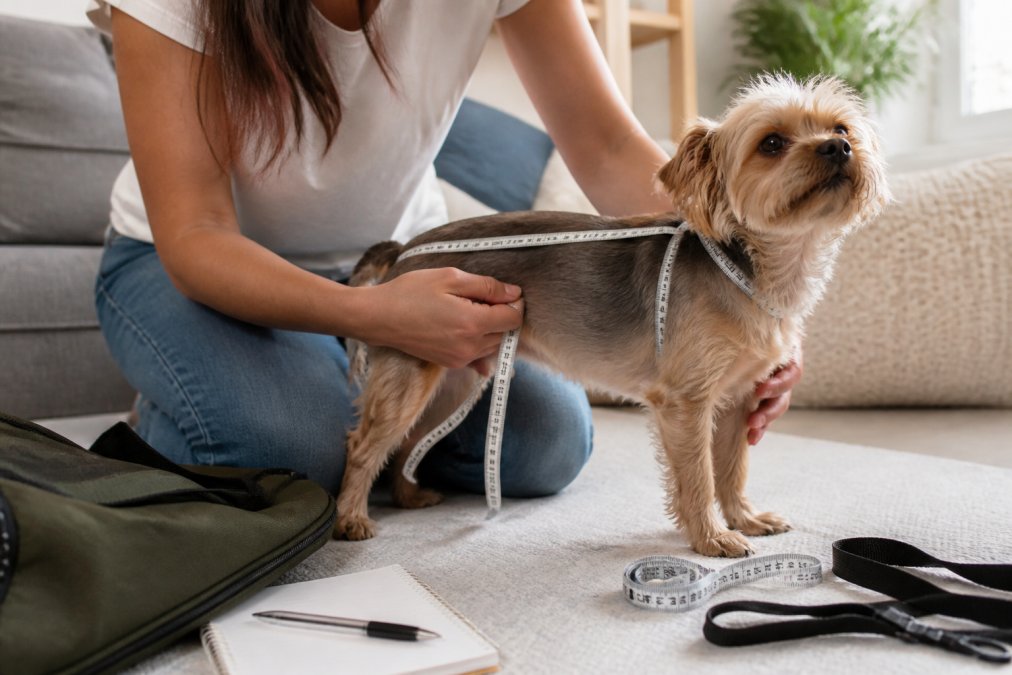
Taking Accurate Body Measurements
Measure back length (neck base to tail base) and chest width (widest rib cage point). These determine if your dog can stand and turn comfortably.
Use a soft measuring tape during a calm moment. Record measurements in inches; most carriers list size ranges for specific measurement ranges.
Body proportions matter more than weight. A 12-pound dog with a long back may need a different carrier than a 15-pound stockier dog.
Accounting for Breed-Specific Sizing
Breed shapes vary: Dachshunds are long and low, Chihuahuas compact and upright, Pugs stocky with shorter backs.
Long-bodied breeds need extra back length; compact breeds fit better in carriers designed for chest width.
If your dog falls between sizes, choose larger. Your dog should stand, turn around, and lie down comfortably.
Best Practices for Pet Carrier Safety During Transport
A small dog body carrier is only as safe as how you use it. Proper closure systems, secure attachment points, and pre-outing stability checks make the difference between a secure carrier and a risky one.
Secure Closure Systems and Leash Attachments
Soft buckle or zippered closures prevent escapes; Velcro-only closures fail under pressure or moisture.
An interior safety leash attachment ensures containment if the main closure fails. The Proud Pet Shop TrailFold Carrier includes this feature.

Test closures before outings, they should be snug but operable one-handed. Check periodically during use.
Testing Carrier Stability Before Outings
Before long outings, wear the loaded carrier for 10-15 minutes at home. It should sit firmly without shifting side to side.
Adjust shoulder, chest, and waist straps until the carrier feels locked in place. Your dog shouldn't move independently when you move.
The carrier shouldn't dig into shoulders or restrict arm movement. It should feel like an extension of your body.
Breathable Dog Carrier for Hiking: Ventilation and Heat Management
Ventilation is critical for outdoor activities. Performance depends on mesh design, material weight, and pre-hike testing.
Mesh Panels and Airflow Design
Multi-directional mesh (front, back, sides) ensures airflow from every angle. Single-side ventilation traps heat and creates anxiety.
Mesh should be fine enough to block debris but open enough for airflow and visibility. Density matters: too-tight restricts airflow; too-loose allows insects.
The Proud Pet Shop Sidekick Sling uses breathable panels designed to keep pets calm and cool, separating active-use carriers from basic transport.

The Heat-Trapping Trade-Off: Material Weight vs. Breathability
Heavy-duty materials trap body heat. A 2-pound dense carrier can keep pets warmer than a 1-pound open-mesh carrier.
Lighter carriers (under 1.5 lbs) with open-weave mesh regulate temperature better but sacrifice durability. Choose based on terrain: rocky trails need durability; smooth terrain allows cooling priority.
Before hiking, wear the loaded carrier indoors for 15 minutes. If the interior feels noticeably warmer than outside air, ventilation is inadequate.
The 5-Second Pavement Test for Heat Safety
Before warm-weather hikes, place your bare hand on the pavement for 5 seconds. If you can't keep it there comfortably, the ground is too hot for your dog's paws.
Proud Pet Shop Sidekick Sling →
Dark asphalt reaches 140-160°F on 85°F days. If the test fails, avoid the surface, use a carrier, or hike during cooler hours.
Weight Distribution and Comfort on Long Trails
Weight should distribute evenly across shoulders and back. Wide, padded straps (2+ inches) reduce pressure. Chest or waist straps prevent bouncing.
Test stability on a 20-minute varied-terrain walk before committing to a full hike.
Post-Hike Paw Care and Inspection
After removing your dog, inspect paws for blisters, redness, or swelling. Pads should cool within 2-3 minutes. If hot or your dog limps, soak paws in cool water for 5 minutes.
Remove debris from paw pads and between toes. If your dog limps or excessively licks paws after a hike, reduce carrier time or choose cooler conditions.
Training Your Small Dog to Wear a Body Carrier
Training takes patience and positive reinforcement. High-prey-drive or independent breeds resist confinement longer than companion breeds.
Phase 1: Familiarization (Days 1-3)
Start indoors. Leave the carrier open with high-value treats inside, letting your dog explore at their own pace to build positive association.
Do not force your dog into the carrier during this phase. The goal is curiosity, not compliance. Repeat this 2-3 times daily for short sessions (5-10 minutes). Once your dog enters the carrier voluntarily to retrieve treats, you've established the foundation.
Phase 2: Stationary Wearing (Days 4-7)
Next, place your dog inside the carrier while you're sitting down on a couch or chair. Keep the session short, just 2-3 minutes. Reward calm behavior with treats and praise. Gradually increase the duration over several days before attempting to stand or walk.
During this phase, watch for anxiety signals specific to carriers: excessive panting (not from exertion), whining or crying, attempts to claw at closures, or trembling. These indicate your dog is stressed, not just adjusting. If you see these signs, reduce the session length immediately and return to Phase 1 for another day or two.
Breed temperament matters here. Anxious breeds (Cavalier King Charles Spaniels, some Chihuahuas) may need 7-10 days in this phase. Confident breeds (some Dachshunds, Pomeranians) may progress in 3-4 days. Do not rush; forcing progression creates negative associations that are harder to reverse.
Phase 3: Short Indoor Walks (Days 8-14)
Once your dog tolerates being inside while stationary for 10+ minutes without stress signals, practice short walks around your home. Start with just 5 minutes of slow, predictable movement. Walk in a straight line through familiar rooms. Avoid stairs, sudden turns, or obstacles that might startle your dog.
Gradually extend to 10, 15, and 20 minutes over the course of a week. Always end on a positive note, before your dog shows signs of stress. If your dog becomes anxious during a walk, stop, sit down, and let them calm before removing them from the carrier.
During these walks, your dog is learning that the carrier moves with you and that movement is safe. Some dogs experience motion sickness or disorientation during this phase.
Phase 4: Outdoor Exposure (Days 15-21)
Once your dog is comfortable with indoor walks, transition to outdoor environments. Start in a quiet, low-stimulation setting: a backyard or empty parking lot. Keep the first outdoor session to 5-10 minutes. Your dog is now processing new sights, sounds, and smells while confined, which is cognitively demanding.
Breed-Specific Considerations
Long-bodied breeds (Dachshunds, Corgis): These dogs often have lower anxiety in carriers because their body shape fits snugly. Training typically progresses faster. However, monitor for spinal stress if the carrier doesn't provide adequate support along the full back length.
Recognizing Stress vs. Normal Adjustment
Some whining or initial restlessness is normal during the first few days. However, persistent anxiety signals require intervention:
- Excessive panting (more than 30 breaths per minute at rest) indicates stress or heat buildup.
- Continuous whining or crying (not just initial protest) suggests your dog is not ready for the current phase.
- Attempts to escape (scratching, biting at closures) mean the carrier is too confining or your dog is frightened.
- Trembling or freezing indicates fear; do not progress until this resolves.
Maintenance of Carrier Acceptance
Once your dog accepts the carrier, use it regularly to maintain comfort. Dogs that wear carriers only once per month may regress and require retraining. Aim for at least weekly use, even if just for short 10-minute neighborhood walks. This keeps the carrier normalized in your dog's mind.
Hands-Free Carrying Options for Everyday Errands
Not every outing requires a full hiking carrier. For neighborhood walks, vet visits, and shopping errands, a lightweight sling carrier offers hands-free convenience without the bulk of a full backpack.
Maintenance and Durability: Keeping Your Carrier in Top Shape
A quality small dog body carrier is an investment. Proper maintenance extends its lifespan and keeps it hygienic for your pet.
Frequently Asked Questions
Are body carriers safe for small dogs?
Yes, small dog body carriers are safe when properly fitted and used correctly. The key is choosing a carrier with secure closure systems, internal leash attachments, and breathable mesh to prevent overheating. Ensure your dog's weight stays within the carrier's limit and that the carrier distributes weight evenly across your shoulders. Always supervise your pet during the first few uses to confirm comfort and security.
How do I measure my dog for a carrier to ensure proper fit?
Measure your dog's back length from the base of the neck to the tail base, and measure chest circumference at the widest point. Compare these measurements against the carrier's size chart. Your dog should stand and turn comfortably inside without feeling cramped. Leave at least 1-2 inches of extra space. Different breeds with similar weights may need different sizes, so always measure your specific dog rather than relying on weight alone.
Can small dog body carriers be used for long hikes?
Yes, but choose a carrier designed for hiking with extensive mesh ventilation, adjustable straps, and a removable, washable floor pad. Front-carry options like the Proud Pet Shop TrailFold Carrier allow weight distribution across your shoulders, reducing strain on longer trails. Ensure your dog has adequate airflow and take breaks on hot days. Monitor your dog for signs of overheating, such as excessive panting or drooling.
What features should I prioritize when choosing a small dog body carrier?
Prioritize breathable mesh panels for ventilation, adjustable straps for comfortable weight distribution, a secure closure system, and an internal safety leash attachment. For hiking, look for removable and washable floor pads and external pockets for storage. The carrier should fit your dog's measurements with room to stand and turn. Consider front-carry versus back-carry options based on your activities and physical comfort.