
Table of Contents
- How to Choose the Best Dog Carrier Backpack for 2026
- How to Measure Your Dog for a Backpack Carrier
- Dog Backpack Carrier Weight Limit: What's Safe to Carry
- Dog Carrier Backpack Safety Tips for Every Trip
- Comfort for You and Your Dog: Ergonomic Support and Weight Distribution
- Top Picks: Proud Pet Shop TrailFold Carrier and Sidekick Sling
- Cleaning, Maintenance, and DIY Safety Hacks
- Conclusion
- Frequently Asked Questions
Last Updated: September 29, 2026
How to Choose the Best Dog Carrier Backpack for 2026
The best dog carrier backpack 2026 buyers can find matches your dog's measurements, your body frame, and the trips you actually take. At Proudpetshop, we offer carriers that hold up on real trails, in real airports, and on real errands.
Front-Facing vs. Back-Facing Designs
Front-facing carriers keep small dogs close to your chest, calming anxious pets and letting you monitor breathing and posture. Back-facing designs shift weight to your shoulders and hips, better for longer hikes and dogs near the weight limit.
Key Features That Matter
Look for breathable mesh panels on at least two sides, an internal safety tether, and padded shoulder straps with a sternum strap. These four features separate carriers that work from carriers that look the part.
How to Measure Your Dog for a Backpack Carrier
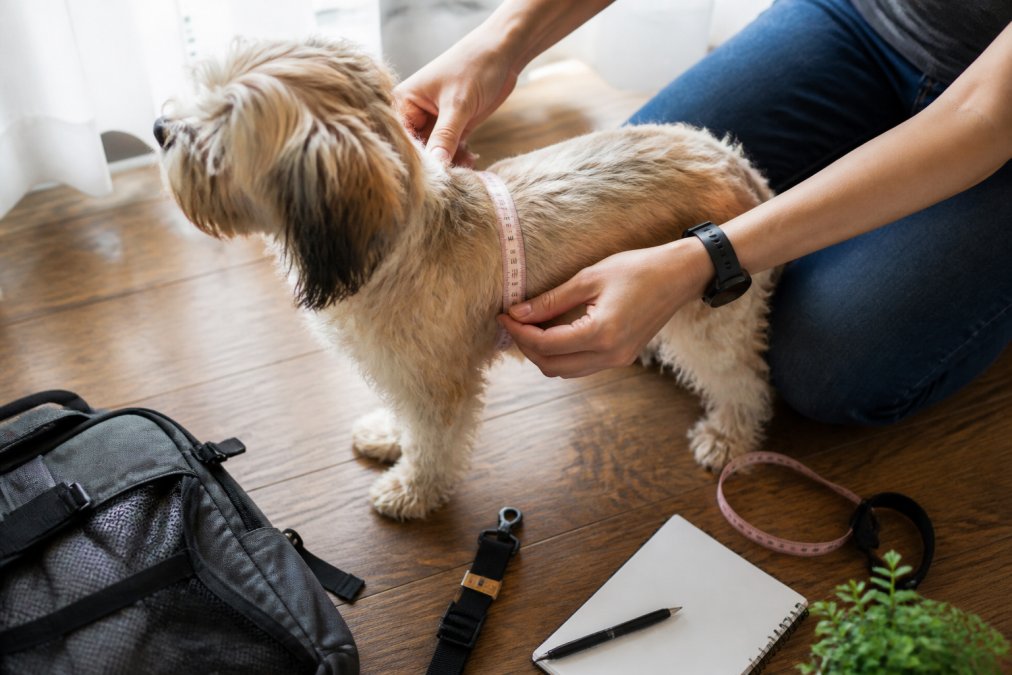
Measuring your dog takes two minutes and prevents the most common return reason: a carrier too short for the dog to stand. You need three numbers: back length, chest girth, and standing height.
Step-by-Step Measuring Guide
- Back length: Measure from the base of the neck to the base of the tail along the spine.
- Chest girth: Wrap a soft tape around the widest part of the ribcage, just behind the front legs.
- Standing height: Measure from floor to the top of the shoulders while the dog stands naturally.
- Weight: Weigh your dog, not the carrier's claimed capacity. Your dog's weight is the number that matters.
- Re-measure every few months for puppies, who can outgrow a carrier in weeks.
Write all three numbers down before opening a size chart. Guessing from breed alone is how people end up with carriers their dog can't turn around in.
Using a Size Chart to Pick S, M, or L
Match the largest of your three measurements to the chart, not the average. If chest girth sits in a medium but back length tops out a small, size up.
Dog Backpack Carrier Weight Limit: What's Safe to Carry
The safe weight limit for a dog backpack carrier is the lower of two ceilings: the carrier's rated capacity and the load your frame can carry comfortably for the trip's length. Most small-dog carriers top out between 15 and 25 pounds.
Load-Bearing Capacity by Carrier Type
Sling-style carriers support smaller pets; structured backpacks with a rigid base handle more. The table below maps carrier style to the pets and trips it suits.
| Carrier Style | Typical Weight Range | Best For | Carry Position |
|---|---|---|---|
| Crossbody sling | Up to 15 lbs | Errands, vet visits | One shoulder |
| Front-carry backpack | Small dogs and cats | Bonding, short walks | Chest |
| Back-carry backpack | Small to mid-size dogs | Longer hikes | Back |
| Structured frame pack | Mid-size dogs | Full-day trails | Back with hip belt |
Why a Dog's Live Weight Is Heavier Than the Rating
A carrier rated for 20 pounds is rated for a still 20 pounds. A dog shifts, leans, and lunges, multiplying force on seams and straps, a 15-pound dog lunging sideways can briefly load a shoulder strap with two to three times its body weight.
How to Calculate Your Safe Combined Load
Use this order of operations before you buy:
- Weigh your dog on a scale, not by breed estimate. A "10-pound" breed can easily be 14 pounds.
- Add the carrier's own weight, 1 to 3 pounds for a structured pack, less for a sling.
- Add what you'll carry inside it, treats, water, a collapsible bowl, waste bags.
- Compare the total to your comfortable carry load. Most adults find a front or back carry comfortable up to roughly 10 to 15 percent of their body weight for an hour or more; above that, a waist belt is mandatory.
- Pick the lower of the two numbers and stay under it.
Weight Distribution: Where the Load Actually Goes
On a front-carry pack, weight sits on the chest and pulls the shoulders forward. On a back-carry pack without a hip belt, it sits entirely on the trapezius and upper back. A waist belt transfers a meaningful share of the load to the hips.
Matching Weight to Trip Length
A 12-pound dog in a sling is fine for a 20-minute vet visit, but the same dog on a three-hour hike is a different problem: single-shoulder carry fatigues one side, the dog has no flat base, and you have no free hand. Past an hour, move up to a structured back-carry pack with a waist belt and rigid base panel, even if your dog is well under the sling's limit.
Dog Carrier Backpack Safety Tips for Every Trip
Safety comes down to three things: a secured tether, working buckles, and airflow. But there's a fourth layer most guides skip, whether your carrier is legal to bring on a plane.
Internal Safety Tether and Quick-Release Buckles
Clip the internal safety tether to your dog's harness, never a collar. A collar clip can choke a dog who lunges; a harness spreads that force across the chest.
Ventilation, Weather, and Heat
Mesh panels must stay unobstructed, a blanket or jacket draped over the carrier cuts airflow fast on a warm day. Flat-faced breeds (pugs, French bulldogs, Boston terriers) need more ventilation because their airways work harder in enclosed spaces. On warm days, choose mesh on at least three sides and check your dog every 15 to 20 minutes.
Airline Compliance: The Gap Most Guides Ignore
Hiking packs and airline-approved carriers are not the same product, and a backpack that works on a trail may be turned away at the gate. If you plan to fly, treat airline compliance as a separate buying decision.
What to verify before you book:
Proud Pet Shop TrailFold Carrier →
- In-cabin vs. cargo. Most domestic airlines allow small pets in the cabin only if the carrier fits under the seat ahead of you, commonly around 17 to 18 inches long, 10 to 11 inches wide, and 8 to 9 inches tall, varying by aircraft and seat class. Measure your carrier collapsed, not expanded.
- Soft-sided vs. hard-sided. Most in-cabin policies require a soft-sided carrier that compresses slightly under the seat. A structured frame pack with a rigid base usually won't fit and is more likely to be denied.
- Ventilation on at least two sides. Many airlines require mesh on two or more sides plus secure zippers or fasteners; a single mesh panel may not qualify.
- Leash and tether inside. Airlines typically require the pet to stay secured inside the carrier for the whole flight. An internal tether clipped to a harness satisfies this and prevents escapes during boarding.
- Advance notice and fees. Most airlines require adding the pet to your reservation in advance and charge a per-trip cabin fee. Space is limited, so book early.
- Health documentation. Many airlines ask for a recent health certificate or proof of vaccination, especially for cross-state travel. Confirm current requirements with your airline before your vet visit.
A Quick Pre-Trip Safety Checklist
- Tether clipped to harness, not collar
- Every buckle clicked and tug-tested
- Mesh panels unobstructed on all sides
- Weight under the carrier's rated limit
- Airline policy confirmed in writing, if flying
- Carrier dimensions measured collapsed, if flying
Comfort for You and Your Dog: Ergonomic Support and Weight Distribution
Comfort is where cheap carriers give themselves away. Weight distribution decides whether you can walk a mile or only a block.
Padded Shoulder Straps, Sternum Strap, and Waist Belt
Padded shoulder straps spread load across the trapezius instead of cutting into it. A sternum strap stops straps sliding outward, and a waist belt transfers weight to your hips on longer carries. No waist belt means short trips only.
Breed-Specific Fit and Long-Term Spinal Health
Breed shape matters more than most guides admit. Dachshunds and other long-backed breeds need a firm, flat base so the spine stays supported rather than sagging into a hammock shape. Flat-faced breeds like pugs and French bulldogs need extra ventilation because their airways work harder in enclosed spaces.
Top Picks: Proud Pet Shop TrailFold Carrier and Sidekick Sling
Two carriers cover nearly every small-pet scenario: the Proud Pet Shop TrailFold Carrier for structured carry and the Sidekick Sling for quick, hands-free trips. Both come with a 30-day satisfaction guarantee.

TrailFold Carrier: Front and Back Carry for Small Dogs and Cats
The TrailFold Carrier at $34.99 is the more versatile of the two. Wear it front-facing to keep a nervous dog close, or switch to back mode for heavier loads and longer treks.
Pros:
- Converts between front and back carry
- Extensive mesh panels on the sides and front for airflow
- Interior safety leash attachment point
- Multiple front and side pockets for treats and bags
- Removable, washable bottom pad
- Adjustable straps distribute weight across the shoulders
- Available in S, M, and L
Cons:
- Back mode limits your view of the dog
- Structured build is bulkier to store than a sling
Sidekick Sling: Hands-Free Crossbody for Errands and Vet Visits
The Sidekick Sling at $28.99 is built for pets up to 15 lbs. It carries cats and small dogs against your body with a soft buckle closure and a breathable panel.

Pros:
- Portable
- Adjustable strap fits most body sizes
- Breathable panel keeps pets cool
- Ideal for vet visits, walks, and errands
Cons:
- 15 lb limit rules out larger dogs
- Single-shoulder carry gets tiring on long trips
| Feature | TrailFold Carrier | Sidekick Sling |
|---|---|---|
| Price | $34.99 | $28.99 |
| Carry position | Front or back | Crossbody |
| Weight limit | S, M, L sizing | Up to 15 lbs |
| Ventilation | Side and front mesh | Breathable panel |
| Best for | Hikes, long walks | Errands, vet visits |
Cleaning, Maintenance, and DIY Safety Hacks
Carriers collect fur, dirt, and moisture fast, and a dirty carrier loses ventilation. Remove the bottom pad and wash it by hand or on a gentle cycle, then air dry fully. Wipe mesh panels with a damp cloth and mild soap, and skip the dryer, heat warps buckles and shrinks mesh.
Conclusion
Choosing well comes down to measurements, safety features, and honest weight limits, not marketing copy. Proudpetshop stocks the TrailFold Carrier and Sidekick Sling, both backed by a 30-day satisfaction guarantee, free shipping over $50, and secure SSL encrypted checkout.
Frequently Asked Questions
Are dog carrier backpacks safe for dogs?
Yes, when sized and used correctly. Look for an internal safety tether, quick-release buckles, and breathable mesh panels. The Proud Pet Shop TrailFold Carrier includes an interior safety leash attachment point and ventilation mesh on the sides and front. Always secure your dog before zipping, and never leave them unattended in the carrier. Check buckles and straps before each use, and keep trips short until your dog adjusts.
How do I measure my dog for a backpack carrier?
Measure your dog's length from the base of the neck to the base of the tail, their standing height at the shoulder, and their chest girth around the widest point. Compare these numbers against the carrier's size chart. The TrailFold Carrier comes in S, M, and L, and your dog needs enough room to stand and turn inside. When in doubt, size up rather than down.
What is the weight limit for a dog backpack carrier?
Weight limits vary by design. The Proud Pet Shop Sidekick Sling holds pets up to 15 lbs, while the TrailFold Carrier offers S, M, and L sizes for different weights. As a rule, keep the total load under 20% of your body weight for comfortable carrying. Check the carrier's stated load-bearing capacity and never exceed it, since overloading strains both the straps and your shoulders.
Can dogs stay in a carrier backpack for long periods?
Short trips of 1-2 hours work well for most dogs. For longer outings, take breaks every 45-60 minutes to let your dog stretch and drink water. Watch for signs of overheating like heavy panting or restlessness. Breathable mesh and ventilation panels help airflow, but no carrier replaces fresh air and movement. Senior dogs and flat-faced breeds need more frequent breaks.
The hardest part of buying a dog carrier backpack isn't finding options, it's knowing which one fits your dog and your routine. Proudpetshop makes that call easier with durable, tested carriers, a 30-day satisfaction guarantee, and fast tracked shipping so you can test the fit without risk. Browse the TrailFold Carrier and Sidekick Sling, measure your dog first, and get started with Proudpetshop today.