
Table of Contents
- Collapsible vs Standard Dog Bowls: The Core Differences
- Best Collapsible Dog Bowl for Hiking and Outdoor Adventures
- How to Slow Down Fast-Eating Dogs with the Right Bowl Choice
- Cleaning, Maintenance, and Long-Term Performance
- Use Case Breakdown: Road Trips, Hiking, and Home
- Making Your Choice: What Actually Matters
- Conclusion
Last Updated: August 24, 2026
Collapsible vs Standard Dog Bowls: The Core Differences
A collapsible dog travel bowl folds flat to nearly nothing, then pops back into shape when needed, solving a problem standard bowls simply can't. But that convenience comes with trade-offs depending on how you plan to use it.
The core difference comes down to materials, weight, and real-world performance. Standard bowls, typically ceramic, stainless steel, or melamine, offer stability and proven longevity. They sit flat, don't tip easily, and handle years of daily use without degrading. Collapsible bowls, usually made from silicone or TPE (thermoplastic elastomer), prioritize portability and packability above all else. They compress to pocket size and weigh almost nothing, but they demand more care in use and storage.
Materials: Silicone, TPE, and Plastic vs Ceramic and Stainless Steel
Food-grade silicone is the standard for collapsible bowls because it's flexible, non-porous, and surprisingly durable for travel use. Unlike plastic, silicone won't leach chemicals into food or water (the FDA). TPE offers similar benefits with a slightly different feel.
Stainless steel is the gold standard for standard bowls, it resists dents, doesn't absorb odors or stains, and lasts a decade or more with minimal care. Ceramic looks better but chips and cracks easily if dropped. Melamine (plastic) is lightweight and affordable, but it scratches, stains, and degrades over time.
For occasional travel, silicone handles the job fine. For constant travel or rough terrain, stainless steel's durability justifies the extra weight.
Portability and Storage
Collapsible bowls win decisively here. A silicone travel bowl collapses to roughly the size of a deck of cards, fitting in a backpack pocket or luggage side pocket without taking up meaningful space. Standard bowls require dedicated space and are rigid no matter how small.
For hikers, every ounce matters. For road trips, it's less critical but still valuable if packing light. The trade-off: that packability comes from flexibility, meaning the bowl needs support to stand upright and is more prone to tipping on uneven terrain or in moving vehicles.
Weight and Capacity Trade-offs
A typical collapsible silicone bowl weighs 2-4 ounces and holds 1-2 cups of food or water (peer-reviewed research). A stainless steel bowl of similar capacity weighs 8-12 ounces. For a solo hiker, that difference is noticeable; for a car full of gear, it's negligible.
Capacity relative to your dog's size matters more. A small dog might be satisfied with 1 cup; a medium or large dog needs 2-3 cups per meal. If your collapsible bowl maxes out at 1.5 cups, you're refilling it multiple times. Standard bowls come in wider size ranges, making it easier to match capacity to your dog's actual needs.
Best Collapsible Dog Bowl for Hiking and Outdoor Adventures
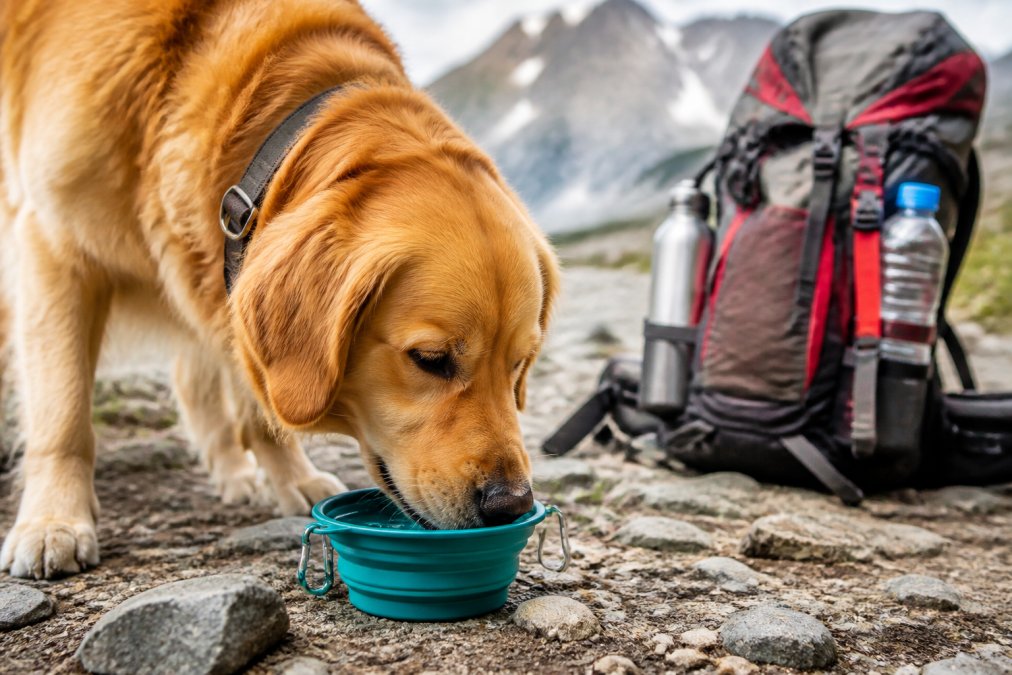
Hiking with a dog demands a bowl that won't fail when you're miles from help. The best collapsible bowls for hiking have reinforced rims that prevent collapse when full, a wide base that resists tipping on uneven ground, and material thick enough to withstand repeated folding without cracking. Look for bowls marketed specifically for outdoor use, they cost more but perform dramatically better in real conditions.
Stability and Spill-Resistance on Uneven Terrain
On flat ground, collapsible bowls are stable enough. On sloped campsites or rocky trails, they're prone to tipping or collapsing, spilling food or water everywhere. The best designs address this with a reinforced base or weighted bottom that keeps the bowl upright even when partially filled. Some include a carabiner attachment point, letting you secure the bowl to a stake or pack to prevent movement.
Standard stainless steel bowls have an inherent advantage: they're heavy and rigid enough to stay put on any terrain. If spill-resistance matters more than weight savings, a standard bowl is the safer choice.
Durability for Rough Conditions
Collapsible silicone bowls can handle rough use, but repeated folding eventually weakens the material. After 50-100 fold cycles, some bowls develop creases that don't fully disappear. After 200+ cycles, the material may crack or split along stress points.
For occasional hiking trips, this isn't a problem. For weekly hiking, a collapsible bowl might need replacement annually. Standard stainless steel bowls withstand years of rough handling with no degradation. The real question is frequency: if hiking is monthly, collapsible works fine; if weekly, stainless steel's durability justifies the extra weight.
How to Slow Down Fast-Eating Dogs with the Right Bowl Choice
Fast eating puts dogs at risk for bloat, vomiting, and digestive upset (aaha.org). The bowl itself can't fix the underlying behavior, but it can slow the eating process.
Bowl Design Features That Reduce Gulping
Slow-feeder designs with raised ridges, divided sections, or a center post force the dog to work around obstacles to reach food. These work but add weight and complexity, making them impractical for travel.
For travel, a shallow, wide bowl works better than a deep, narrow one. A shallow bowl forces smaller bites because the dog's mouth can't fit as much food at once. Collapsible bowls tend to be shallow by design, which actually helps with this issue.
Food-Grade Safety and Non-Porous Materials
Whether collapsible or standard, the bowl must be food-grade and non-porous to prevent bacterial growth and food contamination.
Food-grade silicone is non-porous and safe for repeated use. Stainless steel is also non-porous and naturally resistant to bacterial growth. Ceramic bowls are porous and can harbor bacteria in microscopic cracks. Plastic and melamine are porous and degrade over time, making them less ideal for long-term use.
For travel where washing facilities might be limited, a non-porous material (silicone or stainless steel) is genuinely safer than ceramic or plastic alternatives.
Cleaning, Maintenance, and Long-Term Performance
How you care for the bowl after use determines how long it lasts and how safe it remains for your dog.
Dishwasher Safe vs Hand Washing
Most collapsible silicone bowls are dishwasher safe. In the field, you're hand washing with whatever water is available. Silicone rinses clean easily and dries quickly, even with limited water. Stainless steel bowls are also dishwasher safe and hand-washable, drying faster than ceramic and not retaining odors or stains. Ceramic bowls can go in the dishwasher but require careful handling to avoid chips. Plastic bowls can warp in high heat and are prone to staining and odor retention.
For travel where you're hand washing in a campsite or rest stop, silicone and stainless steel both perform well.
Material Degradation Over Time
Silicone, especially lower-quality versions, can degrade when exposed to heat, sunlight, or fatty foods. After a year or two of regular use, the material may become sticky, discolored, or brittle. Premium food-grade silicone degrades more slowly, but it still degrades.
Stainless steel doesn't degrade. It can dent and scratch, but the material itself remains chemically stable indefinitely. A stainless steel bowl used daily at home will still be safe and functional in 10 years. A collapsible bowl used monthly might last 3-5 years before needing replacement.
| Bowl Type | Best For | Portability | Durability | Cost |
|---|---|---|---|---|
| Collapsible Silicone | Occasional travel, hiking | Excellent | 2-3 years | Moderate |
| Stainless Steel | Daily use, frequent travel | Poor | 10+ years | Moderate to High |
| Ceramic | Home use only | Poor | 5-7 years | Low to Moderate |
| Plastic/Melamine | Temporary, budget option | Good | 1-2 years | Low |
Use Case Breakdown: Road Trips, Hiking, and Home
The right bowl depends entirely on how you use it.
Road Trip Essentials
On a road trip, your dog has access to water and food at regular intervals. The bowl needs to be portable enough to carry from car to location and back, but you're not hiking miles with it.
A collapsible bowl is ideal here. It packs into a car door pocket or backpack without taking up meaningful space. You can refill it at a rest stop, let your dog eat or drink, then collapse it and move on. Weight is irrelevant because you're not carrying it far.
Stainless steel works too, but it's unnecessary bulk for this use case. You're not gaining durability benefits because the bowl isn't being stressed.
Hiking Gear Requirements
Hiking is where collapsible bowls face real stress. You're carrying the bowl multiple miles on potentially uneven terrain, and your dog is relying on it for hydration and meals in a remote setting.
A collapsible bowl works if it's designed for outdoor use with reinforced rims, a wide base, and thick material. A basic travel bowl may collapse or tip, creating a frustrating situation miles from help.
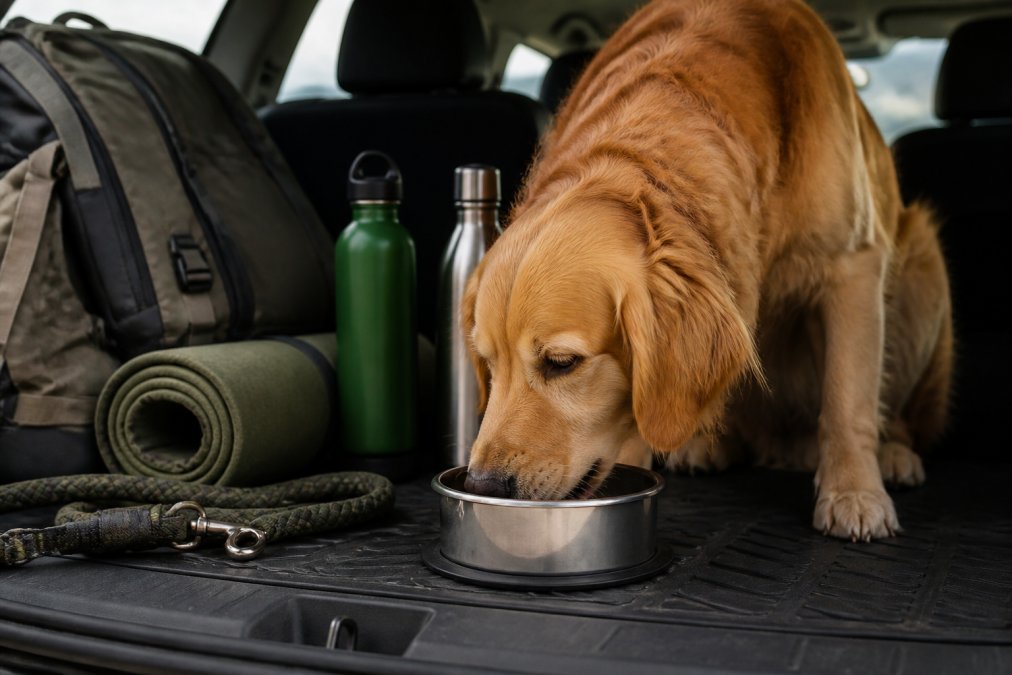
Stainless steel is more reliable here. It's heavier, but the weight is justified by stability and durability. If you're hiking frequently or carrying multiple dogs, the extra ounces add up. If you're hiking occasionally, the peace of mind of a bowl that won't fail is worth it.
Everyday Home Use
At home, portability doesn't matter. What matters is durability, ease of cleaning, and how well it holds up to daily use.
Stainless steel is the clear winner. It lasts years without degradation, cleans easily, and resists dents and damage. A ceramic bowl is fine if you're careful, but it's fragile if you have kids or other pets. A collapsible bowl is overkill and unnecessary when the bowl lives in your kitchen. Used daily at home, it will degrade faster than one used occasionally for travel.
Making Your Choice: What Actually Matters
The decision comes down to three questions: How often will you travel with your dog? How important is weight and space? How much are you willing to replace the bowl?
If you travel frequently or carry your dog on hiking trips, invest in a quality collapsible bowl designed for outdoor use. Expect to replace it every 2-3 years. Pair it with a stainless steel bowl for home use.
If you travel occasionally and weight doesn't matter, a stainless steel bowl works for both travel and home. You'll carry a bit more weight, but you'll keep the same bowl for a decade.
If you're a casual traveler who uses the bowl a few times per year, a collapsible bowl is convenient and cost-effective. Just understand that it will eventually degrade and need replacement.
Proudpetshop carries both collapsible and standard bowls, letting you choose based on your actual use case rather than marketing claims. The best bowl is the one you'll actually use consistently, so choose the option that fits your lifestyle.
The choice between a collapsible dog travel bowl and a standard bowl isn't about which is objectively better, it's about matching the tool to the job. A collapsible bowl transforms travel with a dog from logistically annoying to genuinely convenient. A standard bowl provides reliability and longevity that matters if you're using it daily or in demanding conditions. At Proudpetshop, we recommend assessing your travel frequency and terrain before deciding. With a 30-day satisfaction guarantee on every purchase, you can test either option and return it if it doesn't fit your needs. The right bowl is the one that makes feeding your dog easier, whether that's at home or on the trail.
Frequently Asked Questions
What is the best collapsible dog bowl for hiking?
Look for food-safe silicone or TPE bowls with a reinforced base for stability on uneven terrain. Lightweight models that fold flat and weigh under 3 ounces work best for backpacking. Check that the bowl has BPA-free certification and a capacity matching your dog's typical meal size. Bowls with carabiner attachments offer convenient attachment to your pack, and leak-proof designs prevent water waste during transport.
How do I slow down fast-eating dogs with the right bowl?
Slower feeders feature raised ridges or dividers that force dogs to eat around obstacles, reducing gulping. Collapsible bowls with textured interiors can provide this benefit while remaining portable. Stainless steel bowls with maze-like patterns also work well for home use. Pair the bowl choice with feeding smaller portions more frequently, and always supervise mealtime to monitor your dog's eating pace.
Are collapsible dog bowls safe for everyday home use?
Yes, when made from food-grade silicone or TPE and labeled BPA-free, collapsible bowls are safe for daily feeding. They're non-porous, dishwasher safe, and resist bacterial growth. However, standard ceramic or stainless steel bowls may offer better stability for dogs that push their bowls around. Collapsible bowls work best as travel or backup options rather than primary home feeders, though some pet owners prefer them for their space-saving design.
What's the difference between silicone, TPE, and plastic collapsible bowls?
Food-grade silicone is durable, heat-resistant, and maintains flexibility over years of use. TPE (thermoplastic elastomer) offers similar benefits with slightly better rigidity. Plastic bowls are cheaper but degrade faster, may leach chemicals if low-quality, and often crack under stress. For travel and hiking, silicone and TPE outperform plastic in longevity and safety, justifying the higher upfront cost.
This article was written using GrandRanker