
Table of Contents
- Signs Your Dog Needs Professional Grooming
- How Often Should Dogs Be Groomed
- Matted Dog Hair: When It Becomes a Health Issue
- Overgrown Nails and Dog Nail Trimming
- Ear Cleanliness and Dog Ear Cleaning
- Eye Discharge, Tear Staining, and Skin Concerns
- Groomer Versus Veterinarian: When to Seek Which Care
- Managing Shedding at Home Between Professional Grooming Sessions
- Frequently Asked Questions
Last Updated: October 14, 2026
Signs Your Dog Needs Professional Grooming
Your dog's coat tells a story. A healthy dog has a shiny, clean fur that feels soft to the touch. When that changes, it's time to pay attention.
Professional grooming isn't just about appearance. It's preventive care that catches health issues early and keeps your dog comfortable. At Proudpetshop, we help pet owners understand what their dogs are trying to tell them through visible signs of neglect or discomfort.
A dog needs grooming when you notice changes in their coat, skin, or overall cleanliness. These signs range from obvious matting to subtle shifts in odor or behavior. The key is recognizing them before minor issues become serious problems.
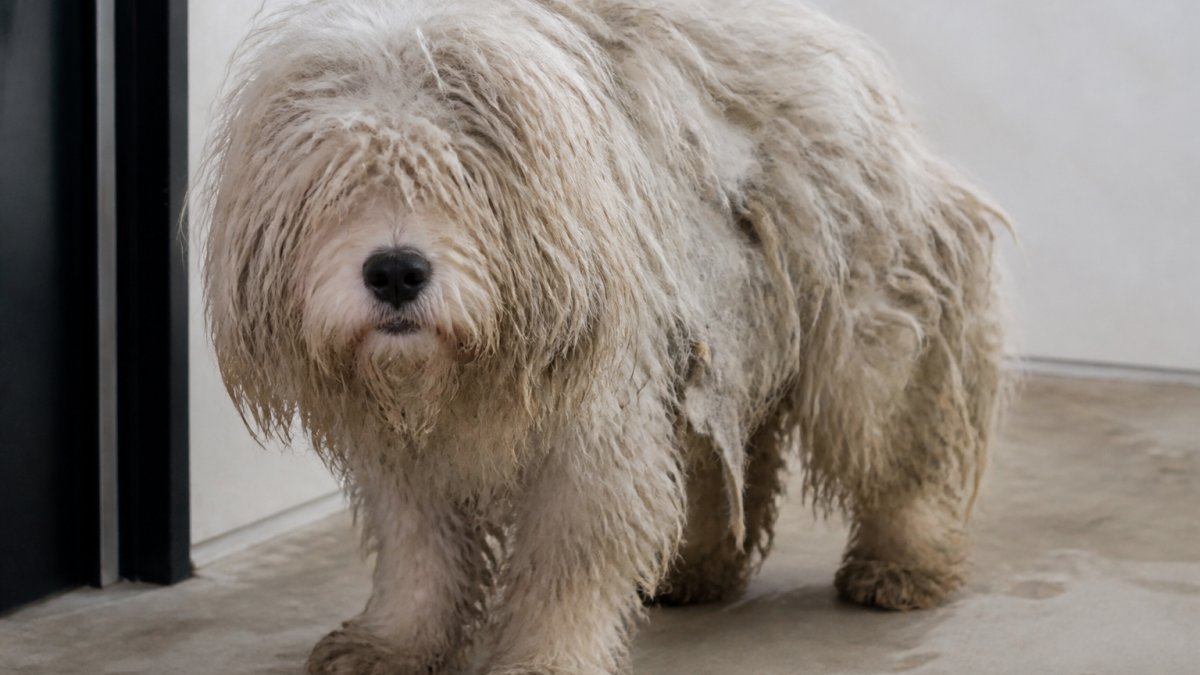
Visible Coat Problems: Dirty, Dull, and Matted Fur
A healthy coat reflects light and feels smooth when you run your hand through it. When fur loses its shine or feels rough and clumpy, your dog needs grooming attention.
Matted fur develops when loose hair tangles together and tightens against the skin. This happens fastest in dogs with longer or curly coats, but any dog can develop mats if their coat isn't brushed regularly.
Dull, lifeless fur signals that your dog's coat isn't getting proper care or that something else is wrong. Poor nutrition, skin conditions, or lack of regular bathing can all dull the coat.
Dirt buildup is the most obvious sign. If your dog's coat looks dingy or feels gritty when you touch it, they need a professional wash. Home baths don't always reach the undercoat, especially in double-coated breeds.
Unpleasant Body Odor
A healthy dog has a mild, natural scent. Strong odor means something needs attention.
Odor develops when bacteria and yeast build up on the skin and coat. This happens faster in dogs that swim frequently or live in humid climates. The smell intensifies if bathing is infrequent or if your dog has skin folds that trap moisture.
Some odor comes from anal glands that need expressing. Others signal ear infections, skin infections, or dental disease.
If your dog smells bad despite regular home baths, professional grooming is the next step.
Excessive Shedding and Coat Maintenance
All dogs shed. Some shed more than others depending on breed and season. But excessive shedding that covers your furniture and clothes in days means your dog needs professional grooming.
Heavy shedding periods happen twice yearly for most dogs, lasting several weeks. During these times, professional grooming removes loose fur before it ends up on your sofa. The Proud Pet Shop Deshedding Vacuum Kit ($59.99) helps manage shedding by capturing loose hair directly with suction rather than releasing it into the air.

Regular brushing at home reduces shedding.
If you're vacuuming daily or finding hair everywhere despite regular brushing, consider increasing your grooming efforts. This is especially important for breeds with double coats like Golden Retrievers, German Shepherds, and Huskies.
How Often Should Dogs Be Groomed
Grooming frequency depends on your dog's coat type, breed, lifestyle, and health. There's no one-size-fits-all answer.
Dogs with short, smooth coats need less frequent grooming than those with long or curly fur. A short-coated dog might need professional grooming every 8-12 weeks. A dog with a long, flowing coat needs it every 4-8 weeks.
Most dogs benefit from regular grooming as a baseline. This schedule keeps the coat healthy and prevents matting.
Grooming Frequency by Coat Type and Breed
Short-coated breeds (Beagles, Boxers, Labradors) need grooming every 8-12 weeks. Their coats shed heavily but don't mat easily.
Medium-coated breeds (Golden Retrievers, Collies, Australian Shepherds) need grooming every 6-8 weeks. These dogs have double coats that mat if neglected.
Long-coated breeds (Maltese, Shih Tzu, Poodles) need grooming every 4-6 weeks. Their coats mat quickly and require frequent attention to prevent skin issues.
Curly or wiry-coated breeds (Doodles, Terriers, Poodles) need grooming every 4-8 weeks depending on how curly the coat is. Curly coats tangle easily and require consistent care.
Age matters too. Senior dogs often benefit from more frequent grooming because their skin becomes more sensitive and they're less able to tolerate matting or skin irritation.
Matted Dog Hair: When It Becomes a Health Issue
Matted fur is more than a cosmetic problem. Mats pull on the skin, restrict movement, and create warm, moist environments where bacteria and parasites thrive.
Mats develop when loose hair wraps around live hair and tightens. The longer a mat sits, the tighter it becomes. Severe matting can restrict blood flow and cause pain when your dog moves.
Dogs with matted coats often have underlying skin issues, allergies, infections, or parasites. The mats trap moisture and prevent air circulation, making skin problems worse.
If your dog has severe matting, professional attention is urgent. Some mats are so tight they require sedation to remove safely.
Prevention is simpler than treatment. Brush your dog's coat 2-3 times weekly if they have a coat prone to matting. Use a slicker brush or dematting comb, not just a regular brush.
Overgrown Nails and Dog Nail Trimming
Long nails change how your dog walks. They can curl into the paw pad, causing pain and infection. They also make it harder for your dog to grip surfaces, affecting balance and posture.
You should be able to hear your dog's nails click on hard floors when they walk. If you can't hear them, they're too long.
Nail trimming is part of standard grooming. Many use grinders instead of clippers because grinding is gentler and causes less stress for anxious dogs.
Proud Pet Shop Deshedding Vacuum Kit →
The Proud Pet Shop Quiet Nail Grinder ($28.99) offers an alternative for at-home maintenance between professional appointments. Its ultra-quiet motor and minimal vibration make it less stressful for sensitive dogs compared to traditional clippers.

Nail trimming needs vary by dog. Dogs that walk on pavement regularly wear their nails down naturally. Dogs that walk mostly on grass or carpet need trimming every 3-4 weeks.
Ear Cleanliness and Dog Ear Cleaning
Healthy ears are clean, pink, and odor-free. Dirty ears with discharge, odor, or redness need attention.
Ear cleanliness matters because ears trap moisture and debris. Dogs with floppy ears or hair inside the ear canal are especially prone to buildup and infection. Professional ear cleaning removes wax and debris before problems develop.
Regular ear inspection catches issues early. Look inside your dog's ears weekly. Clean ears should be pale pink with minimal wax. Any discharge, redness, or strong odor is a sign something's wrong.
Signs of Ear Infection or Discharge
Ear infections are common in dogs, especially those with floppy ears or hair-covered ear canals. Signs include head shaking, scratching at the ears, discharge, redness, or a strong yeasty smell.
Discharge can be clear, yellow, or brown. Any discharge is abnormal and needs veterinary attention. Infections can spread deeper into the ear if left untreated, causing permanent hearing loss.
If your dog is scratching their ears or shaking their head frequently, this is a sign to see a veterinarian, not just a groomer. Groomers can clean ears as preventive care, but infections require veterinary treatment.
Ear cleaning removes buildup before infection develops. This is especially important for breeds prone to ear problems like Cocker Spaniels, Poodles, and Basset Hounds.
Eye Discharge, Tear Staining, and Skin Concerns
Clear eye discharge is normal. Thick, colored discharge or excessive tearing signals a problem.
Tear staining appears as reddish-brown streaks under the eyes. This happens when tears overflow or when bacteria in tear ducts cause staining. Some breeds are prone to tear staining due to eye shape or tear duct anatomy.
Excessive tearing can indicate allergies, eye infections, or blocked tear ducts. A veterinarian should evaluate any sudden increase in tearing or discharge.
Skin concerns visible during grooming include dryness, redness, rashes, lumps, or bumps.
If skin issues are noticed, describe what you saw to your veterinarian. This information helps your veterinarian diagnose problems. Some skin conditions are grooming-related (irritation from infrequent bathing), while others are medical (allergies, infections, parasites).
Groomer Versus Veterinarian: When to Seek Which Care
Understanding when to visit a groomer versus a veterinarian prevents delays in care.
Visit a groomer for:
- Regular coat maintenance and bathing
- Nail trimming
- Ear cleaning as preventive care
- Anal gland expression
- General coat assessment and recommendations
Visit a veterinarian for:
- Skin infections, rashes, or unusual lumps
- Ear infections with discharge or odor
- Eye discharge or excessive tearing
- Behavioral changes related to grooming (extreme anxiety, aggression)
- Parasites or suspected flea/tick infestation
- Hair loss or bald patches
- Wounds or injuries on the skin
The line blurs sometimes. A pet care professional might notice something that needs veterinary attention and recommend you see a vet. This is helpful, as they see dogs' skin and coats closely and can spot problems.
If your dog shows signs of infection, pain, or behavioral distress related to grooming, see a veterinarian first. Treating the underlying issue makes professional grooming safer and more comfortable.
Managing Shedding at Home Between Professional Grooming Sessions
Regular grooming removes loose fur, but shedding continues between appointments. Regular brushing reduces the amount of hair on your furniture and clothes.
Brush your dog's coat based on their coat type. Short-coated dogs need brushing once weekly. Long or curly-coated dogs need brushing 2-3 times weekly.
Use the right tools. Slicker brushes work well for long coats. Undercoat rakes remove loose hair from double-coated breeds.
The Proud Pet Shop Deshedding Vacuum Kit captures loose fur directly during brushing instead of releasing it into the air.
Bathing helps loosen dead hair. After bathing, use a high-velocity dryer or towel to remove moisture and loose fur.
| Coat Type | Brushing Frequency | Best Tool | Shedding Season |
|---|---|---|---|
| Short coat | Once weekly | Rubber curry brush | Moderate |
| Medium coat | 2-3 times weekly | Slicker brush | Heavy |
| Long coat | 3-4 times weekly | Dematting comb | Heavy |
| Curly coat | 3-4 times weekly | Undercoat rake | Moderate |
Regular brushing also strengthens your bond with your dog. Most dogs enjoy the attention and physical contact.
Recognizing when your dog needs professional grooming keeps them healthy and comfortable. Watch for visible coat changes, odor, matting, and nail overgrowth.
Frequently Asked Questions
How do I know if my dog needs professional grooming?
Your dog needs grooming when you notice matted or tangled fur, overgrown nails, unpleasant odor, excessive shedding, or visible dirt buildup in the coat. Other signs include ear discharge, tear staining, or skin irritation. A pet care professional can address these issues and perform a thorough inspection during a grooming session to catch early health concerns.
How often should dogs be groomed by a professional?
Grooming frequency depends on coat type and breed. Dogs with long or curly coats typically need grooming every 6-8 weeks, while short-coated breeds may need it every 8-12 weeks. High-shedding dogs benefit from regular grooming sessions to manage excessive shedding and maintain coat health. Consult a pet care professional for a schedule tailored to your dog's specific needs.
Can matted dog hair cause health problems?
Yes, matted fur can trap moisture, dirt, and parasites against the skin, leading to irritation, infections, and hot spots. Severe mats can also restrict blood flow and cause discomfort or pain. Pet care professionals can safely remove mats and inspect the skin underneath for any signs of damage or infection that may need veterinary attention.
Should I take my dog to a groomer for nail trimming, or can I do it at home?
While at-home nail trimming is possible with the right tools, pet care professionals have experience handling anxious dogs and preventing over-trimming that can cause bleeding. If your dog has dark nails or is nervous, a professional is safer. For regular maintenance between grooming sessions, consider a quiet nail grinder like the Proud Pet Shop Quiet Nail Grinder ($28.99), which reduces stress and vibration for sensitive pets.