
Table of Contents
- Why Front-Hugging Carriers Work for Trail Adventures
- How to Measure Your Dog for a Carrier
- Understanding Dog Carrier Weight Limits and Capacity
- Essential Features: Ventilation, Padding, and Load Distribution
- Safety Tips for Hiking with Small Dogs in Carriers
- Best Front-Facing Dog Carriers for Hiking
- Training Your Dog to Accept a Front-Hugging Carrier
- Conclusion
Last Updated: August 29, 2026
Why Front-Hugging Carriers Work for Trail Adventures
A front-hugging dog carrier transforms how you hike with small companions. Unlike traditional backpacks that position your pet behind you, front-facing designs keep your dog close to your body, distributing weight evenly across your shoulders and core. This proximity matters for both comfort and safety on the trail.
The real advantage goes beyond convenience. When your dog rides in front, you maintain better balance on uneven terrain. Your center of gravity stays centered rather than shifted backward, reducing strain on your lower back and knees (peer-reviewed research). For longer hikes, this ergonomic difference compounds, by mile three, your body will thank you.
Front-hugging carriers also strengthen the bond between you and your pet. Your dog stays calm because it can see your face and feel your presence directly. Anxious dogs settle faster in front carriers than in back-mounted alternatives. This behavioral benefit isn't trivial when you're navigating switchbacks or crossing streams.
The carrier design itself matters. Quality front-facing carriers feature breathable mesh panels, padded shoulder straps, and load-balancing architecture. These aren't luxury features, they're functional necessities for multi-hour outings. A poorly designed carrier turns a pleasant hike into an endurance test.
How to Measure Your Dog for a Carrier
Getting the right size is non-negotiable. An oversized carrier shifts inside the pack, throwing off weight distribution. An undersized one restricts your dog's movement and creates pressure points. Accurate measurement prevents both problems.
Taking Accurate Measurements
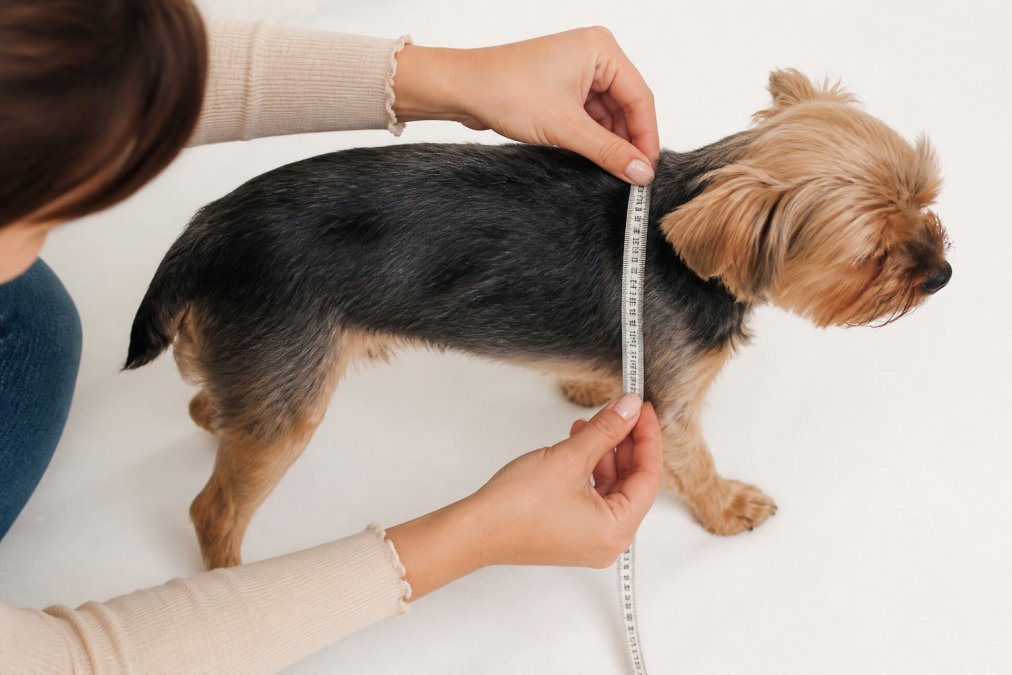
Start with three key measurements: snout-to-tail length, chest circumference, and weight. Use a soft measuring tape, not a ruler. Have someone help if possible, a restless dog makes self-measurement unreliable.
Measure snout-to-tail by placing the tape at the tip of your dog's nose and running it along the spine to the base of the tail. Keep the tape snug but not tight. Record this in inches. Next, wrap the tape around the widest part of the chest, just behind the front legs. This circumference determines whether your dog fits comfortably without confinement tolerance issues.
Weight is straightforward but critical. Use a bathroom scale: weigh yourself alone, then weigh yourself holding your dog. Subtract your weight from the total. Many pet owners underestimate their dog's weight, so verify it twice.
Using a Size Chart
Once you have measurements, consult the carrier's size chart. Reputable manufacturers provide detailed charts that cross-reference length, chest circumference, and weight. Look for carriers that accommodate a range rather than exact matches, a chart listing "fits dogs 8-12 lbs" is more realistic than "fits 10 lb dogs only."
Pay attention to the carrier's internal dimensions, not just weight capacity. A carrier rated for 15 pounds might feel cramped for a lean 12-pound dog with longer proportions. Check reviews from owners with similar-sized pets to gauge real-world fit.
Understanding Dog Carrier Weight Limits and Capacity
Weight limits exist for two reasons: structural integrity and your physical safety. Exceeding a carrier's weight capacity doesn't just risk the product, it risks your stability on the trail and your dog's security inside.
Most front-hugging carriers max out at 12-20 pounds (aafco.org). This reflects realistic hiking scenarios. A 20-pound dog in a carrier, plus the carrier's own weight (typically 1-3 pounds), creates a 22-23 pound load against your front. Beyond that, weight distribution becomes problematic even with padded straps.
The Proud Pet Shop Sidekick Sling, for example, accommodates pets up to 15 pounds comfortably. This capacity suits most small breeds, Chihuahuas, toy poodles, small dachshunds, and similar sizes. If your dog exceeds this weight, you'll need a larger backpack-style carrier or alternative carrying method.

Don't assume your dog's current weight is permanent. Growing puppies gain pounds monthly. If you're buying a carrier for a young dog, measure now but plan for its adult weight. A carrier you'll outgrow in six months is poor value.
Essential Features: Ventilation, Padding, and Load Distribution
The difference between a carrier that works and one that frustrates you comes down to three features: how air flows, how weight sits, and how the straps feel after two hours of hiking.
Breathable Mesh and Airflow
Your dog generates heat inside an enclosed space. Without proper ventilation, body temperature rises quickly, creating stress and discomfort. Quality carriers use breathable mesh panels on multiple sides, front, back, and bottom.
Look for mesh that's fine enough to contain small paws but open enough for genuine airflow. Cheap mesh looks ventilated but restricts airflow. The best carriers use multi-panel mesh designs that create cross-ventilation, pulling cool air through as you move.
Weather matters here. On warm days, ventilation is essential. On cooler days, you might appreciate the mesh's insulating properties. Either way, breathable fabric beats solid panels for year-round hiking.
Padded Straps and Spinal Support
Shoulder straps distribute the carrier's weight across your shoulders and upper back. Thin, unpadded straps dig into muscle and nerve tissue, causing numbness and pain within an hour. Padded straps spread pressure across a wider surface area, reducing localized stress.
The best straps feature multi-layer padding with a breathable outer layer. This prevents sweat buildup while maintaining cushioning. Adjustable straps let you customize fit, your dog shouldn't be the same height on every body type.
Spinal alignment matters too. The carrier's back panel should conform to your natural posture, not force you into an unnatural curve. Carriers with structured back panels maintain proper alignment better than soft, unstructured designs. Your spine will feel the difference by mile two.
Weight Distribution and Ergonomic Design
How a carrier distributes weight determines whether hiking feels effortless or exhausting. Ideal weight distribution centers the load directly over your hips and core, not suspended from your shoulders alone.
The carrier's construction achieves this through design. A wider base distributes weight laterally across your torso. Hip straps, when included, transfer some load from shoulders to hips, where your body is stronger. Carriers lacking these features force your shoulders to bear 100% of the load, causing fatigue.
The center of gravity matters for balance. A carrier that sits too high on your chest throws your balance forward. One that sits too low creates awkward use. The sweet spot is mid-chest, with the carrier's weight centered directly in front of your body's center.
Safety Tips for Hiking with Small Dogs in Carriers
A carrier keeps your dog secure, but hiking itself introduces risks. Proper preparation minimizes them.
Secure your dog with a safety tether inside the carrier. This prevents escape if the carrier's zipper fails or your dog panics. The tether should be short enough to prevent tangling but long enough for basic movement. A quick-release buckle lets you free your dog quickly in an emergency.
Check the carrier's attachment points before each hike. Zippers should slide smoothly without catching. Buckles should click firmly into place. Seams should show no fraying or separation. A five-minute pre-hike inspection prevents mid-trail failures.
Monitor your dog's temperature during the hike. Panting is normal; excessive drooling or lethargy signals overheating. Stop in shade and offer water if your dog shows stress signs. Small dogs overheat faster than large breeds, so err on the side of caution (the NIH).
Stay alert to terrain. Rocky trails and dense brush can snag carriers or create pressure points. Avoid overhanging branches that might strike your dog's head. Wade through water carefully, a wet carrier becomes heavier and loses some insulating properties.
Keep your dog's nails trimmed. Long nails can catch on mesh, creating escape routes or damaging the carrier. This simple maintenance step extends carrier lifespan and prevents injury.
Best Front-Facing Dog Carriers for Hiking
Two carriers stand out for front-hugging hiking: the Proud Pet Shop TrailFold Carrier and the Proud Pet Shop Sidekick Sling. Both prioritize the ergonomic features and safety standards that matter on the trail.

Proud Pet Shop TrailFold Carrier
The TrailFold Carrier ($34.99) transforms between front and back carrying modes, adapting to your hiking needs. Front mode keeps your dog close for bonding and visibility. Back mode shifts weight to your hips for longer distances, reducing shoulder strain.
The carrier features adjustable straps that conform to different body sizes. Breathable mesh panels on front and sides ensure airflow without creating weak points. A removable, washable pad adds comfort for your dog while remaining easy to clean after muddy trails.
The safety leash attachment and harness-like zipper lock give you multiple containment options. You can tether your dog inside the carrier for extra security or use the zipper lock alone for shorter outings. This flexibility suits different comfort levels and hiking scenarios.
The TrailFold's structured back panel maintains spinal alignment during extended wear. The carrier's 20-pound capacity suits most small breeds, from toy poodles to small terriers.
Proud Pet Shop Sidekick Sling
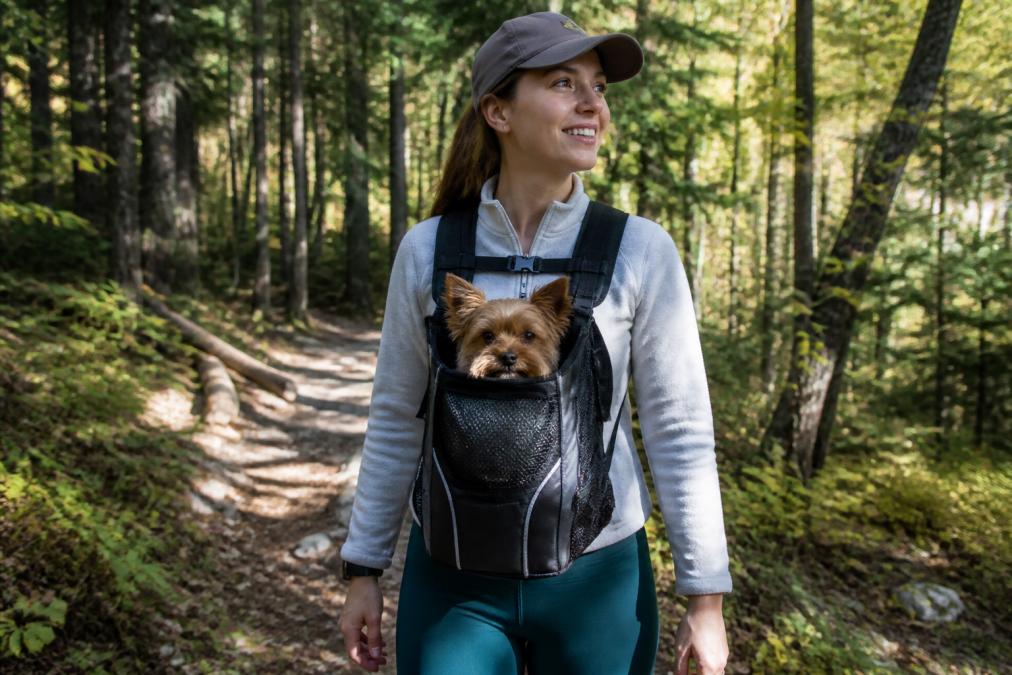
The Sidekick Sling ($28.99) takes a minimalist approach, prioritizing lightweight convenience over versatility. At under two pounds, it's the lightest option for short day hikes or urban adventures.
The sling's adjustable strap fits most body types without additional sizing. Breathable panels keep your dog cool while the soft buckle-close design ensures security. The 15-pound weight limit suits dogs up to small-medium size.
The Sidekick shines for pet owners who want hands-free carrying without the bulk of a full backpack. It's compact enough to pack into a day pack when empty, making it ideal for hiking trips where you might not need the carrier the entire time. The soft construction also makes it easier to stuff into car trunks or closets when not in use.
This carrier works best for dogs already comfortable with close contact. Anxious dogs sometimes feel restricted by the sling's snug design. If your dog struggles with confinement tolerance, the TrailFold's roomier design might be better.
Training Your Dog to Accept a Front-Hugging Carrier
A new carrier feels strange to your dog. Without proper introduction, even a well-designed carrier creates anxiety. Gradual desensitization prevents this problem.
Start indoors with the carrier sitting open on the floor. Let your dog explore it freely. Toss treats inside. Leave the carrier accessible for several days without any pressure. Your dog should view it as a safe space, not a trap.
Next, place your dog inside the closed carrier for 30 seconds while you're present. Reward calm behavior with treats and praise. Gradually extend the time to one minute, then five minutes. Your dog learns that being inside the carrier leads to positive outcomes.
Practice wearing the carrier around your home without hiking. Walk through rooms, go up stairs, move around normally. Your dog becomes accustomed to the sensation of being carried while you move. This step prevents panic on the actual trail.
Take short walks before committing to a full hike. A 10-minute neighborhood walk in the carrier teaches your dog what to expect. Praise calm behavior throughout. Repeat this several times before attempting a longer trail.
Watch for stress signals: excessive panting, whining, or struggling. These indicate your dog isn't ready for the next step. Slow down the introduction process. Some dogs need two weeks; others need a month. Patience pays off with a confident hiking companion.
Choosing the right front-hugging dog carrier transforms small-dog hiking from logistical challenge to genuine adventure. The features that matter, breathable mesh, padded straps, weight distribution, and safety attachments, directly impact your comfort and your dog's wellbeing on the trail. At Proudpetshop, we've designed the TrailFold Carrier and Sidekick Sling to prioritize both. The TrailFold's dual-mode flexibility and structured support suit longer hikes and varied terrain, while the Sidekick's lightweight design excels for quick outings and urban adventures. Both carry a 30-day satisfaction guarantee, so you can test them on actual trails risk-free. Start with accurate measurements, introduce your dog gradually, and you'll have a hiking partner that stays calm, comfortable, and secure mile after mile.
=== FAQ ANSWERS (audit these too, same rules) ===
[1] Q: How do I measure my dog for a front-facing carrier? A: Measure your dog's length from the base of the neck to the tail, and the width across the chest at its widest point. Use a soft measuring tape and keep your dog standing naturally. Compare these measurements to the carrier's size chart, most front-hugging carriers list dimensions in inches. A proper fit allows your dog to turn slightly and breathe comfortably without excess space that causes shifting during hiking.
[2] Q: What weight limits should I look for in a hiking dog carrier? A: Most front-hugging carriers designed for hiking support dogs between 8 and 20 pounds. The Proud Pet Shop Sidekick Sling, for example, handles pets up to 15 lbs comfortably. Check the carrier's weight capacity and ensure your dog stays within that range, exceeding limits stresses the straps, reduces your stability on trails, and compromises your dog's safety and comfort during extended hikes.
[3] Q: Are front-hugging dog carriers safe for hiking? A: Yes, when chosen correctly. Front-hugging carriers keep your hands free for balance on uneven terrain, and the close positioning lets you monitor your dog's breathing and temperature. Look for carriers with safety tethers, secure quick-release buckles, and harness attachments. Ensure the carrier has ventilation mesh to prevent overheating, and always start with short hikes to let your dog adjust before tackling longer trails.
[4] Q: How long can my dog stay in a front-hugging carrier while hiking? A: Most dogs tolerate 1 to 2 hours comfortably in a carrier during active hiking. Start with shorter 20-30 minute outings to build confinement tolerance and let your dog acclimate to the experience. Watch for signs of stress or overheating, panting, whining, or restlessness. Take breaks in shaded areas, offer water, and consider rotating between carrying and letting your dog walk on a short leash if the terrain permits.
Frequently Asked Questions
How do I measure my dog for a front-facing carrier?
Measure your dog's length from the base of the neck to the tail, and the width across the chest at its widest point. Use a soft measuring tape and keep your dog standing naturally. Compare these measurements to the carrier's size chart, most front-hugging carriers list dimensions in inches. A proper fit allows your dog to turn slightly and breathe comfortably without excess space that causes shifting during hiking.
What weight limits should I look for in a hiking dog carrier?
Most front-hugging carriers designed for hiking support dogs between 8 and 20 pounds. The Proud Pet Shop Sidekick Sling, for example, handles pets up to 15 lbs comfortably. Check the carrier's weight capacity and ensure your dog stays within that range, exceeding limits stresses the straps, reduces your stability on trails, and compromises your dog's safety and comfort during extended hikes.
Are front-hugging dog carriers safe for hiking?
Yes, when chosen correctly. Front-hugging carriers keep your hands free for balance on uneven terrain, and the close positioning lets you monitor your dog's breathing and temperature. Look for carriers with safety tethers, secure quick-release buckles, and harness attachments. Ensure the carrier has ventilation mesh to prevent overheating, and always start with short hikes to let your dog adjust before tackling longer trails.
How long can my dog stay in a front-hugging carrier while hiking?
Most dogs tolerate 1 to 2 hours comfortably in a carrier during active hiking. Start with shorter 20-30 minute outings to build confinement tolerance and let your dog acclimate to the experience. Watch for signs of stress or overheating, panting, whining, or restlessness. Take breaks in shaded areas, offer water, and consider rotating between carrying and letting your dog walk on a short leash if the terrain permits.
This article was written using GrandRanker