
Table of Contents
- Why Your Dog's Eating Speed Matters
- How to Slow Down Fast Eating Dogs
- Benefits of Slow Feeder Bowls for Dogs
- Slow Feeder Bowl Designs and How They Work
- Choosing the Right Material and Size for Your Slow Feeder Bowl
- Cleaning and Maintenance for Long-Term Use
- Assessing Your Dog's Eating Style and Needs
- Conclusion
Last Updated: August 30, 2026
Why Your Dog's Eating Speed Matters
Fast eating is more than just a messy mealtime habit. When dogs gulp their food without chewing, they swallow air along with kibble, a condition called aerophagia (peer-reviewed research). This can lead to bloating, regurgitation, and in severe cases, gastric dilatation-volvulus (GDV), a life-threatening emergency where the stomach twists on itself (vin.com).
Dogs that eat too quickly also miss the satiety signals their brain needs to feel full. This means they consume more calories than necessary, contributing to weight gain and related health problems. Beyond the physical risks, fast eating prevents dogs from engaging their natural foraging instincts, which provide mental stimulation and behavioral enrichment during what should be an interactive mealtime experience.
Understanding your dog's eating style is the first step toward choosing the right slow feeder bowls. Not every dog needs the same solution, and not every design works equally well for all breeds and sizes. This guide from Proudpetshop covers everything you need to know about selecting slow feeder bowls that match your dog's specific needs, eating habits, and health requirements.
How to Slow Down Fast Eating Dogs
The most direct approach to slowing down a fast eater is to introduce friction into the eating process. Instead of allowing your dog to inhale an entire bowl of kibble in seconds, slow feeder bowls force deliberate, measured consumption by creating physical barriers between the food and your dog's mouth.
Beyond bowl design, portion control plays a role. Dividing meals into smaller portions and feeding them separately throughout the day naturally reduces the amount available at any single sitting. Some owners also add water to dry kibble to increase volume without adding calories, which makes the meal feel more substantial and takes longer to consume.
Interactive feeding methods, using puzzle feeders, sniffing mats, or treat-dispensing toys, transform mealtime into an activity that engages your dog's problem-solving abilities. This approach serves dual purposes: it slows consumption and provides mental stimulation that tires dogs out without requiring a walk.
Benefits of Slow Feeder Bowls for Dogs
Slow feeder bowls directly address the root cause of digestive distress in fast eaters. By forcing your dog to work around raised ridges or navigate maze patterns, these bowls increase eating time from seconds to several minutes. This allows the stomach to send fullness signals to the brain, reducing overall food consumption and supporting healthier weight management.
The reduction in air swallowing significantly lowers the risk of bloating and regurgitation. Dogs that previously vomited shortly after meals often see improvement within days of switching to a slow feeder. For dogs at higher risk of GDV, including deep-chested breeds like Great Danes, German Shepherds, and Standard Poodles, slow feeders serve as a preventive measure against a potentially fatal condition (avma.org).
Mealtime also becomes an opportunity for behavioral enrichment. Dogs must focus, use their nose to locate kibble, and engage problem-solving skills rather than simply consuming on instinct. This mental engagement reduces anxiety-related behaviors and can help tire dogs out, particularly useful for high-energy breeds or dogs with destructive tendencies when bored.
Slow Feeder Bowl Designs and How They Work
Maze and Ridge Patterns
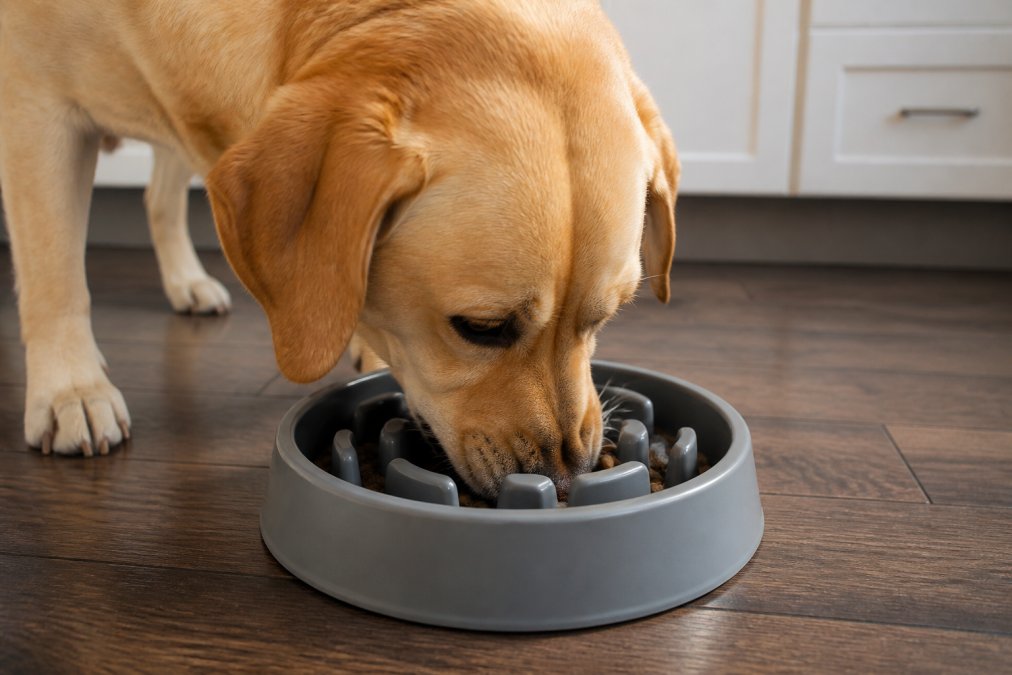
Maze and ridge slow feeders use raised patterns molded into the bowl's interior surface. As your dog eats, their tongue and snout must navigate around these ridges to access kibble in the grooves and valleys. The design forces the dog to lick and work around obstacles rather than gulp, dramatically increasing eating time.
Ridge patterns work particularly well for dogs with moderate eating speeds. They're simple, effective, and easy to clean. Maze patterns, which feature more complex, interwoven pathways, provide greater resistance and are better suited for extremely fast eaters or dogs that need maximum mental engagement.
The Proud Pet Shop Slow-Feeding System uses textured ridges that require slow, deliberate licking and engagement with each bite. This design is particularly effective for dogs that inhale kibble without chewing, as the ridges force contact with the food rather than allowing it to bypass the dog's mouth entirely.

Puzzle Feeders and Interactive Options
Puzzle feeders take the concept further by requiring active problem-solving. These designs typically feature compartments, sliding pieces, or rotating sections that must be manipulated to access food. Some use treat-dispensing mechanisms where kibble releases gradually as the dog nudges, paws, or spins the puzzle.
The Proud Pet Shop IQ Treat Puzzle is an adjustable-difficulty puzzle feeder that converts snack time into active playtime. Dogs must nose, paw, and nudge the unit to release treats gradually, turning a five-minute meal into a 20-30 minute engagement session. The adjustable difficulty levels allow you to increase the challenge as your dog learns the mechanics.
Sniffing mats, like the Proud Pet Shop Sniffing Petal Mat, hide kibble between folded felt petals. Dogs must use their nose to locate and extract each piece, engaging their natural foraging instincts. This approach is particularly effective for dogs that need mental stimulation and can be used with both dry kibble and wet food.
Puzzle feeders and interactive options provide the greatest behavioral enrichment but require more active participation from your dog. They're ideal for intelligent breeds, high-energy dogs, or owners who want to transform mealtime into a training and engagement opportunity.
Choosing the Right Material and Size for Your Slow Feeder Bowl
Material Safety and Durability
The material your slow feeder bowl is made from directly impacts safety, longevity, and ease of cleaning. Food-grade silicone is durable, flexible, and dishwasher safe. It resists staining and odor absorption better than plastic, and won't crack or splinter if your dog chews on the bowl edges.
Ceramic and stainless steel offer superior durability for aggressive chewers, though ceramic can chip if dropped and stainless steel can dent. Plastic bowls are lightweight and affordable but tend to retain odors, can develop cracks that harbor bacteria, and may contain BPA or other chemicals if not explicitly labeled as food-grade.
When selecting a material, prioritize food-grade certification and avoid anything with a strong chemical smell. If your dog has a history of chewing bowl edges, stainless steel or ceramic is safer than plastic. For dogs with sensitive skin or allergies, silicone is often the best choice as it minimizes contact with potentially irritating materials.
Sizing for Your Dog's Breed and Eating Habits
Bowl size should accommodate your dog's typical meal portion without overflowing, while keeping the feeding surface appropriately sized for your dog's snout. A bowl that's too large makes it difficult for smaller dogs to reach food in the center, while a bowl that's too small overflows and defeats the purpose of the slow feeder design.
For small breeds (under 15 pounds), choose bowls with 1-2 cup capacity. Medium breeds (15-50 pounds) typically need 2-4 cup capacity, while large breeds (50+ pounds) require 4-6 cup bowls or larger. Consider your dog's typical daily food intake and divide by the number of meals, that volume should fit comfortably in your chosen bowl.
The depth of the bowl also matters. Shallow bowls work better for dogs with shorter snouts or those prone to ear infections (since ears don't dip into food), while deeper bowls suit dogs with longer snouts. Test your dog's eating posture with a candidate bowl before committing to purchase.
Special Considerations for Senior and Brachycephalic Dogs
Senior dogs often have dental issues, arthritis, or difficulty bending down to eat. While slow feeders are beneficial for digestion, elevated feeders combined with a slow feeder bowl provide the comfort senior dogs need. Raised bowls reduce strain on the neck and joints, making mealtime less painful.
Brachycephalic breeds, Bulldogs, Pugs, Boston Terriers, Shih Tzus, have shortened snouts and breathing difficulties. Standard slow feeder bowls with deep maze patterns can actually worsen breathing problems by forcing the dog's face deeper into the bowl. For these breeds, choose shallow slow feeders or ridge patterns that allow the dog to eat with their head higher and snout less compressed.
Brachycephalic dogs also tend to overheat during meals, so choose materials that don't retain heat. Silicone and stainless steel are better choices than plastic for these breeds. Always monitor your brachycephalic dog during meals to ensure they're not struggling to breathe while eating.
Cleaning and Maintenance for Long-Term Use
Slow feeder bowls require more thorough cleaning than standard bowls because food particles lodge in ridges, maze patterns, and puzzle compartments. Hand washing with a bottle brush or small cleaning brush ensures you reach all grooves and prevent bacterial growth.
Most food-grade silicone and stainless steel slow feeders are dishwasher safe, which simplifies cleaning significantly. However, hand washing is more effective for removing stubborn food residue from intricate designs. Soak bowls in hot water for 10-15 minutes before scrubbing to loosen dried food.
Inspect your slow feeder regularly for cracks, discoloration, or odor that indicates bacterial colonization. Silicone bowls can develop permanent stains over time, but this is cosmetic and doesn't affect function. If odors persist after washing, soak the bowl in a solution of equal parts white vinegar and water for several hours.
Replace slow feeder bowls annually or whenever you notice damage. Even small cracks can harbor harmful bacteria and pose choking or injury risks. Proper storage, in a clean, dry location away from direct sunlight, extends bowl lifespan and prevents material degradation.
| Slow Feeder Type | Best For | Cleaning Difficulty | Durability | Cost |
|---|---|---|---|---|
| Ridge pattern | Moderate fast eaters | Easy | High | Low |
| Maze pattern | Extreme fast eaters | Moderate | High | Moderate |
| Puzzle feeder | High mental stimulation needs | Moderate to Hard | Moderate | Moderate to High |
| Sniffing mat | Natural foraging engagement | Easy | Moderate | Low to Moderate |
Assessing Your Dog's Eating Style and Needs
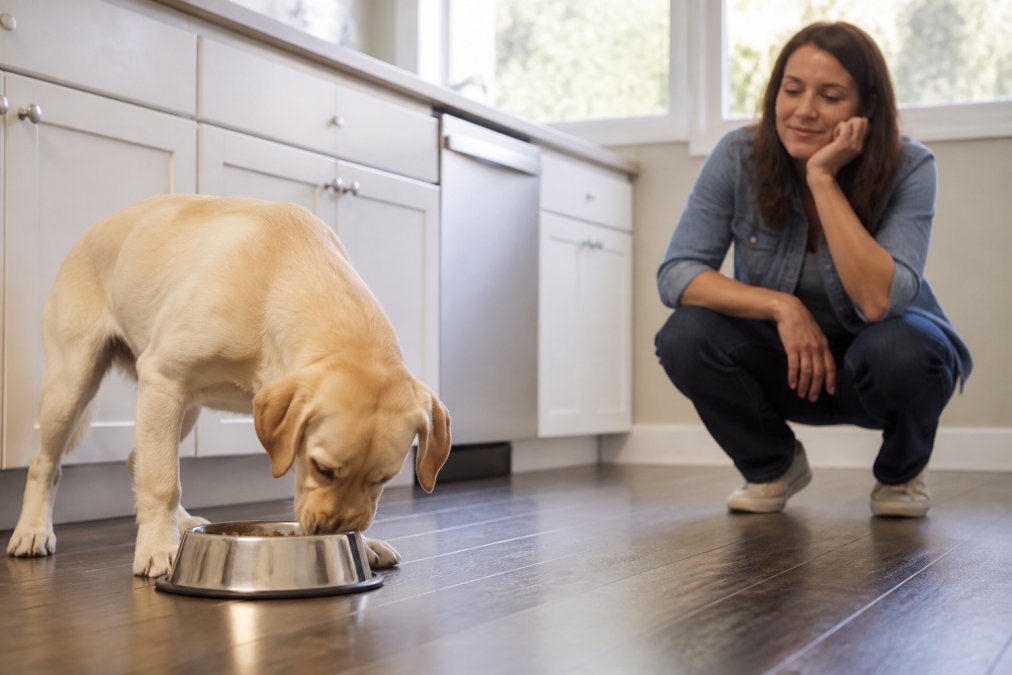
Before purchasing a slow feeder bowl, observe your dog's eating behavior during regular meals. How quickly does your dog finish a standard bowl? Do they chew kibble or swallow whole pieces? Does your dog show signs of bloating, regurgitation, or excessive drooling after eating? Do they guard their bowl or show anxiety around mealtimes?
Fast eaters typically finish a full bowl in under 30 seconds. If your dog eats this quickly, a slow feeder is necessary. Extreme fast eaters, those finishing in 5-10 seconds, benefit from puzzle feeders or sniffing mats that provide maximum resistance.
Watch whether your dog engages with food mentally or just consumes mechanically. Dogs that sniff around the bowl and investigate each piece before eating show natural foraging behavior and will benefit from interactive feeders. Dogs that simply inhale food need the most basic friction-based design.
Consider your dog's health history. Dogs with a history of bloating, vomiting, or GDV need slow feeders as a medical intervention, not just a behavioral tool. Dogs with dental disease may struggle with complex puzzle designs and need simpler ridge patterns instead.
Your lifestyle also factors into the decision. If you work long hours and feed your dog once daily, a slow feeder extends eating time and provides mental engagement during your absence. If you feed multiple smaller meals throughout the day, a simpler ridge pattern may suffice since meals are already distributed.
Choosing the right slow feeder bowl requires understanding both your dog's individual eating patterns and the specific design features that address those patterns. The Proud Pet Shop Slow-Feeding System offers food-grade silicone construction with textured ridges that work for most fast eaters, while the Proud Pet Shop Sniffing Petal Mat and Proud Pet Shop IQ Treat Puzzle provide greater mental engagement for dogs that need interactive enrichment alongside slower eating. All three options come with Proudpetshop's 30-day satisfaction guarantee, ensuring you can find the right fit for your dog's needs without risk.

Frequently Asked Questions
Do vets recommend slow feeder bowls for fast eaters?
Yes, veterinarians commonly recommend slow feeder bowls for dogs that eat too quickly. Fast eating can trigger bloat (gastric dilatation-volvulus), regurgitation, and digestive upset. Slow feeders force dogs to eat at a measured pace, reducing the risk of these serious health issues. If your dog gulps food or shows signs of digestive distress, ask your vet which slow feeder bowl design would suit your dog's specific needs and dietary requirements.
What is the best material for a slow feeder bowl?
Food-grade silicone, ceramic, and stainless steel are the safest and most durable materials for slow feeder bowls. Silicone is flexible and non-slip, making it ideal for dogs that push bowls around. Ceramic is heavy and stable but can chip. Stainless steel is the most durable and dishwasher-safe. Avoid plastic bowls, as they can crack, harbor bacteria, and leach chemicals. Look for BPA-free, food-grade materials that won't degrade with daily use and frequent washing.
How do I determine the right size slow feeder for my dog?
Match the bowl capacity to your dog's typical meal portion. A bowl that's too small will require multiple refills and frustrate your dog; one that's too large won't slow eating effectively. Measure your dog's usual daily kibble amount and choose a bowl that holds about one meal's worth. Consider your dog's height too, the bowl should sit at chest level to reduce strain on the neck and shoulders. Measure from your dog's chest to the ground, then select a bowl height accordingly.
How should I clean slow feeder bowls to prevent bacteria buildup?
Wash slow feeder bowls immediately after each meal with hot soapy water, using a brush to reach the crevices in maze patterns and ridges where food debris hides. If the bowl is dishwasher-safe, run it on a hot cycle daily. Soak stubborn food residue in warm water for 15 minutes before scrubbing. Inspect for cracks or wear monthly, damaged bowls trap bacteria and pose choking hazards. Replace bowls every 12-18 months if they show significant wear or discoloration.
This article was written using GrandRanker