
Table of Contents
- Why Elevated Dog Bowls Matter for Senior Dogs
- Arthritis Relief: How Elevated Bowls Help Dogs With Joint Pain
- Elevated Bowls and Bloat: Separating Fact From Fiction
- How to Slow Down Fast Eating Dogs With Proper Bowl Setup
- Choosing the Right Height and Design for Your Senior Dog
- Material Safety, Hygiene, and Maintenance
- Signs Your Senior Dog Needs an Elevated Feeding Station
Last Updated: August 28, 2026
Why Elevated Dog Bowls Matter for Senior Dogs
Is an elevated dog bowl good for senior dogs? Yes. An elevated dog bowl significantly improves the eating experience for aging dogs by reducing strain on their neck, spine, and joints during feeding. For senior dogs dealing with arthritis, mobility issues, or digestive challenges, the right feeding setup can make the difference between comfortable meals and painful ones.
Most senior dogs experience some degree of joint deterioration as they age. When a dog bends down to eat from a floor-level bowl, they're forcing their cervical spine and front legs into positions that exacerbate existing pain. Elevated bowls bring food closer to mouth height, eliminating that awkward downward stretch. This simple adjustment addresses one of the most overlooked aspects of senior dog care: ergonomic feeding.
The benefits extend beyond comfort. Elevated bowls can help with swallowing difficulty, reduce bloating risk, and slow down rapid eating that leads to digestive upset. For multi-pet households, they also create designated feeding zones that prevent competition and spillage.
The key is choosing the right height and design for your specific dog. Not all elevated bowls are created equal, and the wrong setup can actually cause more problems than it solves.
Arthritis Relief: How Elevated Bowls Help Dogs With Joint Pain
Arthritis is one of the most common conditions affecting senior dogs, and feeding posture directly impacts pain levels during meals (vin.com). When a dog with osteoarthritis eats from a floor bowl, they're placing their entire body weight on arthritic joints while bending their neck downward at an unnatural angle.
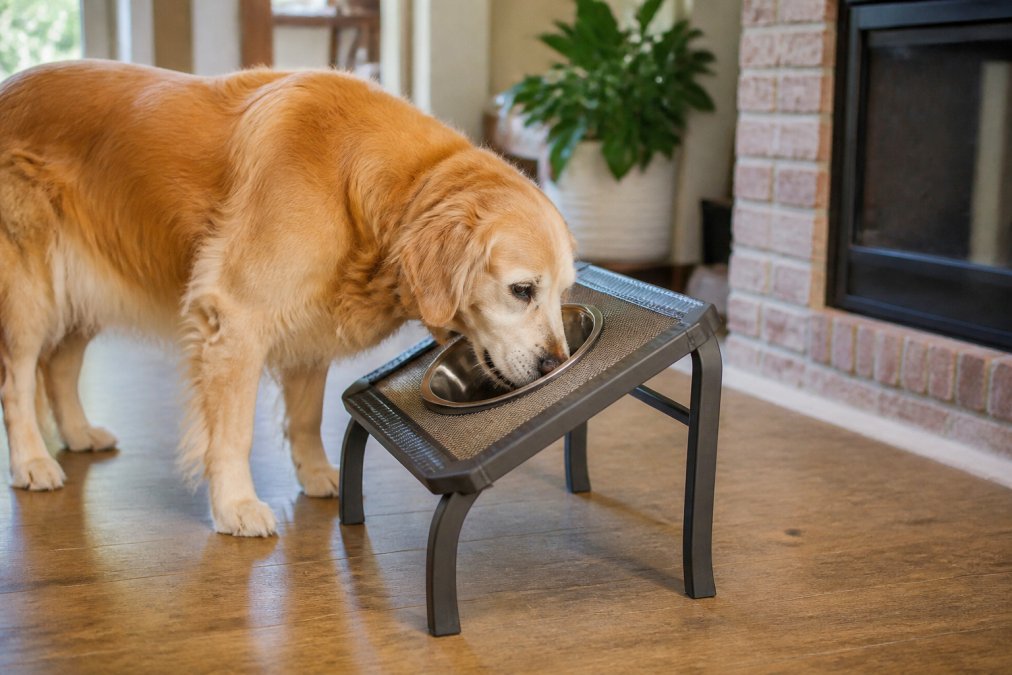
An elevated dog bowl for senior dogs with arthritis reduces this strain by positioning the food at a height that keeps the spine neutral and the front legs in a more comfortable stance. The dog's neck stays aligned with their spine rather than forced into flexion. This is especially important for dogs with cervical pain or those recovering from spinal issues.
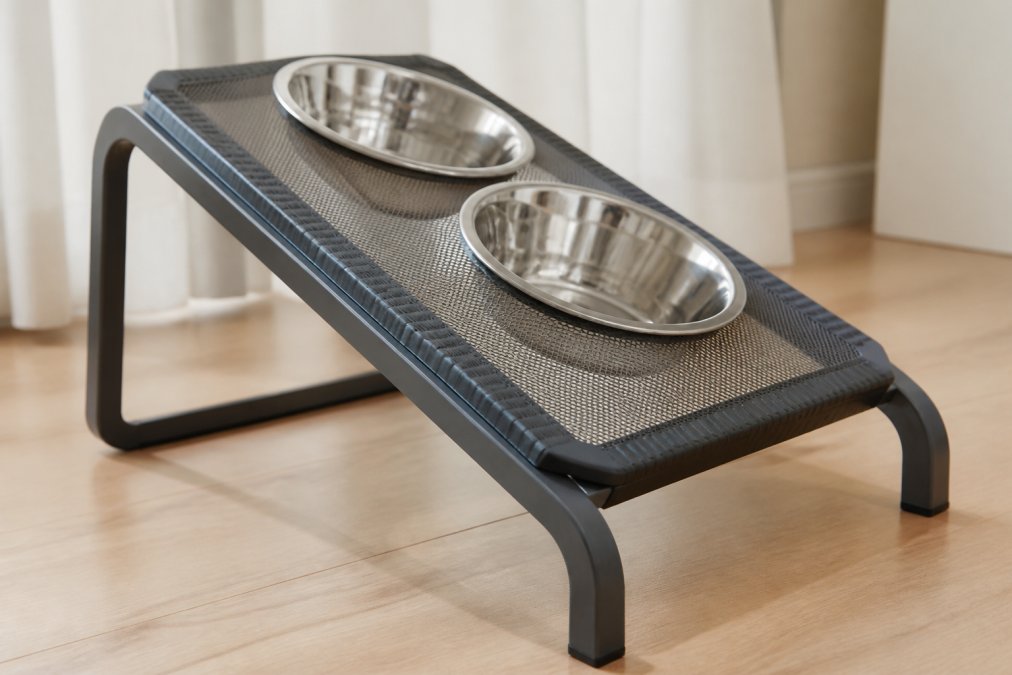
Tilted bowl designs offer additional benefit. A bowl angled at 15-20 degrees reduces the forward reach required, allowing dogs to eat with their head in a more natural position (aaha.org). Dogs with megaesophagus or swallowing difficulty benefit particularly from tilted designs, as gravity assists the food moving down the esophagus.
The orthopedic support extends beyond mealtime. Consistent relief during feeding reduces overall inflammation and allows dogs to move more freely throughout the day. Many owners notice their senior dogs become more active and playful after switching to elevated feeders, simply because eating no longer triggers pain responses.
For dogs with severe arthritis, pairing an elevated bowl with a supportive bed like the Proud Pet Shop Comfort Den XL creates a complete comfort ecosystem. The orthopedic foam in these beds supports joints between meals, while the elevated feeder eliminates pain during feeding.

Elevated Bowls and Bloat: Separating Fact From Fiction
The relationship between elevated dog bowls and bloat (gastric dilatation-volvulus, or GDV) has generated significant debate among pet owners. Many people believe that elevated bowls increase bloat risk, while others claim they prevent it. The truth is more nuanced than either extreme.
Research on this topic is limited and often contradictory. Some veterinarians suggest that elevated bowls may increase the risk of bloat in susceptible breeds by allowing air to enter the stomach more easily during rapid eating (avma.org). Others argue that the ergonomic benefits of elevated feeding reduce stress-related digestive issues that can contribute to bloat. The current veterinary consensus is that feeding height alone is not a primary risk factor for bloat.
What actually matters for bloat prevention is eating speed and meal timing. A dog that gulps food rapidly is at higher risk regardless of bowl height. This is where elevated bowls can genuinely help: they often naturally slow eating by requiring the dog to lift their head between bites, promoting more deliberate swallowing.
If your senior dog has a history of bloat or belongs to a breed predisposed to GDV (like Great Danes, German Shepherds, or Standard Poodles), consult your veterinarian before switching to an elevated feeder. For most senior dogs without bloat history, the orthopedic and digestive benefits of elevated bowls outweigh theoretical risks. The key is combining an elevated bowl with slow-feeder inserts and spacing meals appropriately throughout the day.
How to Slow Down Fast Eating Dogs With Proper Bowl Setup
Fast eating is a common problem in senior dogs, often leading to vomiting, gas, and digestive distress. Many owners assume their dogs eat quickly because they're hungry, but the real culprit is often poor feeding ergonomics combined with anxiety or competition behaviors.
An elevated dog bowl helps slow down fast eating dogs by changing the mechanics of consumption. When food is at chest height rather than on the ground, the dog must lift their head between bites, naturally creating pauses. This rhythm encourages slower, more methodical eating that allows the stomach to signal fullness before the dog overeats.
To maximize this effect, combine your elevated bowl with these strategies:
- Use a slow-feeder insert: Elevated bowls designed with ridges or maze patterns force dogs to work around obstacles, adding 5-10 minutes to meal duration
- Portion control: Divide daily food into 3-4 smaller meals rather than one or two large ones, reducing the volume consumed at once
- Spacing: Leave at least 30 minutes between eating and vigorous exercise to allow proper digestion
- Separate feeding zones: If you have multiple dogs, feed them in different areas to eliminate competition-driven speed eating
- Moistened kibble: Adding water or broth to dry food increases satiety signals without adding calories
The combination of height, slow-feeder design, and behavioral management can reduce eating speed and digestive upset.
Choosing the Right Height and Design for Your Senior Dog
The ideal height for an elevated dog bowl depends on your dog's size, breed, and specific health needs. Too low and you lose the ergonomic benefit; too high and you create neck strain in the opposite direction.
Height Guidelines by Dog Size:
| Dog Size | Ideal Bowl Height | Recommended Stand Type |
|---|---|---|
| Small (under 25 lbs) | 4-6 inches | Fixed or adjustable low stand |
| Medium (25-50 lbs) | 6-10 inches | Adjustable stand for growth/settling |
| Large (50-80 lbs) | 10-14 inches | Heavy-duty adjustable stand |
| Extra Large (over 80 lbs) | 12-16 inches | Commercial-grade elevated feeder |
The general rule is that the bowl should sit at approximately the height of your dog's elbows when they stand in a natural posture. This keeps their spine neutral and their front legs in a comfortable stance.
Design Considerations:
Tilted vs. Flat Bowls: Tilted bowls (15-20 degree angle) are superior for senior dogs with swallowing difficulty, megaesophagus, or gastroesophageal reflux. They use gravity to assist food movement down the esophagus and reduce the effort required to eat. Flat elevated bowls work well for dogs without these specific issues.
Adjustable vs. Fixed Height: Adjustable stands allow you to modify height as your dog's needs change or if you have multiple dogs of different sizes. Fixed-height stands are more stable but less versatile.
Anti-Slip Base: This is non-negotiable for senior dogs. A base with rubber feet or a wide, weighted design prevents the feeder from sliding during meals, which can startle anxious dogs and cause spilling.
Material Safety: Stainless steel bowls are preferable to plastic, which can harbor bacteria and may contain BPA. Ceramic bowls work well but are breakable. Always ensure the stand material is non-toxic and free from sharp edges.
For senior dogs needing comprehensive comfort support, the Proud Pet Shop CloudLift Bed pairs well with an elevated feeder. Both products elevate your dog off cold or damp surfaces, creating a complete orthopedic setup that supports mobility and comfort throughout the day.

Material Safety, Hygiene, and Maintenance
The materials used in your elevated dog bowl setup directly impact your senior dog's health and the longevity of the equipment. Poor material choices lead to bacterial growth, chemical exposure, and premature deterioration.
Bowl Materials:
Stainless steel is the gold standard for pet feeding bowls. It resists bacterial colonization, doesn't leach chemicals, and withstands years of daily use. Ceramic bowls are safe and attractive but prone to chipping, which creates sharp edges and harbors bacteria in small cracks. Plastic bowls are affordable but problematic: they scratch easily, absorb odors and stains, and can leach chemicals over time, particularly if exposed to hot water or sunlight.
Stand Materials:
Elevated feeders with metal stands (aluminum or steel) offer superior stability and durability compared to plastic or wood frames. Metal resists moisture, doesn't splinter, and maintains structural integrity even with heavy dogs. Wood stands look attractive but absorb moisture and can develop mold or mildew in humid environments. Plastic stands are lightweight but often wobble and degrade under UV exposure.
Hygiene Best Practices:
Wash bowls daily with hot, soapy water to remove food residue and bacteria. Stainless steel can go in the dishwasher; ceramic should be hand-washed to prevent chipping. Inspect the stand weekly for loose bolts, cracks, or signs of instability. Wipe down the stand with a damp cloth to remove dust and debris. If your dog eats outdoors, bring the feeder inside after each meal to prevent weather exposure and pest contamination.
For dogs with sensitive skin or digestive issues, material choice becomes even more critical. Switching from plastic to stainless steel bowls sometimes resolves chronic skin irritation or digestive upset, as it eliminates potential chemical exposure and reduces bacterial growth.
Signs Your Senior Dog Needs an Elevated Feeding Station
Not every senior dog requires an elevated bowl, but certain signs indicate that your dog would benefit significantly from one. Recognizing these signals early can improve your dog's quality of life and prevent progression of underlying conditions.
Physical Indicators:
- Neck or spine pain: Your dog yelps, hesitates, or shows reluctance when lowering their head to eat
- Arthritis symptoms: Stiffness in front legs, difficulty standing after meals, or visible joint swelling
- Swallowing difficulty: Coughing, gagging, or regurgitation during or immediately after eating
- Postural changes: Your dog eats with their head tilted to one side or stretches their neck unnaturally while feeding
- Mobility decline: Slower movement to the food bowl or reluctance to approach floor-level feeders
Behavioral Indicators:
- Reduced appetite: Your dog leaves food uneaten or eats smaller portions than usual (sometimes due to pain, not lack of hunger)
- Rapid eating: Your dog gulps food so quickly they vomit shortly after meals
- Meal-related anxiety: Pacing, whining, or distress around feeding time
- Avoidance: Your dog avoids their food bowl or eats in unusual positions
Health History Indicators:
- Diagnosed osteoarthritis or joint disease
- Previous spinal injury or cervical pain
- Megaesophagus or chronic regurgitation
- Chronic gastroesophageal reflux
- Bloat history (combined with slow-feeder design)
If your senior dog shows any combination of these signs, an elevated feeder is worth trying. Many owners report noticeable improvements within days of switching to elevated bowls. The Proud Pet Shop Waterproof Pet Sofa provides additional elevation throughout the day, complementing the benefits of an elevated feeder and creating a comprehensive comfort environment for aging dogs.

An elevated dog bowl is genuinely good for most senior dogs, particularly those dealing with arthritis, mobility issues, or digestive challenges. The ergonomic benefits of proper feeding height extend far beyond mealtime, improving your dog's overall comfort and quality of life. Start by assessing your senior dog's specific needs, joint pain, eating speed, swallowing difficulty, and choose a feeder height and design that addresses those issues. With the right setup from Proudpetshop, you'll see your senior dog eat with less strain, move more freely, and enjoy their golden years with greater comfort and confidence.
Frequently Asked Questions
Do vets recommend elevated dog bowls for senior dogs?
Many veterinarians recommend elevated dog bowls for senior dogs, particularly those with arthritis or cervical pain. Elevated feeding stations reduce neck strain and improve posture during meals. However, the recommendation depends on your dog's individual health status. Dogs with megaesophagus or swallowing difficulties may benefit from elevated bowls to aid esophageal motility. Always consult your veterinarian about whether an elevated bowl suits your senior dog's specific needs and existing health conditions.
What height should an elevated dog bowl be for a senior dog?
The ideal height depends on your dog's size and breed. As a general rule, the bowl should be at elbow height or slightly higher when your dog stands in a natural posture. For most senior dogs, heights between 4 and 12 inches work well. Larger breeds (70+ lbs) typically need 10-12 inches, while small breeds need 4-6 inches. If your dog has arthritis or cervical pain, start with a height that allows relaxed neck alignment without excessive bending. You may need to adjust as your dog's mobility changes.
Can elevated bowls cause bloat in dogs?
The relationship between elevated bowls and gastric dilatation-volvulus (bloat) is debated. Some research suggests elevated feeding may increase bloat risk in deep-chested breeds, while other studies show no significant correlation. Bloat risk is influenced more by eating speed, meal size, and genetics than bowl height alone. To reduce bloat risk, use slow-feeder inserts, feed smaller portions multiple times daily, and avoid vigorous exercise immediately after meals. Consult your veterinarian about the best feeding approach for your dog's breed and health profile.
Are tilted bowls better than flat elevated bowls for senior dogs?
Tilted bowls offer ergonomic advantages for senior dogs by promoting better neck alignment and reducing strain on joints. The angled design encourages a more natural eating posture, which can ease arthritis symptoms and improve comfort during meals. Flat elevated bowls still provide height benefits but may require more neck flexion. For dogs with significant musculoskeletal issues or chronic pain, tilted designs often provide superior comfort. Choose based on your dog's posture preferences and any existing joint or spinal concerns.
This article was written using GrandRanker