
Table of Contents
- Shipping Rates and Thresholds: Where the Real Savings Start
- How to Bundle Pet Gear Orders to Save Money on Every Shipment
- Tips for Reducing Shipping Fees on Heavy Pet Items Like Carriers and Beds
- Delivery Timeframes, Cut-off Times, and Order Tracking
- Return Policies and Restocking Fees: The Hidden Shipping Costs
- Autoship and Subscription Discounts That Offset Delivery Fees
- Best Online Pet Supply Stores with Free Shipping: What to Compare
- Your Plan for Lower Pet Gear Shipping Costs
- Frequently Asked Questions
Last Updated: September 9, 2026
Shipping fees often eat up 15-20% of an online pet supply order, and more for heavy items like carriers and beds (statista.com). Most pet owners overpay simply because they do not know the rules carriers and retailers use to calculate fees. Below, we show you how to cut those costs, often by 30% or more per order.
Carriers follow predictable formulas based on weight, dimensions, distance, and speed. This guide breaks down seven practical strategies, from bundling orders to timing purchases around free shipping thresholds, that work regardless of which online store you use.
Shipping Rates and Thresholds: Where the Real Savings Start
The single biggest lever in pet gear shipping cost savings is the free shipping threshold. Most online retailers set a minimum order subtotal, typically between $25 and $75, before waiving delivery fees. Orders below that threshold carry a flat rate or weight-based charge that can add $8 to $15 to your total.

Before you buy anything, check the store's shipping policy page. Look for three numbers: the threshold amount, whether it applies to the subtotal before or after discounts, and whether oversized items like large carriers are excluded. Some stores quietly exempt bulky items from free shipping promotions.
Consolidate purchases until you cross the threshold. Instead of ordering a $30 toy now and a $25 bed next week, wait and place one $55 order. That single habit eliminates two separate delivery fees. Many stores offer free shipping on orders over $50.
How to Bundle Pet Gear Orders to Save Money on Every Shipment
Bundling is the most direct way to reduce how much you pay per item in shipping fees. Carriers charge based on total package weight and dimensions, not per item, so shipping five items together in one box almost always costs less than shipping them separately.
Maintain a running list of needed supplies and place orders on a schedule rather than buying impulsively. If you know your dog needs a new bed and you are running low on waste bags, wait and order them together. Most pet gear does not spoil, so there is little downside to waiting a week.
Bundling also applies within a single product category. If you are buying a carrier backpack, consider adding matching accessories like a safety leash or removable pad in the same transaction. The shipping cost stays nearly identical, but you receive more value per dollar spent on delivery.
| Strategy | How It Works | Typical Savings |
|---|---|---|
| Hit free shipping threshold | Consolidate orders to cross the minimum subtotal | Eliminates 100% of delivery fee |
| Bundle multiple items | Ship items together in one box | Reduces per-item shipping cost |
| Add small fillers | Add low-cost items to reach threshold | Costs less than the avoided fee |
| Use autoship | Schedule recurring deliveries for discounts | Often includes free shipping |
Tips for Reducing Shipping Fees on Heavy Pet Items Like Carriers and Beds
Heavy items present a unique challenge because carriers charge extra for packages over a certain weight, and dimensional weight pricing penalizes large boxes even when they are light. The most effective lever you control is how the item is packaged before it hits the carrier's scale.
How Dimensional Weight Actually Works
Carriers like UPS and FedEx apply dimensional weight (DIM weight) pricing to any package larger than one cubic foot. The formula is standard across the industry: multiply length by width by height in inches, then divide by a dimensional factor, 139 for domestic ground shipments. The carrier charges you for whichever is greater: the actual weight or the DIM weight.
Consider a large dog carrier box that measures 30 x 20 x 20 inches. That is 12,000 cubic inches. Divided by 139, the DIM weight is 86 pounds. If the carrier itself only weighs 15 pounds, you are paying for an 86-pound package. That is the hidden math behind why some heavy pet items carry freight surcharges that seem absurd relative to the product's actual weight.

The DIY Packaging Optimization Playbook
Most retailers ship items in the manufacturer's original box, which is often oversized. When you order heavy pet gear, you can frequently reduce the DIM weight by repackaging the item yourself before handing it to a carrier for a return, a reshipment, or a private sale.
Here is the practical process:
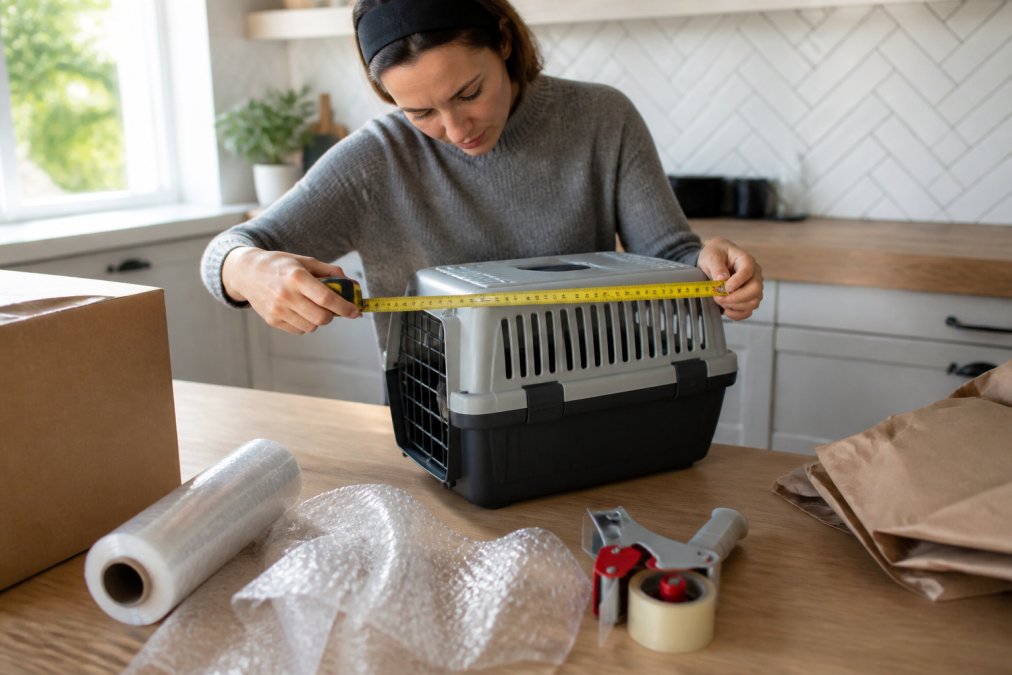
- Measure the item, not the box. Remove the carrier or bed from its retail packaging and measure the item's actual compressed dimensions. Many fabric carriers and foldable beds compress significantly.
- Source a smaller box. Use a box that fits the item snugly with no more than 2 inches of void space on any side. A 30 x 20 x 20 box can often be reduced to 24 x 16 x 12, which drops the DIM weight from 86 pounds to 33 pounds.
- Use vacuum-seal bags for soft goods. For fabric carriers, beds, and blankets, vacuum compression bags can reduce volume by up to 50%. A bed that ships in a 24 x 18 x 10 box can compress into a 20 x 14 x 6 box, cutting DIM weight by more than half.
- Remove excess packing material. Retail boxes often contain foam inserts, cardboard dividers, and plastic spacers that add nothing to the item's protection once it is in a snug box. Replace them with lightweight kraft paper or air pillows.
- Weigh and measure before you ship. Use a household scale and a tape measure to confirm both actual weight and DIM weight. If the DIM weight still exceeds the actual weight by a wide margin, look for an even smaller box.
When Repackaging Is Not an Option
Some items, wire crates, hard-sided carriers, and heavy wooden beds, cannot be compressed. For these, choose retailers that use flat-rate or threshold-based pricing rather than live carrier rates, as they often come out cheaper for heavy goods.
Also look for items that ship compressed or folded. Many elevated beds and fabric carriers pack down into small boxes, keeping dimensional weight low. If one product ships flat and another ships assembled, the flat-shipping option will almost always cost less.
The Residential vs. Commercial Delivery Surcharge
A frequently overlooked cost on heavy pet gear is the residential delivery surcharge. UPS and FedEx add a fee, typically $5 to $8 per package, when delivering to a residential rather than commercial address (fedex.com). If you have a commercial address on file, you may be able to have packages delivered there instead. Some retailers also offer free residential delivery as part of threshold promotions, so verify which delivery type the free shipping offer covers.
Delivery Timeframes, Cut-off Times, and Order Tracking
Delivery speed directly influences cost. Standard ground shipping is the cheapest option, but it typically takes 3 to 7 business days. Expedited options can double or triple the shipping cost, so reserve them for genuine emergencies. The calendar matters more than most shoppers realize, carriers adjust pricing around seasonal peaks.
Seasonal Shipping Surcharges: When to Buy and When to Wait
UPS, FedEx, and the U.S. Postal Service all impose temporary peak surcharges during the holiday window, typically from late October through early January (usps.com). These surcharges range from $1.50 to $8.00 per ground package, with higher fees for oversized or heavy packages. For a large dog carrier or a 40-pound bag of food, the peak surcharge alone can add $10 or more.
Plan heavy pet gear purchases for September or early October to avoid the peak surcharge window entirely. Ordering in November means paying the surcharge, but ordering in late January means waiting a full season for the price to drop.
Carriers also suspend their delivery guarantees during peak periods, so a package that arrives two days late does not qualify for a shipping refund. If you are ordering time-sensitive gear, build in a buffer of at least 3-4 business days beyond the quoted estimate during November and December.
Off-Peak Delivery Windows and Midweek Ordering
Most carriers process packages Monday through Friday, but not all days are equal. Packages shipped on Monday and Tuesday move faster because they avoid the weekend backlog. A package shipped on Friday may sit in a sort facility until Monday.
Order processing cut-off times matter more than most shoppers realize. If a store's cut-off is 2:00 PM and you order at 3:00 PM, your package will not ship until the next business day. Place orders early in the day, ideally before noon, to maximize the chance of same-day processing.
Carrier Selection: What the Retailer Does Not Tell You
Most retailers use a single carrier or a small set of carriers, but some let you choose at checkout. When you have a choice, the differences matter:
- UPS Ground and FedEx Ground are generally comparable in price and speed for pet gear. Both use dimensional weight pricing, so the packaging tips in the previous section apply equally.
- USPS Priority Mail uses flat-rate boxes for some items, which can be cheaper for heavy but compact items like a 30-pound bag of food that fits in a flat-rate box.
- Regional carriers like OnTrac or LaserShip are sometimes used by larger retailers for west coast deliveries. They are often cheaper and faster for regional shipments, but their tracking updates can be less frequent.
Retailers default to the carrier with which they have the best negotiated rate, not necessarily the one that delivers fastest to your zip code. If delivery speed matters, check the retailer's shipping options page before checkout to see if a faster carrier is available.
Order Tracking: What to Watch For
Order tracking is standard, but quality varies. Look for stores that provide tracking numbers with carrier updates, not just a generic confirmation email. Reliable tracking lets you plan for delivery and avoid missed packages.
For oversized pet gear like crates and large carriers, carriers often require a signature or schedule a delivery appointment. If you miss the first attempt, the carrier may hold the package at a local facility. Sign up for carrier alerts via text or email so you know when the package is out for delivery.
Return Policies and Restocking Fees: The Hidden Shipping Costs
Return shipping is where pet gear shipping cost savings plans often fall apart. Many stores charge you for return shipping, deducting the cost from your refund. Some also impose restocking fees, typically 10-20% of the item price, on opened or used products.
Before ordering, read the return policy with specific attention to who pays for return shipping and whether restocking fees apply. The best policies cover the cost of returns without restocking penalties.
Measure your pet and your vehicle before ordering a carrier or car seat cover. Accurate measurements reduce the likelihood of returns, which saves you both the return shipping cost and the time spent repackaging the item.
Autoship and Subscription Discounts That Offset Delivery Fees
Subscription programs offer a reliable way to offset delivery costs on recurring supplies. Many online pet stores provide autoship options that deliver food, waste bags, and grooming supplies on a regular schedule. In exchange for committing to recurring orders, stores often discount the product price and waive shipping fees entirely.
The math works best for consumables you know you will need. If you go through a bag of treats every three weeks, setting up an autoship for that interval guarantees you never pay an emergency delivery fee. Some programs let you adjust delivery frequency or skip a shipment.
Best Online Pet Supply Stores with Free Shipping: What to Compare
Comparing stores on shipping terms requires looking beyond the headline "free shipping" claim. The best online pet supply stores with free shipping differ in thresholds, exclusions, and delivery speeds. A store offering free shipping on all orders might have higher product prices to compensate.
Build a simple comparison across three factors: the free shipping threshold, the average delivery time, and the return policy. A store with a $75 threshold but fast delivery might cost you more than a store with a $50 threshold and standard delivery if you only order small quantities.
For heavy or bulky items, prioritize stores that include them in free shipping promotions. Many retailers exclude large beds, crates, and carriers, which means your "free shipping" order suddenly carries a freight fee.
Your Plan for Lower Pet Gear Shipping Costs
Lowering your shipping costs requires a shift from impulse buying to planned purchasing. Identify which supplies you use regularly and which heavy items you need in the coming months. Group those purchases into fewer, larger orders that cross free shipping thresholds.
Apply the strategies from this guide consistently: bundle orders, add small fillers to reach thresholds, use subscriptions for consumables, and verify return policies before buying. Over time, these habits reduce both delivery fees and the hidden costs of returns and restocking charges. Products like the Proud Pet Shop TrailFold Carrier and the CloudLift Bed ship within standard size guidelines, helping you avoid oversized surcharges while getting durable gear that lasts.
Frequently Asked Questions
Are there specific times of year to buy pet gear to save on shipping?
Yes. Major sales events like Prime Day, Black Friday, and Cyber Monday often include free shipping sitewide or waived thresholds. Many online pet supply stores also offer free shipping promotions during slower sales months to move inventory. Signing up for email newsletters gives you early access to these offers. For heavy items like elevated dog beds, waiting for a free shipping event can save $15 to $30 compared to standard delivery fees.
How do subscription services help reduce pet supply shipping costs?
Autoship programs bundle recurring deliveries into one shipment, so you pay a single delivery fee instead of multiple ones. Most services apply a 5% to 10% discount on the order subtotal, which helps offset the shipping cost. If you use the same consumables monthly, like treats or grooming supplies, consolidating them into one scheduled delivery with your gear order reduces the total number of packages and the fees attached to each one.
Do online pet stores offer flat-rate shipping for heavy items?
Some do, but it is less common than free shipping thresholds. Flat-rate shipping typically applies to specific oversized items like carriers or dog beds, where the fee is set regardless of your distance from the warehouse. Always compare the flat rate against the standard calculated rate at checkout. For example, a $14.99 flat rate on a large carrier beats a $25 calculated fee, but loses to a free shipping threshold you can reach by adding a smaller accessory.
What should I look for in a pet brand's shipping policy?
Check four things before you order. First, the subtotal needed for free shipping and whether it is based on the pre-discount price. Second, the order processing cut-off time for same-day dispatch, which affects how fast your pet gear actually arrives. Third, whether the policy covers return shipping costs or charges a restocking fee. Fourth, confirmation that the carrier delivers to residential addresses without added surcharges for your area.
Shipping costs are the hidden tax on every online pet supply order, but they are largely avoidable with the right approach. Proudpetshop makes this easier with free shipping on orders over $50, a 30-day satisfaction guarantee that covers returns, and fast tracked shipping on every purchase. Get started with Proudpetshop and keep more of your budget where it belongs: on quality gear for your pet.