
Table of Contents
- What Free Shipping Really Costs You (and What It Saves)
- How Shipping Thresholds for Pet Supplies Compare
- Why Free Shipping Is Worth It Only With the Right Products
- The Real Value of Premium Pet Gear Beyond the Price Tag
- How Retailers Offset the Cost of Free Shipping
- Why a Hassle-Free Returns Policy Matters More Than Shipping Fees
- The Bottom Line: When to Pay for Shipping and When to Wait
- Frequently Asked Questions
Last Updated: September 9, 2026
Free shipping is the single most powerful psychological trigger in online retail, yet it often costs more than the shipping fee it replaces. For pet owners buying heavy bags of food, bulky carriers, or delicate gear, the question of whether free shipping worth it is depends entirely on what you are buying and from whom. For pet owners buying heavy bags of food, bulky carriers, or delicate gear, the question of whether free shipping worth it is depends entirely on what you are buying and from whom.
The honest answer is that free shipping worth it is only when the products themselves justify the purchase. A low-quality toy that arrives free but falls apart in a week is never a bargain. Conversely, a durable carrier that lasts years is worth paying shipping on if the retailer does not offer free delivery. Below, we break down the math, the thresholds, and the hidden factors that decide whether you should wait, pay, or buy elsewhere.
What Free Shipping Really Costs You (and What It Saves)
Free shipping is rarely free. Retailers embed the cost of delivery into product prices, raise minimum order thresholds, or quietly reduce discount codes to protect their margins. A 2026 consumer survey on shipping expectations found that shipping costs remain the top reason shoppers abandon carts, which is why so many stores advertise free delivery so aggressively.
What free shipping actually saves you is straightforward: the posted delivery fee, which typically ranges from five to fifteen dollars depending on package weight and distance. What it costs you is flexibility. You may buy more than you need to hit a threshold, wait longer for slower transit, or pass up a better product from a store that charges for delivery.
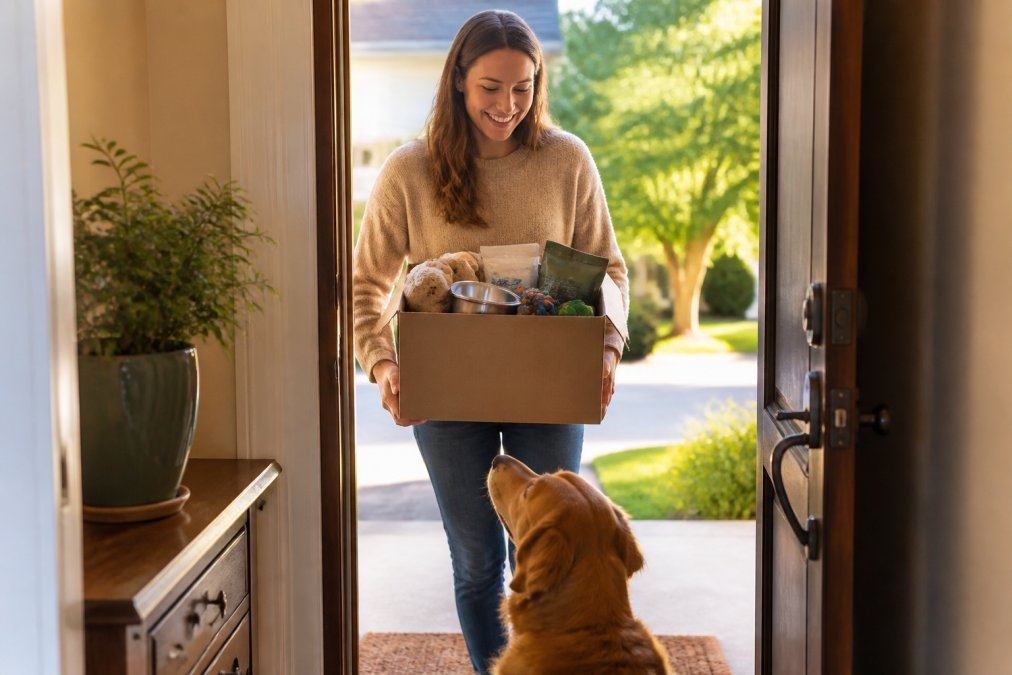
How Shipping Thresholds for Pet Supplies Compare
Most retailers set a free shipping threshold between $25 and $75, but the number alone doesn't tell you if the deal is worth it. The real comparison requires looking at three factors together: the threshold, the shipping speed, and the return policy. A low threshold with slow, week-long transit is often a worse deal than a higher threshold with guaranteed two-day delivery.
To make the choice concrete, here is how the major models stack up across the categories that matter for pet owners:
| Retailer Model | Free Shipping Threshold | Typical Transit Time | Return Shipping Cost | Best For |
|---|---|---|---|---|
| Big-box pet supply chain | $49 | 3-5 business days | Free for most items | One-stop shopping for food, litter, and accessories |
| Subscription-first pet food brand | None (membership required) | 2-3 business days | Free | Recurring food and treat orders |
| Premium gear specialist | $75 | 2-4 business days | Free with 30-day guarantee | High-ticket carriers, beds, and sling bags |
| Discount online marketplace | $35 | 5-7 business days | Paid by buyer | Budget consumables and non-urgent items |
This table reveals a key insight most articles miss: the threshold is only one variable. For a single premium item like a $90 carrier backpack, a $75 threshold is irrelevant, you cross it with one purchase. For a $12 bag of treats, a $35 threshold forces you to add items you don't need. The question isn't "is the threshold reasonable?" but "does the threshold match my typical order size?"
A common pattern is that retailers set thresholds just above the average price of their most popular single item. This nudges you toward adding a second product. Before you add that extra toy to cross the line, calculate whether you'd rather just pay the $6 shipping fee. In most cases, paying for shipping on a single, well-chosen item beats buying a second item you didn't plan for.
Why Free Shipping Is Worth It Only With the Right Products
Free shipping is worth it when the product you are buying is durable, tested, and built to last. A well-made pet bed that survives three years of washing delivers far more value than the six dollars you saved on delivery. The same logic applies to carriers, harnesses, and feeding bowls: the product's lifespan, not the shipping fee, determines the true cost per use.
The reverse is also true. Free shipping on a flimsy toy that your dog destroys in twenty minutes is a net loss. You paid for the toy, you paid for the shipping indirectly through the product price, and you will pay again for a replacement. This is why free shipping is worth it only with the right products, which is precisely why premium retailers focus on quality over shipping gimmicks.
The Real Value of Premium Pet Gear Beyond the Price Tag
Premium pet gear justifies its price through materials, construction, and testing that budget alternatives skip. But "premium" is a vague label. The real value shows up in specific use cases where cheap gear fails, and those cases are where you should be willing to pay for shipping or meet a higher threshold.
For senior pets with mobility issues, the difference is measurable. A standard flat bed offers no support for arthritic joints. An orthopedic bed with memory foam and a washable, waterproof liner costs roughly three times more, but it reduces the need for frequent replacements and can ease pressure points that affect sleep quality. The same logic applies to ramps and stairs: a $40 collapsible ramp with a non-slip surface and a weight rating of 150 pounds is a safety device, not a luxury. A $15 foam step that slides on hardwood floors is a fall risk.
For active dogs in training, the gear comparison is about function, not comfort. A standard nylon harness distributes pressure across the chest but can chafe during long runs. A performance harness with padded, breathable mesh and a front clip for steering costs more but prevents pulling injuries and gives the handler control. Similarly, a basic 6-foot leash works for walks, but a hands-free waist leash with a shock-absorbing bungee section is a different product entirely for trail running, it prevents sudden jerks that can injure both dog and owner.
For travel and transport, the premium difference is safety-rated. A soft-sided carrier that meets airline cabin requirements uses reinforced seams and a structured base to prevent collapse (faa.gov). A budget carrier may look identical in photos but lacks the internal frame that keeps your pet secure during turbulence or sudden stops. When you compare a $45 carrier that fails after two flights against a $120 carrier that meets airline specifications and lasts for years, the cost-per-use math favors the premium option within a year.
The pattern across all these categories is the same: premium gear solves a specific problem that budget alternatives ignore. The question isn't whether premium is "worth it" in the abstract. It's whether you have the specific need, senior mobility support, performance training, or frequent travel, that the premium product was designed to address. If you do, the shipping fee is irrelevant. If you don't, the premium product is wasted money regardless of how it ships.
How Retailers Offset the Cost of Free Shipping
Retailers use several strategies to absorb delivery costs without eating their margins. The most common is raising the average order value through threshold minimums, which is why you see so many "$50 for free shipping" offers. Others build shipping into retail prices, meaning every customer pays for delivery whether they hit the threshold or not.
Some stores offset costs through operational efficiency. Faster warehouse processing, optimized packaging, and negotiated carrier rates all reduce per-order delivery expenses. Retailers that ship quickly and reliably can offer free delivery at lower thresholds because their logistics costs are lower. A 2025 logistics report on e-commerce fulfillment notes that efficient fulfillment operations are the key to sustainable free shipping offers.
Why a Hassle-Free Returns Policy Matters More Than Shipping Fees
A hassle-free returns policy protects your purchase long after the shipping fee is forgotten. When you buy a pet carrier or bed online, you cannot test it for fit, comfort, or durability before purchase. A 30-day satisfaction guarantee gives you the confidence to try a product knowing you can send it back if it does not work.
This matters more than free shipping because returns cost you money when they go wrong. If a retailer charges restocking fees or makes you pay return shipping, a failed purchase can cost you more than the original delivery fee. A straightforward returns policy with no hidden catches is the safety net that makes any online pet supply purchase worthwhile.
The Bottom Line: When to Pay for Shipping and When to Wait
Pay for shipping when you have found a premium, durable product that solves a specific problem for your pet. The delivery fee is a small fraction of the product's lifetime value. Wait for free shipping when you are buying consumables like food, treats, or litter that you will need regularly regardless of brand.
For premium pet gear, the decision is clear. A 30-day satisfaction guarantee and fast tracked shipping matter more than chasing a free shipping threshold. For premium pet gear, the decision is clear. A 30-day satisfaction guarantee and fast tracked shipping matter more than chasing a free shipping threshold. The real value lies in durable, tested products that arrive at your door, backed by a guarantee that protects your purchase.
Frequently Asked Questions
Does free shipping influence pet supply purchasing decisions?
Yes, free shipping is a major factor for most pet owners. When comparing online stores, the presence of free shipping often outweighs a slightly lower product price on a competitor's site. This is because shipping fees can add $8 to $15 to an order, which changes the total cost. Shoppers also perceive free shipping as better value, making them more likely to complete a purchase and return for future orders.
How can I tell if a pet store's free shipping threshold is reasonable?
A reasonable threshold should align with what you typically spend on pet supplies in a single order. If you regularly buy food, treats, and gear together, a threshold around $50 is easy to meet. However, if a threshold forces you to buy items you don't need just to qualify, it may not save you money. Compare the threshold to your average cart size to see if it makes sense for your household.
Do pet stores raise product prices to cover free shipping?
Some retailers do build the cost of shipping into their product prices, which is why comparing total cost matters. A store offering free shipping with no minimum might have higher per-item prices. Others, like Proud Pet Shop, use a threshold model and keep prices transparent. Always compare the final price of identical items, including shipping, to see which store offers the better deal.
Is free shipping worth it if I have to spend more to get it?
It depends on whether the extra items are things you need. If you are close to the threshold, adding a bag of treats or a grooming accessory you will use soon is a smart way to save on delivery costs. If you are adding items just to qualify, you are spending more than you planned. Calculate the shipping fee versus the cost of the extra item to decide if it is worth it.
Free shipping is a useful perk, not a substitute for product quality. The best approach is to focus on what your pet actually needs, choose gear built to last, and treat the shipping fee as a minor factor in a much larger decision. Get started with Proudpetshop and find premium essentials for pets that come with free shipping over fifty dollars, a 30-day satisfaction guarantee, and the confidence that your purchase is protected.